
This site contains affiliate links, view the disclaimer page for more information.
Before I switched to drinking matcha tea, my daily routine revolved around coffee. My mornings always started with a cup, and by late morning or early afternoon, I was reaching for another to push through the rest of the day. At first, it seemed like the perfect solution, until I started noticing the side effects.
The second cup, though comforting, often left me feeling jittery, on edge, and strangely more tired after an hour or two. My heart would race, my hands would feel unsteady, and by mid-afternoon, I’d hit a wall of exhaustion that made me want to nap rather than be productive. That’s when I started looking for an alternative and stumbled upon matcha.
I’ll be honest, I was skeptical at first. Could anything really replace my beloved afternoon coffee? But after giving matcha a try, I quickly realized that not only did it provide the energy boost I was craving, but it did so without the crashes, anxiety, or afternoon slumps. In fact, since swapping my second cup of coffee for matcha, I’ve experienced:
- More sustained energy throughout the afternoon
- A calmer, more focused mind
- Reduced anxiety and fewer caffeine-induced jitters
- Fewer headaches and improved hydration
- A stronger immune system, I rarely get sick anymore!
Let’s dive into why matcha has made such a difference and how you can incorporate it into your routine.
Table of Contents
What Is Matcha?
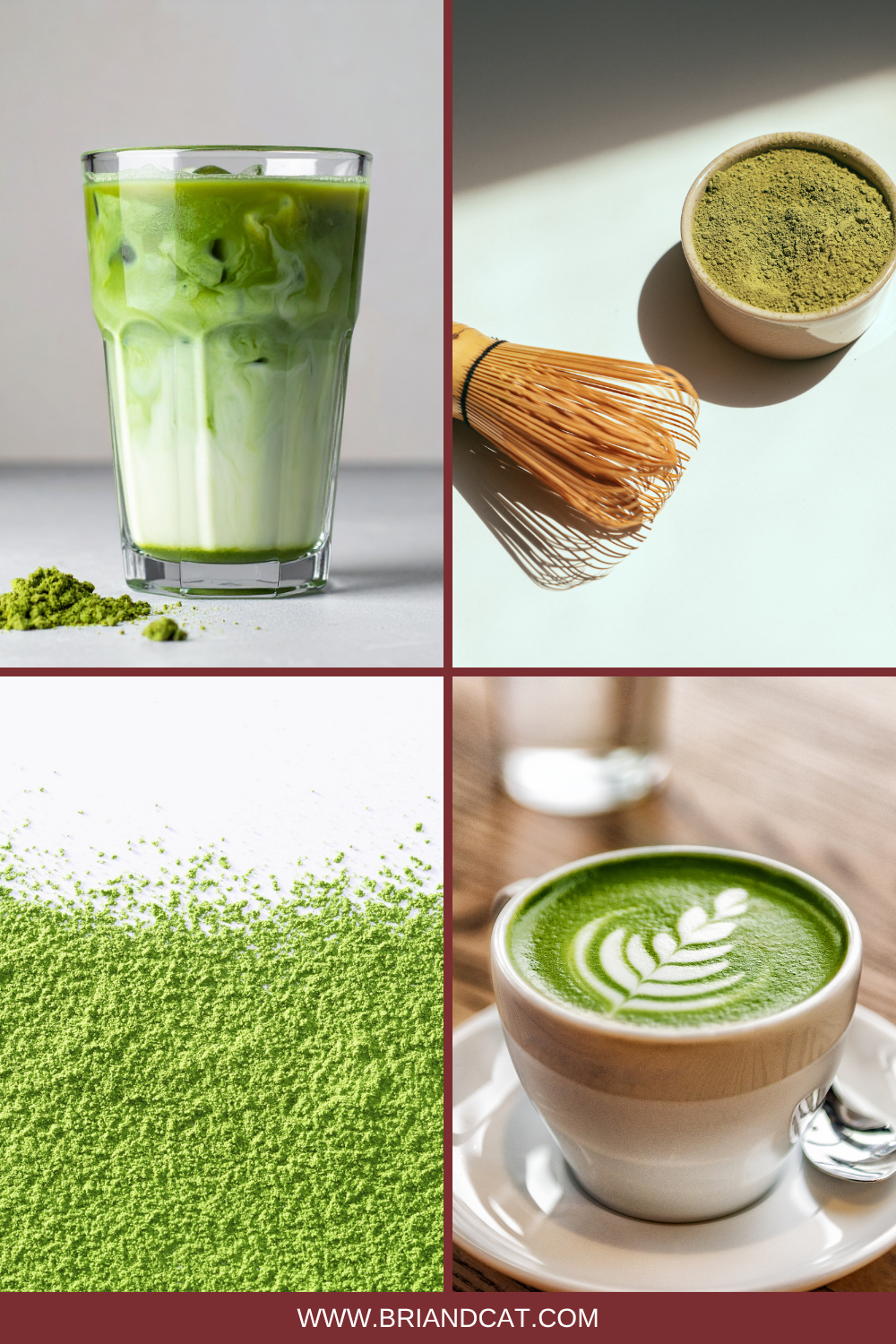
Matcha is a finely ground green tea powder made from specially grown tea leaves. Unlike traditional green tea, where you steep the leaves and discard them, matcha allows you to consume the entire leaf, making it much more nutrient-dense.
It has a vibrant green color, a slightly earthy, umami flavor, and a unique combination of natural compounds that work together to provide a balanced and sustained energy boost.
The Health Benefits I’ve Noticed Since Switching to Matcha Tea

1. Smoother Energy Without the Jitters or Crash
One of the first things I noticed was how different matcha’s energy felt compared to coffee. Instead of an immediate jolt followed by a sudden dip, matcha gives me a steady, sustained boost that lasts for hours.
This is thanks to L-theanine, an amino acid that naturally occurs in matcha. It works by slowing the release of caffeine into the bloodstream, meaning I get a gentle lift without the nervous energy or heart-racing feeling that coffee sometimes caused.
Before switching, I would often feel wired but tired, restless yet drained. Now, my afternoons feel productive and focused, without the caffeine rollercoaster.
2. Increased Focus and Mental Clarity
My biggest struggle with coffee was that while it gave me energy, it sometimes made my thoughts race or left me feeling scatterbrained. With matcha, I’ve noticed that my focus is sharper, and I feel more present in whatever I’m doing.
L-theanine also helps improve concentration and cognitive function, making it easier to power through tasks without distractions. Now, when I sip on matcha in the afternoon, I can tackle my to-do list with a clearer mind and fewer mental roadblocks.
3. Less Anxiety, More Calm
Coffee was a double-edged sword for me, I loved the energy, but I hated how it made me feel anxious, especially when I was already stressed. I’d find myself feeling jumpy, overthinking everything, and even experiencing a mild sense of dread after my second cup.
Matcha, on the other hand, has been a game-changer. The L-theanine promotes a sense of calm without making me sleepy, which has helped me feel more in control of my emotions. Instead of fueling my stress, matcha actually helps me manage it better.
4. Fewer Headaches and Better Hydration
One unexpected benefit? Fewer headaches.
I used to get frequent afternoon headaches, which I initially blamed on work stress or lack of sleep. But after switching to matcha, they became noticeably less frequent. It turns out that coffee is a mild diuretic, meaning it can dehydrate you faster. I was unknowingly losing more water than I was replenishing.
Matcha, on the other hand, keeps me hydrated while still giving me an energy boost. As a result, I feel more refreshed, and my body feels more balanced throughout the day.
5. Stronger Immune System, Goodbye, Constant Colds!
I don’t know if it’s just luck, but ever since I started drinking matcha regularly, I barely get sick. I used to catch a cold every couple of months, especially in the winter, but that’s no longer the case.
Matcha is packed with antioxidants, particularly catechins, which are known for their immune-boosting properties. I genuinely believe that this has played a role in keeping me healthier, especially during flu season.

How I Make Matcha Part of My Daily Routine
Incorporating matcha into my routine has been simple, and I’ve come to love the ritual of preparing it. Here’s how I make my daily matcha:
- Start with high-quality matcha – The quality of matcha makes a huge difference in taste and benefits. I always go for ceremonial-grade matcha for the best flavor and nutrients. This is my favorite Matcha.
- I use 1/4 teaspoon of matcha powder (follow your matcha container instructions)– I sift it into a bowl to remove any clumps.
- Add hot (not boiling) water – I use about 2-3 ounces of water at 175°F.
- Whisk until frothy – Using a bamboo whisk, I mix until a smooth, foamy layer forms. You can also use a milk frother for this.
- Customize it – Some days, I enjoy it as is; other times, I add a lemon, or a splash of almond milk for a creamy matcha latte.
Want to go all in- Get a complete matcha set with a bowl, bamboo whisk and strainer
The best part? The entire process feels meditative, almost like a mini mindfulness break in my day.
Curious to try matcha?
Here are five of the best matcha powders available on Amazon (and comparable online retailers), spanning ceremony-grade classics to everyday favorites, based on expert reviews, sales popularity, and user feedback. I’ve included a comparison table and a curated product carousel for easy browsing and purchasing.
| Matcha Brand | Naoki Matcha First Spring | Jade Leaf Organic | Encha Ceremonial | Aiya Ceremonial | Matcha & CO Premium |
|---|---|---|---|---|---|
| Grade | Ceremonial (first harvest) | Culinary / entry ceremonial | Ceremonial, organic | Ceremonial | Ceremonial, organic |
| Origin | Uji, Kyoto (Japan) | Uji and Kagoshima Japan | Uji, Japan | Nishio, Japan | Uji, Japan |
| Price Range | ~$24/40 g | ~$19 /30g | ~$22/30 g | ~$16/30 g | ~$25/30 g |
| Flavor & Use | Smooth, balanced – best overall | Sweet, crisp- ideal for everyday use and lattes | Smooth, earthy, pure – top organic choice | Rich, creamy traditional flavor | Well-rounded ceremonial experience |
| Pros | Top-tier ceremonial, strong reviews, Amazon bestseller | Excellent value, high user praise | Certified organic, smooth for sipping or lattes | Authentic taste with creamy finish | 100% organic, high ratings |
| Cons | Pricier per gram | Culinary grade may lack ceremonial pop | Slightly higher cost | Less widely reviewed | Smaller brand awareness |
Highlights
- Naoki Matcha First Spring is consistently Amazon’s top-selling ceremonial matcha, praised by reviewers and chefs for its smooth, balanced flavor from Uji’s first harvest.
- Jade Leaf Organic offers a highly affordable culinary-grade matcha that does surprisingly well in both lattes and plain drinks. (This is the one I use)
- Encha Ceremonial is USDA organic and Uji‑sourced, recognized by nutrition experts as a top choice with smooth, sweet, earthy tones
- Aiya Ceremonial, from Japan, is known for its vibrant color and creamy mouthfeel, giving a genuine Uji matcha experience.
- Matcha & CO Premium combines high-quality, organic ceremonial matcha from Kyoto with excellent user ratings.
Tips for Choosing Matcha
- Pick your grade: Ceremonial is ideal for drinking, while culinary (e.g., Jade Leaf) is great for recipes.
- Look for vibrant green color: Bright green means better flavor and freshness.
- Check the origin: Uji/Kyoto sourcing is a reliable indicator of quality.
- Use quickly & store well: Opened matcha should be used within ~3 months and kept airtight in a cool, dark place.
The Final Verdict: Is Matcha Worth the Hype?

For me, absolutely. Switching from an afternoon coffee to matcha has transformed my energy levels, focus, and overall well-being. I no longer deal with post-caffeine crashes, restless anxiety, or mid-afternoon sluggishness. Instead, I feel balanced, alert, and calm.
If you’ve been thinking about cutting back on coffee but still want a boost, I highly recommend giving matcha a try. Start with just one cup in the afternoon and see how your body responds. You might be surprised at how much better you feel!
Have you tried matcha before? Let me know in the comments, I’d love to hear about your experience!
With love,
Bri & Cat
Affiliate Disclaimer:
As an Amazon Associate I earn from qualifying purchases. This comes at no additional cost to you. We only recommend products that we believe will add value to our readers.
Leave a Reply