
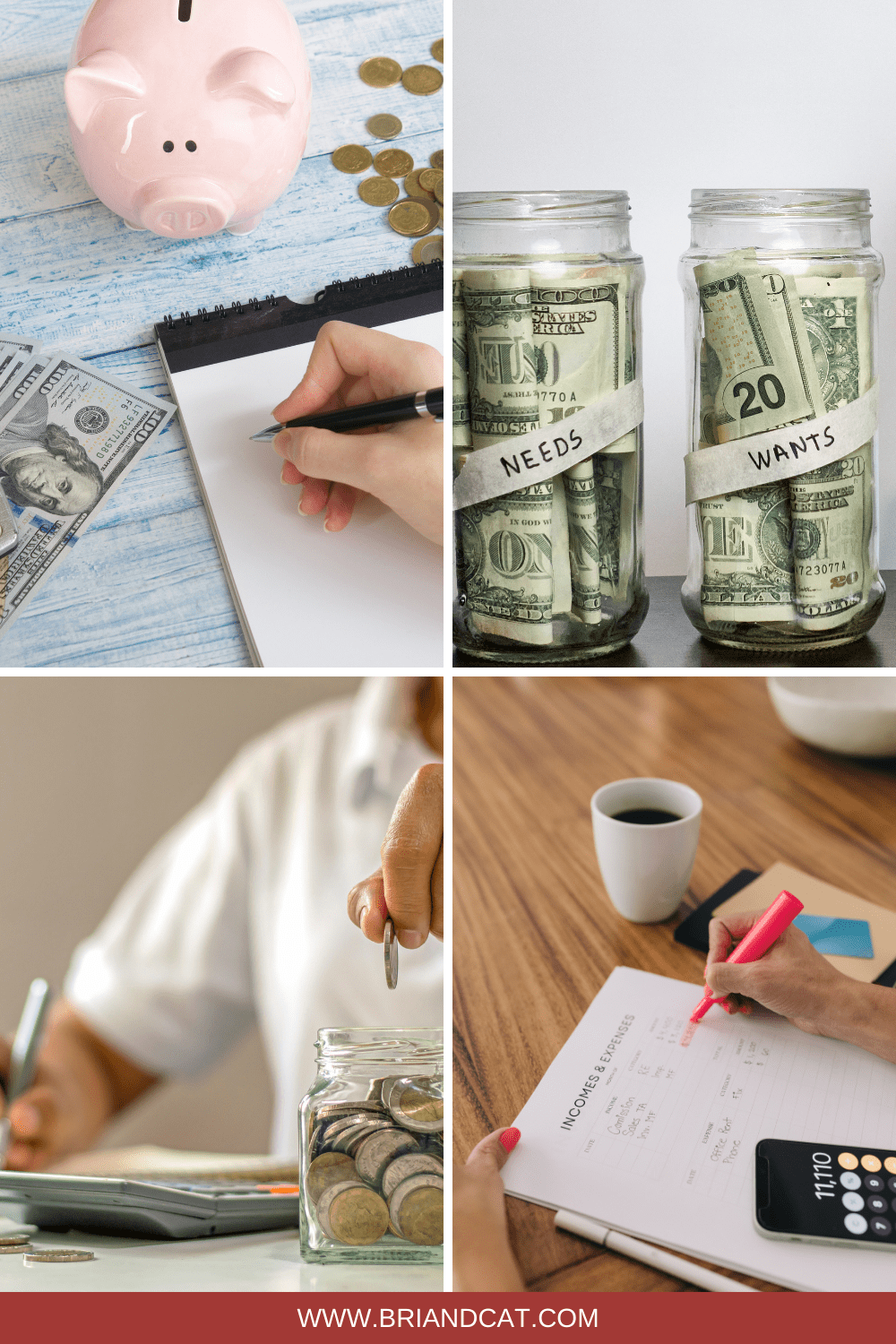
Learning how to save money by embracing a No-Buy Month challenge was one of the most eye-opening experiences I’ve had in my adult life.
I didn’t expect it to be life-changing. I honestly just wanted to stop feeling like I had a leaky wallet. You know the feeling, checking your bank account mid-month and thinking, where did it all go? For me, it was little things. A $7 latte here, a new candle from Target there, yet another skincare serum TikTok told me I “needed.” It didn’t feel like I was spending recklessly. But the reality? I was.
So, I decided to try a No-Buy Month.
Let me walk you through how I did it, what I learned, and how you can do the same, without feeling deprived or stressed. This is for anyone who wants to get a grip on their spending, reconnect with what actually matters, and maybe, just maybe, feel a little bit freer.
Table of Contents

What Is a No-Buy Month?
A No-Buy Month is exactly what it sounds like: you don’t buy anything outside of your essentials for an entire month.
That means:
- No takeout.
- No online shopping.
- No new makeup, books, or home decor.
- No random Target runs (I know, that one hurts).
Just the basics, food, bills, gas, medications. That’s it.
I approached it like a personal experiment. Could I go 30 days without spending on anything I didn’t truly need? Could I get off autopilot and make conscious choices about my money?
Spoiler: yes. And I learned more than I expected.
Why I Decided to Do a No-Buy Month
It started after I looked at my monthly spending report. My budgeting app gently told me I had spent $298 on “miscellaneous” purchases in one month. Almost $300 I couldn’t even account for. I was stuck in a cycle:
- Spend → Feel guilty → Cut back for a week → Repeat.
I wanted to break that pattern. I didn’t just want to save money. I wanted clarity, control, and to stop that nagging voice asking, “Should you really be buying that?”

Step 1: Set Clear No-Buy Rules
Before starting, I had to set some ground rules. The key? Be specific and realistic.
Here’s what I decided:
- Allowed: Groceries, gas, bills, pet care, and medical expenses.
- Not allowed: Clothing, Amazon, takeout, home decor, books, subscriptions (canceled a few!), and “treat yourself” items.
I also made a wishlist in my Notes app. Every time I wanted to buy something, I’d add it there instead of hitting “add to cart.” By the end of the month, most of it didn’t even appeal to me anymore.
Step 2: Tell Someone
Accountability helps. I told a close friend what I was doing. Not only did she cheer me on, she actually joined me! Having someone to text when I was tempted by a weekend sale or a new product launch made all the difference.
If you can, loop in a friend, partner, or even post about it online. Publicly declaring it made me way more likely to stick to it.
Step 3: Get Honest About Your Triggers
Midway through week one, I realized I had certain spending triggers:
- Stress: Long day = I deserved takeout, right?
- Boredom: Scrolling Target’s app “just to look.”
- Comparison: Social media made me want things I never even considered before.
I kept a small journal where I wrote down what I wanted to buy and why. That reflection helped me realize, more often than not, I wasn’t trying to buy a thing. I was trying to buy a feeling.
Awareness is powerful. That realization alone helped me pause before purchases even after the No-Buy Month ended.

Wins During My No-Buy Month
Here’s what actually happened, day to day:
Week 1: The Detox
I was hyper-aware of my habits. I almost bought a $15 lip balm I didn’t need but caught myself at the last second. I started noticing how often I “just looked” online.
I got creative in the kitchen instead of ordering out. (I finally used the lentils in my pantry, progress!)
Week 2: Temptation Time
A 40% off sale from my favorite brand hit my inbox. Normally, I’d jump. But I moved the item to my wishlist, told my accountability buddy, and walked away.
I also canceled three small subscriptions I hadn’t used in months. That saved me $34/month right there.
Week 3: New Habits Take Root
I stopped checking shopping apps. I realized I wasn’t craving the dopamine hit as much. Instead of buying a book, I went to the library. Instead of browsing Amazon, I took a walk or called a friend.
I was saving money, but I also felt lighter. Less clutter in my space. Less noise in my brain.
Week 4: Reflection and Relief
By the last week, I was amazed. I didn’t feel deprived. I felt empowered. I added up my savings, over $400 not spent. And it wasn’t even that hard once I got the hang of it.
What I Learned About Myself And Money
This challenge wasn’t just about the cash. It taught me how I spend, why I spend, and what actually brings value to my life.
- Impulse buys add up fast. That $20 here and there? It’s not nothing.
- Most wants are fleeting. The wishlist trick proved this. Out of 23 items I wrote down, I only still wanted 3 at the end of the month.
- Spending is often emotional. Once I recognized my triggers, I found healthier ways to cope.
- True joy doesn’t come from stuff. Cheesy but real. The best parts of the month were game nights with friends, cooking a new recipe, and morning walks.

Tips for Trying a No-Buy Month
Here are some things that made it easier for me:
1. Define Your Essentials
Everyone’s life is different. What’s essential for me may not be for you. Be clear about what’s allowed so you don’t second-guess every little thing.
2. Pick a Low-Spend Month
Start in a month that doesn’t have big holidays, travel, or birthdays if possible. That way, there are fewer curveballs.
3. Keep a “Craving” List
Use your phone or a journal to write down every non-essential you want to buy. Wait until the month is over. You’ll be amazed at how few you still want.
4. Get Support
Tell a friend, join a No-Buy Facebook group, or share on social media. You don’t have to go it alone.
5. Reframe It
It’s not about depriving yourself, it’s about choosing intention. You’re not saying “no” forever. You’re saying “not right now.”
What Happens After a No-Buy Month?
After the month ended, I felt like I had a fresh start. I didn’t go on a spending spree (though I did buy one of those wishlist items: a new book I still really wanted). More importantly, I had new habits.
- I unsubscribed from marketing emails.
- I now use the 24-hour rule before buying anything non-essential.
- I stick to a weekly budget with categories, and I actually enjoy it now.
And I repeat the No-Buy Month every 6 months. It’s like a financial reset.
The Bottom Line
If you’ve ever asked yourself how to save money without completely changing your lifestyle, a No-Buy Month challenge is a great place to start. You don’t need to be a minimalist or a budgeting pro. You just need curiosity, a little willpower, and a willingness to try something new. You’ll save money. You’ll learn what truly matters to you. And I guarantee, you’ll be surprised by how little you miss the things you once thought were must-haves.
So go ahead and pick your month. Write your rules. And give it a try. Your wallet (and your peace of mind) will thank you.
Have you tried a No-Buy Month before? Thinking about it? I’d love to hear how it goes or answer any questions, drop a comment below or send me a message!
With love,
Bri & Cat
Related Posts You Might Like:
Discover the Joy of Homemade: Simple Ways to Save Money and Reduce Waste
How to Create a Budget That Supports Your Simple Living Goals
The Frugal Living Mindset: 5 Beliefs That Will Change the Way You Spend Forever
Leave a Reply