
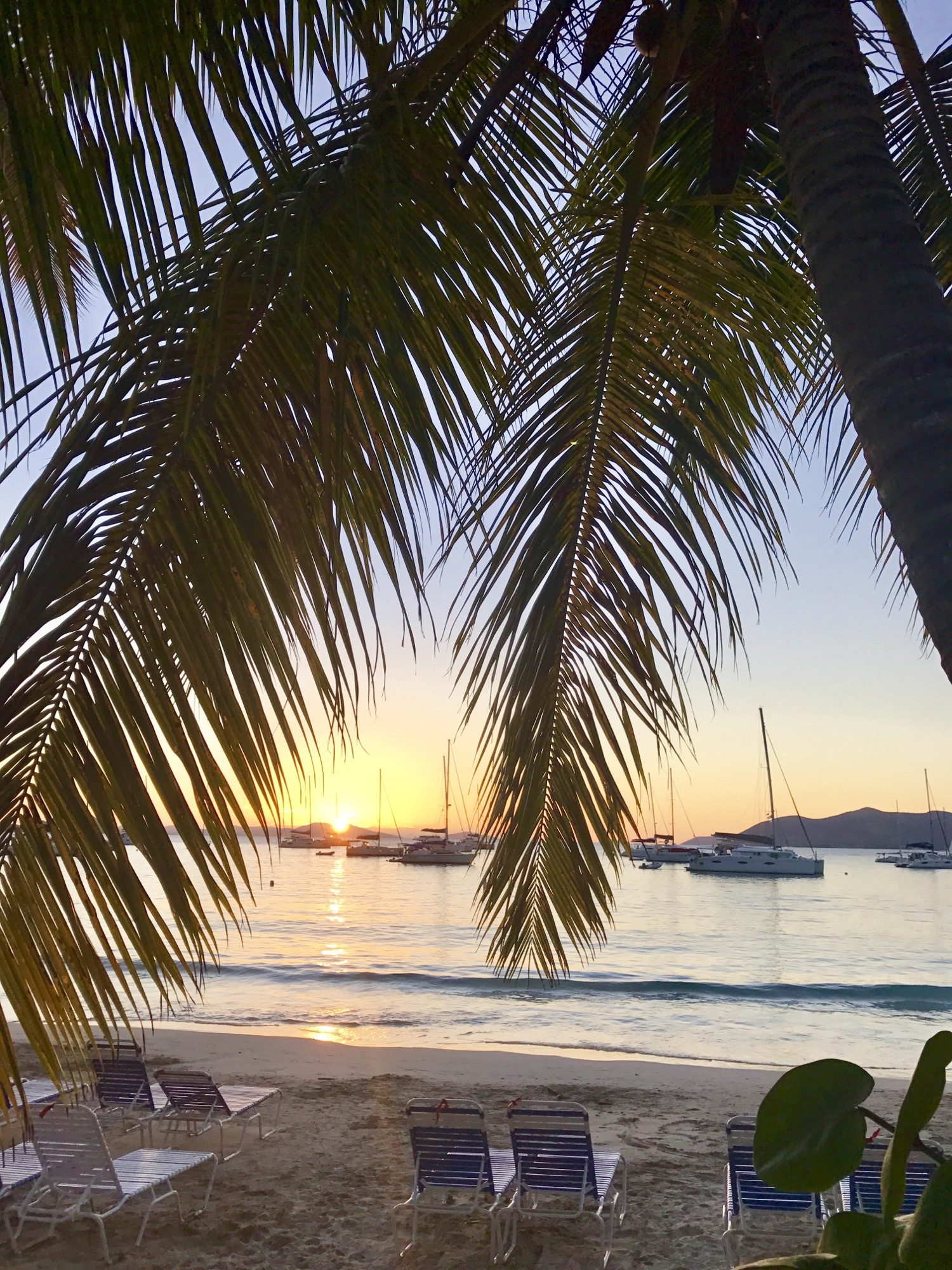
There’s something magical about sailing in the British Virgin Islands (BVI) for the first time. The turquoise waters, steady trade winds, and picturesque anchorages make it one of the world’s premier sailing destinations. Whether you’re a seasoned sailor or a first-time cruiser, the BVI offers the perfect combination of stunning scenery, smooth sailing conditions, and vibrant culture that makes every moment feel like a dream come true.
Table of Contents

But if you’ve never sailed these waters before, there are a few things you’ll want to know before setting off on your adventure. I remember my first trip-excited but slightly overwhelmed with all the logistics. The thought of navigating the islands, planning the best route, and making sure I had everything in order was a little intimidating. After all, this isn’t just a vacation; it’s an experience that requires preparation, especially if you’re unfamiliar with the area. If you’re in the same boat (pun intended), don’t worry! I’m here to help you make the most of your BVI sailing experience with this comprehensive guide.
This guide will walk you through the essential steps to ensure an unforgettable adventure through the BVI. You’ll learn about the best time to visit, how to prepare for the sailing conditions, and the most scenic spots to drop anchor. We’ll also dive into local customs, the best food to try at each stop, and how to make your trip stress-free, even if it’s your first time on the water. Whether you’re dreaming of snorkeling in crystal-clear coves, enjoying a sunset cocktail on deck, or exploring the BVI’s vibrant beach bars, this guide will help you prepare for a sailing adventure like no other.
1. Choosing the Best Time to Sail in the BVI
The BVI boasts year-round sailing conditions, but some months are better than others. The prime sailing season runs from December to April, offering the best weather-warm days, steady trade winds, and little rain. However, this also means higher prices and busier anchorages. If you prefer fewer crowds and lower charter rates, consider the shoulder seasons of May to June or November. Avoid hurricane season (July to October) unless you’re comfortable with potential itinerary changes due to weather.

2. Getting There and Checking In
Most US travelers fly into St. Thomas, USVI, and take a ferry or private water taxi to Tortola, the main hub of the BVI. This is often the easiest and most cost-effective option, rather than flying directly into Beef Island Airport (EIS). Once in Tortola, you’ll clear customs and immigration, which can take some time, so pack your patience. Have your boat paperwork, passports, and any necessary permits ready to speed up the process.
3. Understanding Mooring Fees and Anchoring
One of the most important things to know before sailing in the BVI is how to secure your overnight spot.
- Mooring Balls: These are available at most major anchorages, such as The Bight (Norman Island), Cooper Island, North Sound (Virgin Gorda), and Great Harbour (Jost Van Dyke). Expect to pay around $30-$40 per night for a mooring ball, which provides security and peace of mind.
- Anchoring: If mooring balls are full, you may need to anchor. Make sure you have a good anchor and understand the local seabed conditions, some areas have seagrass, which isn’t great for holding.
Arrive at your chosen anchorage by early afternoon to secure a spot, especially in high season.

4. Provisioning: Stocking Up for Your Trip
Before setting sail, you’ll need to stock up on food, drinks, and essentials. There are several provisioning services in Tortola that deliver directly to your boat, such as Riteway Food Markets and Bobby’s Supermarket. If you prefer to shop in person, visit these stores before departure.
Must-have items:
- Fresh produce, bread, and snacks
- Plenty of drinking water (it’s easy to underestimate how much you’ll need!)
- Rum and mixers (because you’re in the Caribbean!)
- Reef-safe sunscreen and bug spray
- Ice (if your boat doesn’t have a freezer)
Don’t forget that many islands have fantastic beach bars and restaurants, so you won’t need to cook every meal onboard.

5. Must-Have Gear for a Smooth Sailing Experience
Packing wisely can make or break your sailing trip. Here are some essential items you shouldn’t leave home without:
- Soft-sided luggage (hard suitcases don’t store well on boats)
- Quick-dry towels and swimsuits
- Waterproof phone case and dry bag
- Snorkeling gear (many charter companies provide it, but bringing your own ensures a good fit)
- Headlamp or flashlight (useful for nighttime dinghy rides)
- Light rain jacket (brief showers can pop up)
- Portable battery pack (power outlets on boats are limited)
- Seasickness medication (even experienced sailors can get caught off guard)
- Deck shoes or water shoes (to protect your feet on slippery decks and rocky shores)

6. Local Customs and Etiquette
The BVI is known for its laid-back vibe, but there are a few customs to be aware of:
- Respect marine life and reefs, never touch or stand on coral.
- Follow the “No Shirt, No Shoes, No Service” rule in beach bars.
- Be mindful of noise levels at night, especially in smaller anchorages.
- Dispose of trash properly, pack out what you bring in.
- Tipping is customary in restaurants and bars (typically 15-20%).
- Greet people with a smile and a friendly “Good morning” or “Good afternoon.”

7. Best Sunset Spots in the BVI
There’s nothing quite like watching the sun dip below the horizon from your boat, cocktail in hand. Here are some of the best sunset spots:
- Cane Garden Bay (Tortola): Gorgeous sunsets with live reggae music at Quito’s Gazebo.
- Soggy Dollar Bar (Jost Van Dyke): Enjoy a famous Painkiller cocktail while the sky turns shades of orange and pink.
- Anegada Reef Hotel (Anegada): Dine on fresh lobster with an unbeatable sunset backdrop.
- Cooper Island Beach Club: Sip a rum punch at their overwater bar with stunning views.
- The Baths (Virgin Gorda): Hike up to the viewpoint for a breathtaking sunset over the giant boulders.

8. Be Flexible and Embrace the Unexpected
Even with the best-laid plans, things can change. Weather, boat issues, or last-minute itinerary shifts are all part of the adventure. Stay flexible, go with the flow, and remember, you’re in one of the most beautiful places on earth.
A few final reminders:
- Check the weather daily to adjust your plans accordingly.
- Stay connected, some boats have WiFi, but cell coverage can be spotty.
- Be mindful of marine conservation efforts, leave only footprints and take only memories.

Your BVI Sailing Adventure Awaits
Sailing in the British Virgin Islands for the first time is an experience like no other. Whether you’re anchoring at a secluded bay, snorkeling in crystal-clear waters, or dancing barefoot at a beach bar, every day brings a new adventure. With these tips, you’ll be well-prepared for an amazing trip. So grab your sunscreen, hoist the sails, and get ready to explore paradise!
Have you sailed the BVI before? Share your favorite spots and tips in the comments below!
With love,
Bri & Cat
Check out my other posts on the BVI:
Sailing the British Virgin Islands with a Skipper: A Dreamy Escape to Paradise
Why the BVI is the Best Sailing Destination in the Caribbean

Leave a Reply