
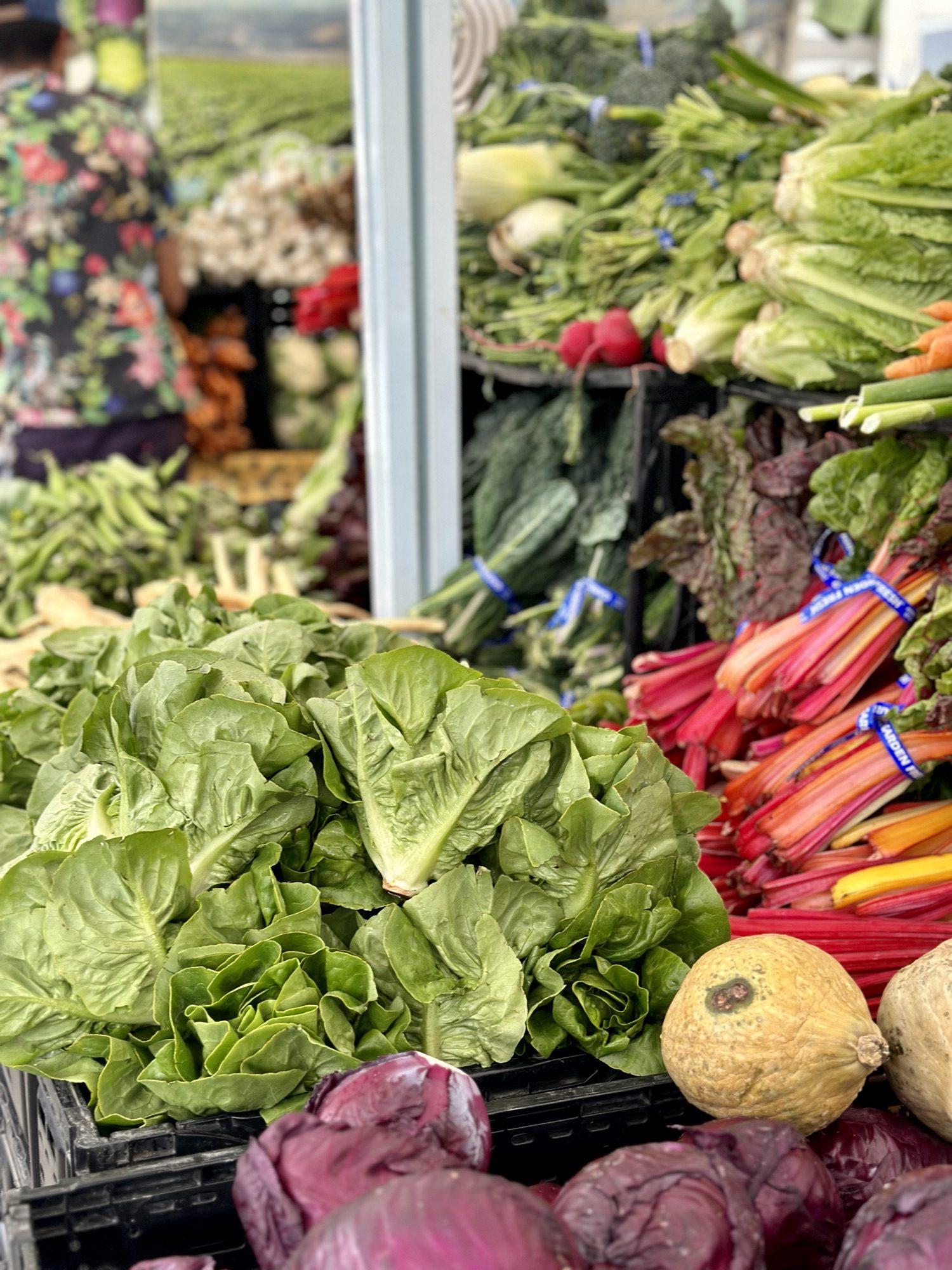
I look forward to the farmers market every week. It’s where I find the freshest local produce, can talk directly with growers, and stock up on in season ingredients. Over time, I’ve realized it’s also one of the simplest ways to shop more sustainably.
Sustainable shopping at the farmers market isn’t just a feel-good habit, it reduces waste, supports local farms, and cuts down on the environmental costs of industrial food. And with a little planning, it can save you money, too. Whether you’re new to the market or already a regular, these seven practical tips will help you make eco-friendly choices while getting the most out of every trip.
Table of Contents
1. Always Bring Reusable Bags, Containers, and Even Jars
The easiest thing you can do to be more sustainable at the market? Ditch the plastic. Bring your own bags, and not just one or two. Bring the whole toolkit:
- Canvas totes for bulkier items
- Mesh produce bags for things like apples, potatoes, leafy greens
- Plastic containers or repurposed jars for berries, cherry tomatoes, nuts, and even prepared foods
At my local farmers market, some vendors now give you a small discount or reward for bringing your own packaging. One honey vendor takes a dollar off if you bring back the jar. Another lets me dump peaches straight into my cloth bag instead of using their compostable, but still single-use, containers.
Reusable packaging cuts down drastically on your household trash, and over time, this adds up. I calculated once that I avoided using over 150 plastic bags in a single season just by bringing my own.

2. Time Your Visit Right to Get the Best Deals and Reduce Food Waste
There are two main times I like to shop at the market, and each has its perks:
- Early morning: Best selection, freshest produce, specialty items like sourdough or farm eggs often sell out
- Last hour: Vendors don’t want to pack up unsold items and are more likely to cut deals
One Saturday around 1:45 p.m. (market ends at 2), I asked a vendor what they were doing with leftover zucchini. “Take a bag,” she said, “just $2 for all of it.” That ended up being nine zucchinis, which became grilled sides, zucchini noodles, and a few loaves of zucchini bread. This also reduces food waste, because whatever doesn’t sell may not make it to the next market day.

3. Choose Seasonal, Local, and Organic (Ideally) Produce
A lot of people assume farmers market means “organic.” Not always true. Some vendors follow organic or regenerative practices but aren’t certified. Certification can be expensive and time-consuming, especially for small-scale farms. That’s why I always take the time to talk to the vendors and ask questions, it’s one of the biggest advantages of shopping at the farmers market. You can get real answers from the people who grow your food, not just marketing slogans on a package.
Here are a few go-to questions I ask when I want to understand their practices better:
- “How do you handle pests and weeds?”
- “Do you use any chemical sprays?
- “Are your animals pasture-raised or grass-fed?”
Asking these questions helps you make informed choices and learn more about the farming practices. The level of transparency doesn’t exist in big-box grocery stores, and it’s one of the best reasons to keep coming back to your local market

4. Prioritize Foods With Minimal Packaging, or None at All
At the farmers market, one of the best ways to shop sustainably is by choosing produce and products with little to no packaging. Unlike supermarkets, where even cucumbers come shrink-wrapped, many items at the market are sold loose, just the way nature intended.
- Skip plastic-wrapped baked goods in favor of items sold in paper or with no packaging at all. I bring my own cloth bread bag for loaves.
- Choose produce without twist ties or rubber bands. If you don’t need the elastic band around your parsley or the plastic container for berries, hand them back to the vendor, they often reuse them.
- Avoid prepared foods in single-use plastic when possible. Some vendors offer compostable containers, but reusable is better. Ask if you can bring your own container for things like hummus, olives, or soups.
One of my favorite vendors, who sells delicious mushrooms, used to package them in foam trays with plastic wrap. I politely asked if I could bring a reusable container instead, and she was more than happy to accommodate. Now she even encourages other shoppers to do the same.
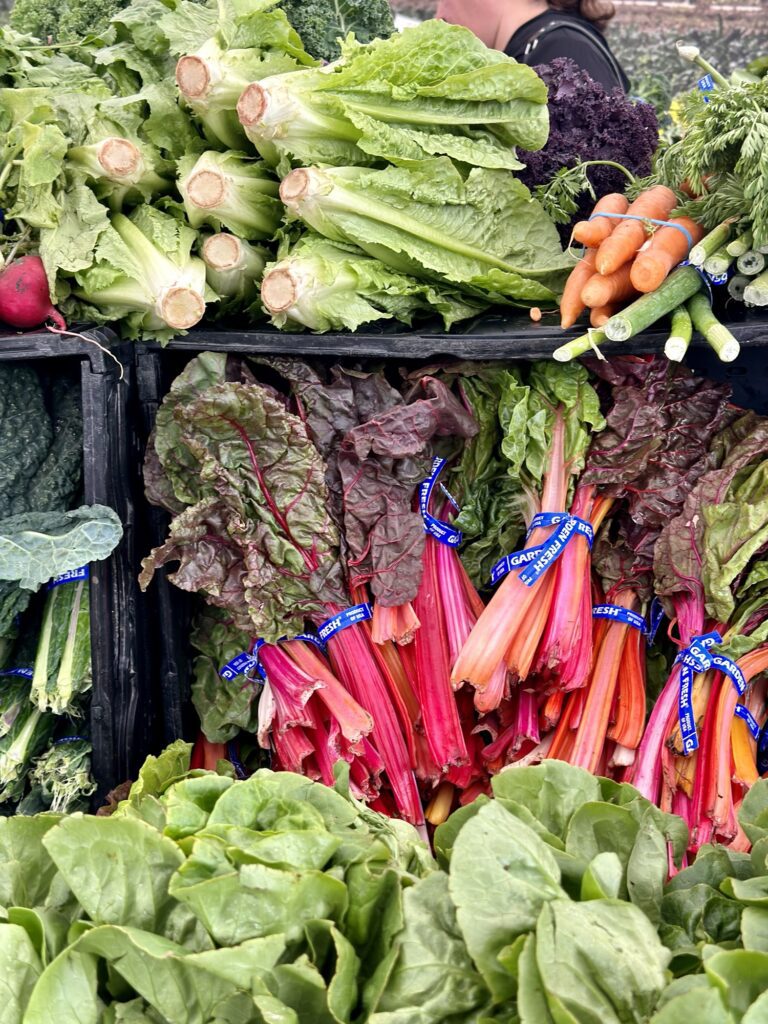
Minimal packaging reduces landfill waste, lowers production emissions, and encourages more thoughtful shopping. And honestly, bringing home a basket of unpackaged, dirt-dusted carrots and fresh lettuce leaves just feels better. If you’re not sure what to bring, a simple cloth bag and a few lightweight containers with lids can cover most of your needs.

5. Bring Cash, But Ask About Other Payment Options Too
While cash is still king at many markets (and helps vendors avoid credit card fees), a lot of stands now accept:
- Venmo or PayPal
- Credit cards with Square readers
- SNAP/EBT tokens in many U.S. cities (sometimes with bonus programs)
But bringing cash can help you stick to a budget. I usually take out $40 and challenge myself to get everything I need for the week, produce, eggs, and sometimes even bread or honey. No mindless spending, no impulse purchases.
If you’re really on a budget:
- Ask for “seconds”, blemished or odd-shaped fruits and veggies that are perfectly good to eat
- Look for bulk bundles or multi-buy discounts
- Offer to buy end-of-day extras that vendors don’t want to haul home

6. Meal Plan Around What’s in Season
I used to plan my meals first, then try to find those exact ingredients at the market. That works for grocery stores, but not for seasonal, local shopping. At the market, you need to stay flexible. Instead, I make a “framework” meal plan. Then I fill in the ingredients based on what’s fresh and abundant that week.
Found asparagus and scallions? Stir fry night. Grabbed ripe tomatoes, cilantro, and sweet corn? Taco bowl, here we come. This keeps my cooking spontaneous, fresh, and in sync with the season. It also minimizes food waste because I’m only buying what I know I’ll use.

7. Build Relationships With Your Farmers and Vendors
It might not seem like a sustainability tactic, but building relationships with the people who grow your food leads to better communication, less waste, and more community support.
For example:
- One Vendor saves “ugly” peaches for me because she knows I make jam
- A local baker gives me a discount when I bring back her reusable containers
These relationships go both ways. The more farmers know their regulars, the better they can plan their harvests and reduce overproduction.
And from a customer’s point of view? It feels really good to know the name of the person who grew your carrots or raised your eggs. It puts a face to your food, and that makes you less likely to waste it.

How Sustainable Market Shopping Saves Money Over Time
Let’s get practical, this isn’t just about the environment. You can absolutely save money by shopping sustainably. Here’s how it breaks down:
- You avoid packaged and processed food: Markets sell mostly whole foods, fruits, vegetables, grains, meats, eggs. Cooking from scratch is almost always cheaper per serving.
- You waste less: According to the USDA, the average U.S. household wastes 30%–40% of its food. Planning meals and preserving extras cuts that dramatically.
- You spend less on gas and delivery: Many markets are central and walkable. I bike to mine or carpool with a friend.
- You can preserve more: Buying bulk and learning how to freeze, dry, or pickle produce keeps your pantry and freezer stocked year-round.

One Habit at a Time
Sustainable shopping at the farmers market is not an all-or-nothing, just start with something easy:
- Bring your own bags
- Ask one farmer a new question
- Freeze some herbs that you bought in bulk
- Budget $20 and challenge yourself to make three meals from it
You don’t have to be perfect. Showing up to the market each week with your reusable bags in hand? That’s already making a difference.
Do you have Farmers Market tips for stretching your budget or reducing food waste? I’d love to swap ideas. Leave a comment or share your best sustainable market hack!
With love,
Bri & Cat
Related Posts You Might Like:
10 Tips for Making the Most of Your Farmers Market Visit
The Ultimate Meal Prep Toolkit: Essentials That Make Consistency Easier (Even When You’re Busy)


Leave a Reply