
This site contains affiliate links, view the disclaimer page for more information.
How I finally found the balance between gentle-enough-for-sensitive-skin and strong-enough-for-lake-water-and-sweat-soaked laundry, and why I’ll never go back to store-bought.
If you’ve ever stood in the laundry aisle of a grocery store, squinting at the back of a bottle, trying to decode which “free and clear” or “sensitive skin” detergent might actually be safe for your child’s eczema, while also wondering if it has any shot at cleaning your spouse’s truly disgusting workout clothes, then you already understand the problem I’m talking about. It shouldn’t be this hard. But it is.
For years, our family was caught in this exact cycle. My oldest son has eczema. The kind that flares up without warning, leaves his skin raw, red, and itchy, and is deeply, personally affected by what his clothes are washed in. Meanwhile, my husband is essentially a one-man grime-generating machine, daily workouts, constant yard work, and regular swims in the lake we live on mean his laundry isn’t just dirty. It’s spectacularly dirty. We’re talking sweat-soaked workout shorts layered with sunscreen, lake algae, and yard debris. The kind of laundry that makes you hold your breath when you open the washer lid.
Finding a detergent that could satisfy both ends of that spectrum felt, for a long time, genuinely impossible. And then I stopped looking in the store and started making it myself. This homemade laundry detergent changed everything, and I want to walk you through exactly why it works, how I make it, and what I’ve learned along the way.
Table of Contents
Our Skin Story: Why This Matters So Much to Me
I want to start here because I think understanding why we needed this change makes the recipe itself make more sense. Our oldest son was diagnosed with eczema when he was still a toddler. If you have a child with eczema, you know the particular heartbreak of watching them scratch at their skin in their sleep, or waking up to sheets spotted with blood from where they’ve scratched a patch raw overnight. You also know the detective work that comes with it, eliminating possible triggers one by one, trying every “hypoallergenic” product on the market, second-guessing every decision.
Laundry detergent turned out to be one of the biggest culprits for him. Even the brands that market themselves specifically to sensitive or eczema-prone skin, the ones with green labels and “free & clear” stamped on the front, were still causing flare-ups. I started doing more research and realized why: many of those products still contain synthetic surfactants, optical brighteners, or fragrance compounds that are listed under vague umbrella terms and don’t technically have to be disclosed. The “free and clear” label doesn’t mean the product is truly free of everything reactive. It just means it’s free of dyes and added fragrance. There’s a lot of room for irritants in the remaining ingredient list.
I also have sensitive skin myself, though nothing as dramatic as my son’s. But I’m the type who breaks out in a rash if I switch detergents or try a new fabric softener. My skin knows when something’s off, and it’s not shy about telling me.
And then there’s my husband. His situation is a little different but equally frustrating. He’s physically active every single day, lifting weights in the morning, doing outdoor work through the afternoon, and often jumping in the lake at the end of the day to cool down. Between the tight compression fabrics of his workout gear, the constant heat and sweat, and the environmental grime from the lake, he started developing persistent ingrown hairs on his legs and upper thighs. It was uncomfortable and embarrassing, and nothing he tried seemed to fully help.
We eventually realized that the detergent we were using might be part of the problem. Heavy commercial detergents can leave a residue on synthetic athletic fabrics, a coating that builds up over time, traps bacteria and odor, and can actually clog pores when you wear those clothes against your skin. His skin was reacting to clothes that weren’t being cleaned thoroughly, despite going through a full wash cycle. The detergent was masking the problem with fragrance while leaving residue behind. That was the moment I fully committed to figuring out something better. I needed one solution that worked for all of us.
Why Store-Bought “Sensitive” Detergents Weren’t Cutting It
Before I get to the recipe, I think it’s worth spending a moment on why the commercial alternatives so often fall short, because understanding the problem makes you a much more informed maker and user of this recipe. Most commercial laundry detergents, including those marketed for sensitive skin, are built around synthetic surfactants. These are the chemicals responsible for the cleaning action, and they work well. But they also tend to leave residue on fabric, especially synthetic fabrics, and that residue can be a skin irritant, particularly for people with compromised skin barriers, like those with eczema.
Fabric softeners are another issue. They work by coating fabric fibers with a thin layer of lubricant, which makes clothes feel soft and reduces static. But that coating doesn’t wash out. It builds up over time and can trap sweat, bacteria, and allergens in the fabric. For someone with eczema or sensitive skin, or someone wearing tight workout gear, that buildup is a real problem.
Synthetic fragrances are probably the most well-known culprit when it comes to skin reactions, but they’re often hidden in plain sight. “Fragrance” on an ingredient label can refer to dozens of individual chemical compounds, many of which are known allergens and skin sensitizers. Even products that smell faintly or “clean” rather than perfumey may still contain synthetic fragrance compounds.
Optical brighteners are another sneaky ingredient. They’re added to make white clothes appear whiter by absorbing UV light and re-emitting it as visible blue light. They don’t actually clean anything, they just make clothes look brighter. But they stay in the fabric after washing and can be a trigger for skin reactions in sensitive individuals. All of this is to say: if you’ve tried the “gentle” commercial options and still had problems, you’re not imagining it. The issue is often in what those products don’t disclose, not just what they do.
The Recipe That Actually Works
After a lot of research, testing, and a few batches I won’t talk about, this is the recipe I settled on. It’s simple, effective, genuinely skin-safe, and powerful enough to handle the full range of what our family throws at it.
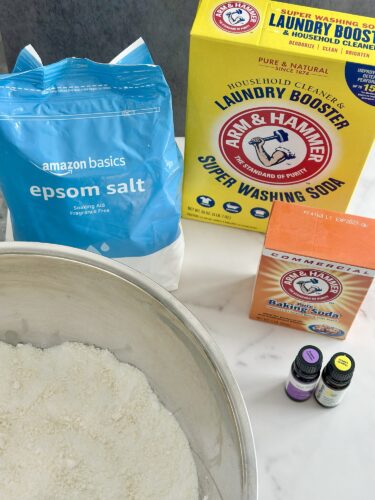
Ingredients
- 2 cups washing soda: This is the workhorse of the recipe. Washing soda (sodium carbonate) is a natural mineral compound that cuts through grease, lifts stains, neutralizes odors at the source, and softens hard water. It’s more alkaline than baking soda, which makes it significantly better at breaking down the kinds of oils, sweat, and environmental grime that athletic and outdoor clothing picks up.
- 2 cups baking soda: A natural deodorizer that also helps soften water and acts as a gentle abrasive. It balances out the intensity of the washing soda and contributes to an overall cleaner rinse.
- 2 bars unscented Castile soap, finely grated (I use Dr. Bronner’s Baby Unscented or Kirk’s Fragrance-Free) This is the soap component of the blend. Castile soap is made from plant oils (traditionally olive oil, though modern versions often use a blend) and contains no synthetic surfactants, fragrances, or additives. I use Dr. Bronner’s Baby Unscented or Kirk’s Fragrance-Free. Both are genuinely fragrance-free, not “lightly scented” or “naturally fragranced,” but truly unscented. I chop up the bars of soap and blend it in a food processor.
- 1 cup Epsom salts: This is the ingredient people are often most surprised by. Epsom salts (magnesium sulfate) help soften both the water and the fabric, reduce static cling, and may have a mild soothing effect on skin. They’re particularly useful if you have hard water, which can make fabrics feel stiff and cause soap scum buildup in your machine.
- Optional: 3–6 drops total of lavender and/or lemon essential oil: I use this only in select loads, like baby bedding or guest linens, where I want a very faint, clean scent. If you’re using this for your most sensitive-skin loads, skip it entirely. When I do use essential oils, I exclusively reach for Plant Therapy: they’re USDA certified organic, third-party tested, and specifically labeled as kid-safe, which matters a lot in our house.
What I Deliberately Left Out
No borax. This is a deliberate choice. Borax is a common ingredient in DIY laundry recipes, and I understand why, it’s a good cleaning booster. But it’s also a mild irritant that can cause skin reactions in some people, especially children with eczema or compromised skin barriers. Given that the washing soda is doing most of the heavy lifting in this recipe, borax is simply unnecessary, and I’d rather leave it out entirely than risk a reaction. No fabric softener of any kind. I use white vinegar in the rinse cycle instead (more on that below), and it does a better job anyway. No dyes, no optical brighteners, no synthetic fragrance.
| Ingredient | Why I Use It |
|---|---|
| Washing soda | Breaks down heavy stains, oils, and odors (but is still gentle) |
| Baking soda | Natural deodorizer, softens water |
| Castile soap | Pure, fragrance-free soap that doesn’t leave irritating residues |
| Epsom salts | Help soften fabric, reduce static, and may soothe skin |
| White vinegar (in rinse) | Removes residue, softens fabric, and freshens naturally |
This detergent leaves no weird coating on clothes, no overpowering scent, and no surprise skin reactions. It’s the real deal.
How to Make It
A note before you start: mix this somewhere ventilated. The fine particles from the washing soda and baking soda become airborne when you stir them together, and inhaling them is irritating to your throat and nose. I mix on our patio table in good weather, or in the garage with the door open when it’s cold. If I’m stuck indoors, I crack windows and wear a simple dust mask. It’s not a big deal, just something to know going in.
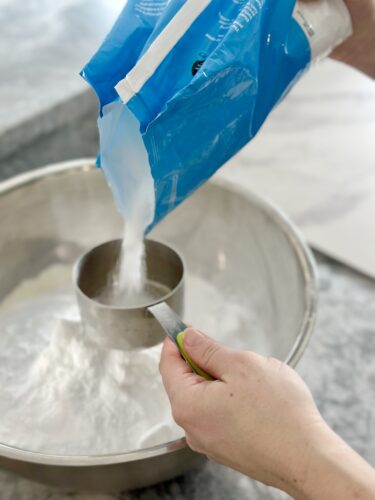
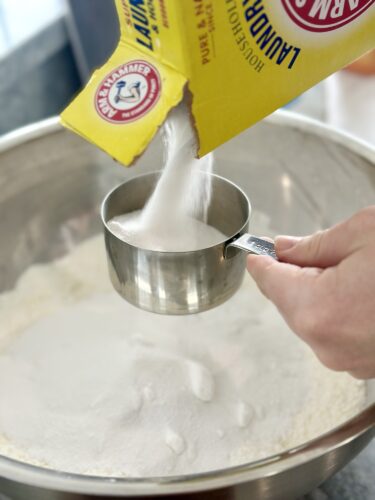
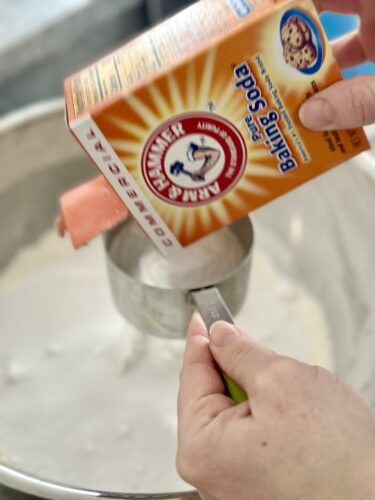
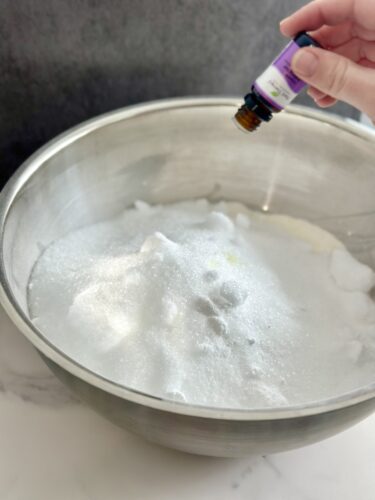
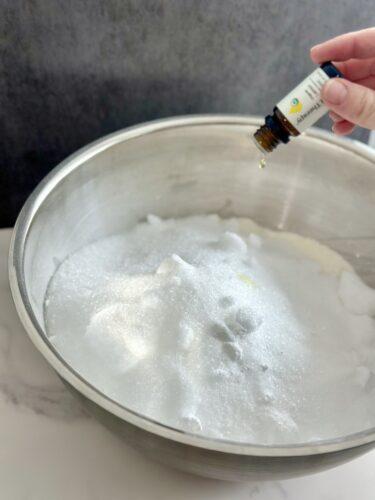
Step 1: Grate your Castile soap bars using a standard cheese grater or the shredding attachment on a food processor. The finer the better, you want it to dissolve fully in the wash cycle, even in cold water.
Step 2: Combine the grated soap, washing soda, baking soda, and Epsom salts in a large bowl or bucket. Stir thoroughly until everything is evenly distributed. Take your time here, you want a consistent blend, not pockets of pure washing soda or baking soda.
Step 3: If you’re adding essential oils, don’t drip them directly into the powder mixture. Instead, mix the drops into a small amount of baking soda first, about a tablespoon, then add that scented baking soda to the full batch and stir again. This helps distribute the scent much more evenly. I use and love Plant Therapy essential oils as they are USDA organic, excellent quality, and kid friendly.
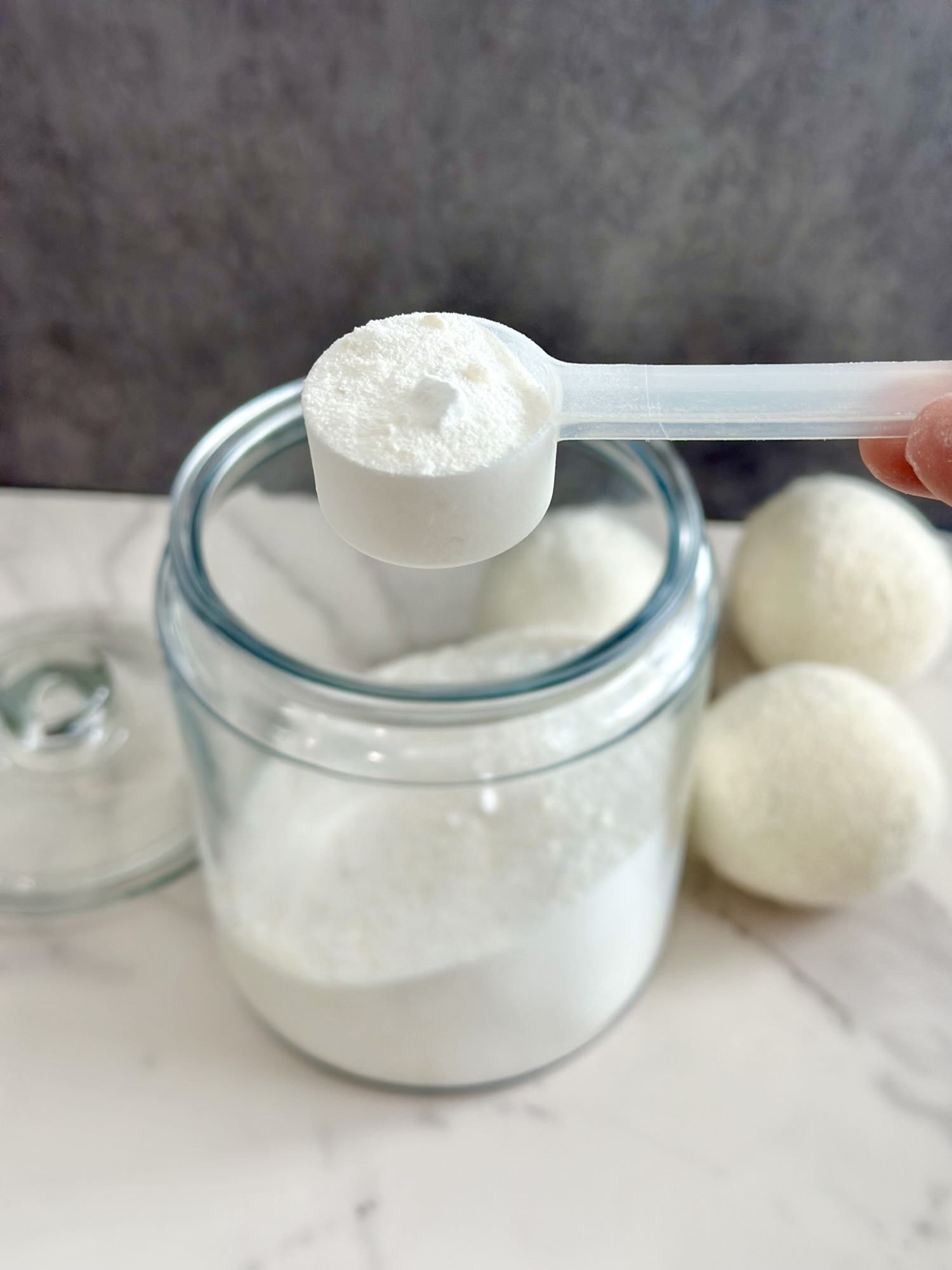
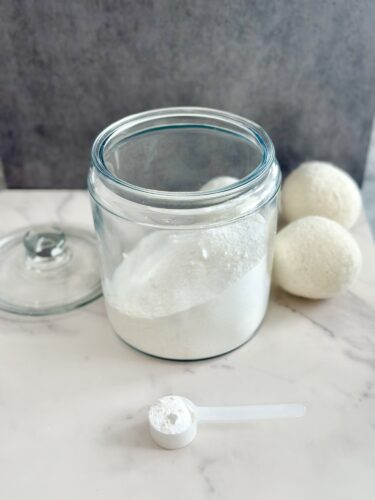
Step 4: Transfer to an airtight container and store in a cool, dry place. I keep mine in a large clear canister with an airtight lid on a shelf in my laundry room. I always make a double batch because making this weekly is not something I have time for, and a double batch lasts us comfortably through the month.
Storage tip: I use this clear container on Amazon, it fits a double batch perfectly (I always double the recipe above because I’m not making this weekly), has an airtight lid to keep moisture out, and is simple and fits in the basket on my laundry shelf.
How to Use It
- Regular loads: 1 tablespoon
- Large or heavily soiled loads: 2 tablespoons (this is what I use for my husband’s yard work and workout laundry)
- Fabric softening: Add ½ cup distilled white vinegar to the rinse cycle compartment
The vinegar deserves its own mention because it’s genuinely one of the most effective things I’ve added to our laundry routine. It doesn’t make your clothes smell like vinegar, the scent fully dissipates during the rinse and dry cycle. What it does do is neutralize any alkaline residue left by the detergent, naturally soften fabric fibers, reduce static, and leave clothes feeling clean and fresh without any coating or film. I’ve filled my washer’s rinse dispenser with it so it goes in automatically every cycle. I barely even think about it anymore. This detergent is safe for HE (high efficiency) machines and front-loaders. Because it’s low-sudsing, it works especially well in HE machines that require low-foam detergents. Just add the powder directly into the drum before loading your clothes.
What Changed for Our Family
The difference in my son’s skin was the first thing I noticed, and it happened faster than I expected. Within two or three weeks of switching, the frequency of his eczema flares dropped noticeably. No more waking up to him scratching. No more raw patches on the backs of his knees or the inside of his elbows after sleeping on freshly laundered sheets. I didn’t change anything else about his routine during that time, same soap, same diet, same environment. The detergent was the variable, and removing the commercial detergent made a real difference.
My husband’s skin took a little longer, but the improvement was undeniable. His skin stopped reacting to his workout clothes. He mentioned, unprompted, that his legs just felt better after wearing the clothes washed with this detergent. Coming from someone who barely notices that kind of thing, that was meaningful. And his clothes? They came out genuinely clean. Not masked with fragrance. Not stiff with residue. Actually clean, even after a day of yard work followed by a lake swim followed by a workout. Two tablespoons, a splash of vinegar in the rinse, and the washer does the rest. For me, it was the absence of the itchiness I’d accepted as just a normal part of doing laundry. I hadn’t realized how much low-grade irritation I was living with until it was gone.
A Few Extra Tips for Eczema and Athletic Laundry
These are the small adjustments that, combined with this detergent, have made the biggest difference for us:
Always wash new clothes before wearing them. Retail fabrics are treated with sizing chemicals, dyes, and other finishing agents that can be immediate triggers for sensitive skin. Never skip the first wash.
Use wool dryer balls instead of dryer sheets. Dryer sheets are essentially fabric softener in sheet form, they coat your laundry with the same residue-causing compounds and are a common eczema trigger. Wool dryer balls reduce static just as effectively without any chemical coating, and they help clothes dry faster.
Run an extra rinse cycle. If your machine has this option, use it for your most sensitive-skin loads. The second rinse ensures that even the most thorough detergent is fully rinsed out.
Don’t overload the machine. This one matters more than people realize. Clothes need room to move freely in the water to rinse properly. A too-full machine means detergent residue stays in the fabric, which is especially problematic for eczema-prone skin.
Wash athletic wear promptly. Don’t let sweaty workout clothes sit in a pile. The longer they sit, the more the bacteria sets into the fabric, making it harder to remove and more likely to irritate skin on the next wear.
Homemade Laundry Detergent
Gentle on sensitive skin and eczema, tough on stains and odors
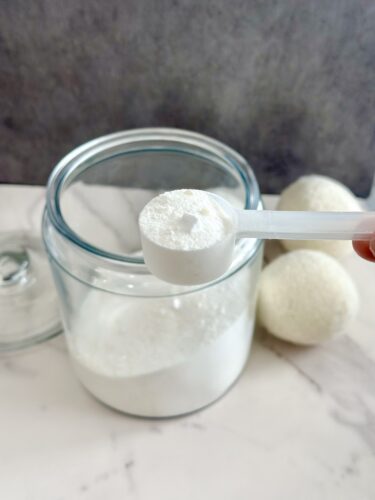
Makes: About 7 cups (roughly 50–100 loads depending on load size)
Ingredients
- 2 cups washing soda
- 2 cups baking soda
- 2 bars unscented Castile soap, finely grated (Dr. Bronner’s Baby Unscented or Kirk’s Fragrance-Free)
- 1 cup Epsom salts
- Optional: 3–6 drops lavender or lemon essential oil
Instructions
- Grate the Castile soap bars using a fine cheese grater or food processor.
- Combine washing soda, baking soda, Epsom salts, and grated soap in a large bowl. Stir until evenly mixed.
- If using essential oils, mix drops into 1 tablespoon of baking soda first, then stir into the full batch.
- Store in an airtight container in a cool, dry place.
Tip: Mix outdoors or in a well-ventilated area to avoid inhaling fine powder.
How to Use
- Regular loads: 1 tablespoon
- Large or heavily soiled loads: 2 tablespoons
- Add ½ cup distilled white vinegar to the rinse cycle as a natural fabric softener
Safe for HE and front-loading machines. Add powder directly to the drum.
Why Making Your Own Is Worth It
I’ll be honest with you: the first time I made this, I was a little skeptical. The list of ingredients seemed too simple. The process seemed too easy. I was used to the idea that effective cleaning required some proprietary blend of chemicals I couldn’t replicate at home.
But it works. It works better than anything we bought from a store. And there’s something genuinely satisfying about knowing exactly what’s in the product going onto your family’s clothes and bedding. No guesswork. No hidden ingredients. No wondering whether the “free & clear” label means what you hope it means.
The cost is another benefit worth mentioning. A double batch of this recipe costs a fraction of what we were spending on commercial detergent, and it lasts longer than you’d expect given how little you use per load.
If your family is dealing with eczema, sensitive skin, or the particular challenge of truly dirty laundry that still needs to be gentle, try one batch. Give it a few weeks. Pay attention to your skin, and the skin of the people you’re washing for. I think you’ll be surprised.
A gentle clean doesn’t have to mean a weak one. It just means knowing what you’re working with.
With love,
Bri & Cat
Affiliate Disclaimer:
As an Amazon Associate I earn from qualifying purchases. This comes at no additional cost to you. We only recommend products that we believe will add value to our readers.
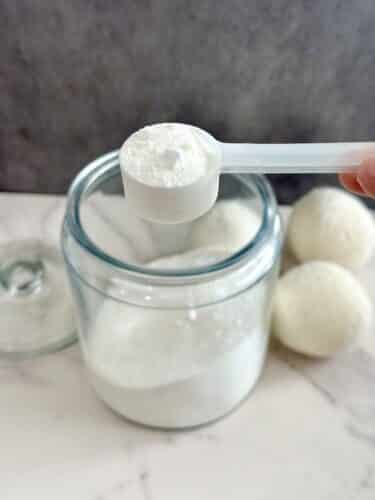
DIY Natural Laundry Detergent
Ingredients
- 2 cups washing soda
- 2 cups baking soda
- 2 bars unscented Castile soap, finely grated (Dr. Bronner’s Baby Unscented or Kirk’s Fragrance-Free)
- 1 cup Epsom salts
- Optional: 3-6 drops total lavender or lemon essential oil use only for select loads like baby bedding or guest linens; skip for sensitive skin
Equipment
- food processor or blender
- Large mixing bowl
- Airtight storage container (mason jars or a lidded bin work well)
- Measuring cups
- Cutting board and knife (for chopping soap bars)
Method
- Chop the Castile soap bars into rough chunks and add to a food processor. Pulse until finely grated, almost powder-like.
- In a large mixing bowl, combine the washing soda, baking soda, and Epsom salts.
- Add the grated Castile soap to the bowl and mix thoroughly until fully combined and no clumps remain.
- If using essential oils, add 3-6 drops now and mix again to distribute evenly.
- Transfer the finished detergent to an airtight container for storage.
- Use 2 tablespoons per regular load, adjusting up for heavily soiled laundry.
Notes
- For the rinse cycle, add a splash of white vinegar instead of fabric softener. It removes residue, softens fabric, and freshens naturally.
- Skip the essential oils entirely for baby laundry or anyone with sensitive skin or eczema.
- Store in a dry place. If the powder clumps over time, break it up with a fork before use.
- This recipe intentionally leaves out borax, dyes, optical brighteners, and synthetic fragrance to minimize skin irritation.
- Works well in both standard and HE washing machines.
Leave a Reply