
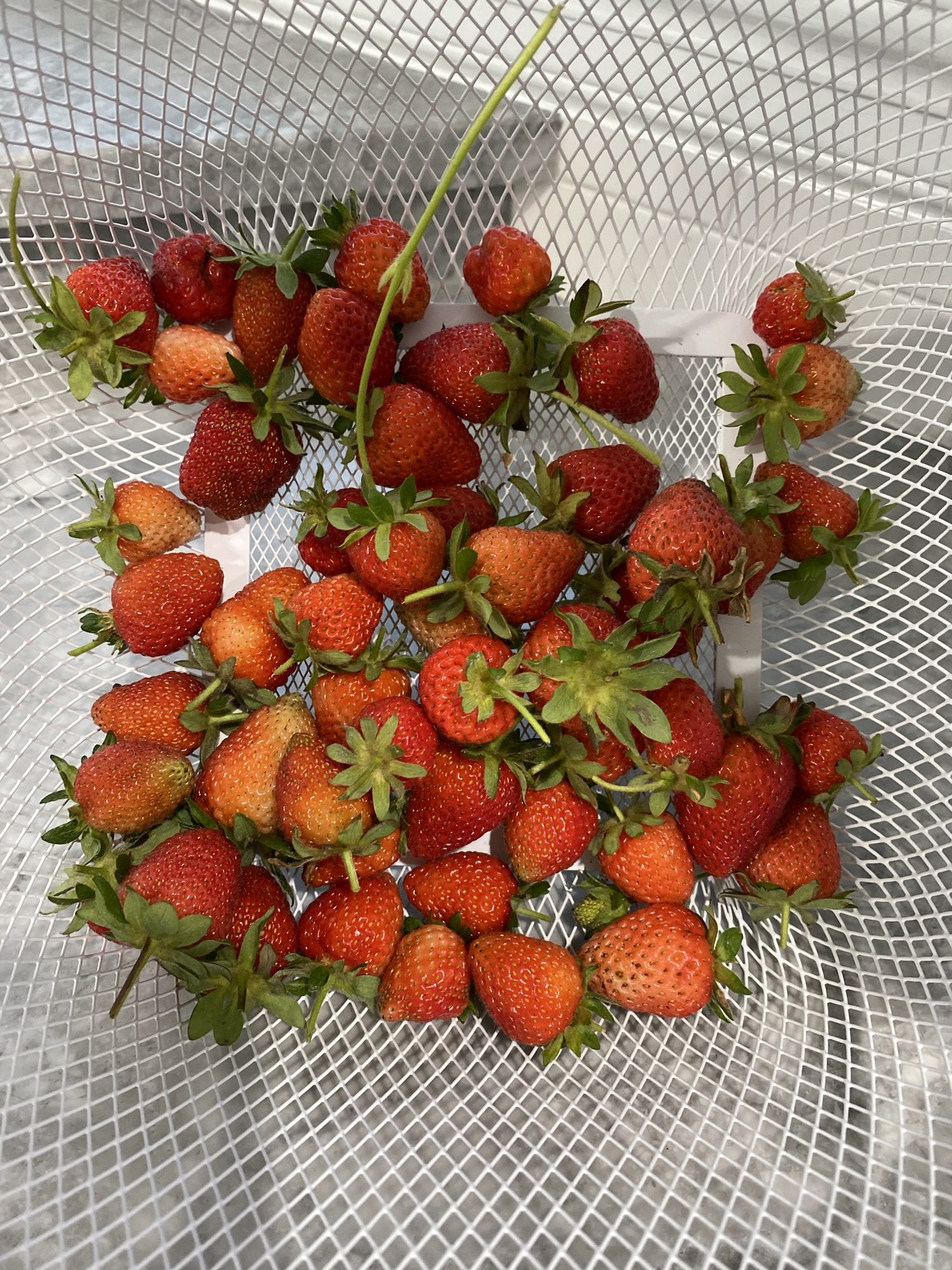
When I first started our family’s strawberry garden two seasons ago, I never imagined we’d have fresh, sweet strawberries available all season long. At the time, we had only eight plants- just a small experiment to see if it was possible to grow strawberries in our yard while managing our full-time careers and raising two energetic boys. Little did I know that these eight plants would grow into a flourishing patch that provides us with a steady stream of berries from spring to fall.
Whether you’re a gardening newbie or a seasoned pro, strawberries are one of the most rewarding fruits to grow. They don’t require a ton of attention, and they’re a great way to get your kids involved in the gardening process. In this post, I’ll share how we started our strawberry garden, why I recommend everbearing strawberries, and provide tips to help you create your own strawberry patch.
Table of Contents

Why We Chose Everbearing Strawberries
When we first planted our strawberry garden, I had two primary goals: I wanted to grow a variety that would produce throughout the season, and I wanted to keep the maintenance as low as possible. After doing some research, I decided to go with everbearing strawberries. Everbearing varieties are ideal for busy families because they produce strawberries multiple times per year- typically in the spring, late summer, and sometimes even in the fall. This means that we can enjoy strawberries over a much longer period.
As a busy mom, I didn’t want to deal with the all-or-nothing harvests that come with June-bearing strawberries. These strawberries produce a large, concentrated harvest in early summer, but that’s it for the season. While June-bearing strawberries are perfect for those who want to stock up on strawberries for jams or freezing, they don’t offer the same flexibility for a consistent, year-round harvest.
With everbearing strawberries, I knew we’d have berries available for snacking, baking, and making jam throughout most of the year. Plus, the kids love having fresh fruit to snack on every day, so it was a win-win!
How We Started Our Strawberry Garden

Starting a strawberry garden from scratch doesn’t have to be complicated. Here’s how we went from 8 plants to a thriving strawberry patch that provides fresh berries throughout the season:
Step 1: Choosing the Right Spot
Strawberries need at least 6-8 hours of sunlight a day to produce healthy fruit. So, our first step was to choose a sunny spot in our yard that would receive plenty of direct sunlight. Ideally, strawberries should be planted in well-drained soil, so we avoided areas with heavy clay or low-lying spots where water could pool.
We decided to plant them in raised beds because our soil tends to be heavy, and raised beds are perfect for ensuring proper drainage. It also made it easier to control the soil quality and minimize weeds. We use this one from AMAZON.
Step 2: Preparing the Soil
Strawberries prefer slightly acidic soil (pH 5.5 to 6.5), so we tested our soil and amended it with compost to improve its fertility. We use this 4 in 1 soil test meeter from AMAZON and it does the trick for us! If your soil is heavy, sandy, or clay-like, adding organic matter is key to creating the ideal environment for your strawberry plants. We chose to use strawberry premium potting soil to give the plants a good boost right from the start.
Step 3: Planting the Strawberries
We planted our everbearing strawberry plants about 12-18 inches apart in rows, leaving enough space for the plants to spread out over time. It’s important not to plant them too deep- just make sure the crown (where the roots meet the stems) is level with the soil surface. Planting them too deep can cause the crown to rot, while planting too shallow can expose the roots and lead to drying out.
After planting, we watered the strawberries well and mulched around the base with straw to help retain moisture and keep weeds at bay. Mulching also protects the berries from touching the ground, which helps prevent rot and keeps the fruit clean.
Step 4: Watering and Maintenance
During the first few weeks after planting, we made sure to keep the soil consistently moist. Strawberries don’t like to dry out, but they also don’t like to sit in soggy soil. I set up a simple drip irrigation system to water the plants slowly and evenly, which helped avoid overhead watering and kept the foliage dry to prevent disease.
As the plants grew, we continued to water them regularly, especially during dry spells. But once they were established, we didn’t have to water them as often.
Step 5: Managing the Runners
One of the things that makes strawberries so easy to grow is their ability to propagate through runners- little offshoots that sprout from the main plant and form new baby plants. We allowed some runners to grow to create new plants in the surrounding area, which helped fill out our strawberry patch and expand it without having to buy more plants.
However, it’s important to manage the runners so they don’t overtake the patch. I would occasionally trim back excess runners to prevent them from becoming too tangled and crowding out the main plants.
Tips for Growing a Successful Strawberry Patch
Here are some of the key lessons I’ve learned along the way to help you create a thriving strawberry patch of your own:
1. Choose the Right Strawberry Variety
As mentioned earlier, I highly recommend everbearing strawberries for a long, continuous harvest. However, if you’re looking for a more traditional, one-time summer harvest, June-bearing strawberries might be more up your alley. June-bearers tend to produce a larger harvest in early summer, but they won’t produce again until the following year. Choose the variety that fits your needs!
2. Don’t Overcrowd the Plants
While strawberries are low-maintenance, they do need space to grow. Overcrowding can lead to poor air circulation, which makes the plants more vulnerable to disease. Make sure your plants have room to spread out- ideally, about 12-18 inches apart.
3. Mulch to Keep Weeds Out
Mulching is one of the best things you can do for strawberries. It helps retain moisture, keeps weeds at bay, and protects the berries from touching the soil. I use straw or shredded leaves as mulch, but you can also use pine needles or even newspaper.
4. Regularly Check for Pests and Disease
Strawberries are generally low-maintenance, but you should still check for pests like aphids, slugs, or spider mites. If you see any pests, remove them by hand or use an organic pest control option. Also, keep an eye out for mold or fungal diseases- if you spot anything, make sure to remove affected leaves and fruits to prevent the spread.
5. Harvest Often
The more you harvest, the more your strawberry plants will produce. I try to pick berries every other day, especially when the plants are in peak production. It helps to avoid overripe berries, which can attract pests and encourage disease.
6. Don’t Forget to Fertilize
Strawberries benefit from regular fertilizing. I fertilize my plants with an organic, balanced fertilizer once a month during the growing season to encourage strong growth and fruit production. Just make sure to follow the instructions on the fertilizer package to avoid overfeeding the plants.
The Reward: Fresh Strawberries All Season Long
Now that we’ve been growing strawberries for two seasons, we enjoy fresh, homegrown strawberries almost year-round. The kids absolutely love checking the patch every day to see what’s ripe for picking. Most of the fruit doesn’t make it into the house, as the boys love snacking on them right in the garden, but it’s a perfect pre-dinner treat that keeps them engaged in the process.
By choosing the right variety, planning the space, and following these simple tips, you can easily grow a strawberry patch that will provide you with fresh, delicious fruit all season long. And just think- your kids can be a part of the harvest every step of the way!
Happy Picking!
Bri & Cat
Affiliate Disclaimer:
As an Amazon Associate I earn from qualifying purchases. This comes at no additional cost to you. We only recommend products that we believe will add value to our readers.
Leave a Reply