
When I first started learning about simple meal planning, I thought it meant boring food. Rice, chicken, maybe a handful of steamed broccoli. But over time, I realized simple doesn’t mean bland, it means doable. It means meals that fit into a busy life, meals that nourish without stress, and meals that don’t require twenty ingredients from three different stores.
In this post, I want to share my approach to simple meal planning. I’ll tell you the strategies I use, the mistakes I made in the beginning, and how I learned to enjoy cooking again by stripping away the overwhelm. If you’ve ever stood in front of your fridge wondering what on earth to make for dinner, or worse, ordered takeout for the third night in a row because you were too tired to think, you’ll relate.
Table of Contents
Why Simple Meal Planning Changed Everything for Me
Years ago, I tried meal prepping the “Instagram way.” You know the one, perfectly portioned containers lined up in the fridge with colorful sauces, elaborate toppings, and every meal mapped out for the week. It looked beautiful, but it was completely unrealistic for my lifestyle. By Wednesday, I was sick of the meals, I didn’t have time to reheat properly, and half of the containers ended up forgotten in the back of the fridge.
That’s when I realized: meal planning didn’t need to be complicated. I didn’t need fancy recipes or a rigid schedule. What I really needed was a system that was:
- Flexible enough for my schedule.
- Built around ingredients I actually enjoy eating.
- Simple enough that I could stick with it week after week.
The Secret: Fewer Ingredients, More Freedom
One of the biggest breakthroughs I had with simple meal planning was limiting the number of ingredients I worked with each week. Instead of shopping for 25 different items, I started focusing on 10–12 core ingredients that I could mix and match.
For example, one week I might build my meals around:
- Chicken thighs
- Canned chickpeas
- Spinach
- Sweet potatoes
- Eggs
- Quinoa
- Avocado
- Tomatoes
- Greek yogurt
- Garlic and onion

With just these, I could make:
- A quinoa and chickpea salad with avocado and tomato.
- Baked chicken thighs with roasted sweet potatoes and spinach.
- A breakfast scramble with eggs, spinach, and garlic.
- A quick yogurt bowl with fruit and nuts I already had.
Instead of hundreds of ingredients competing for attention, I learned to keep it simple. The bonus? My grocery bill dropped, and I actually used what I bought.
My 3-Step System for Simple Meal Planning
I’ll walk you through the system I use every week. It’s quick, it’s easy, and best of all, it’s flexible.
1. Pick Your Building Blocks
I start by choosing 2–3 proteins, 2–3 vegetables, a couple of grains or starches, and one or two extras (like avocado, cheese, or nuts). That’s it.
Real-life example: last week I chose salmon, lentils, and eggs as my proteins. For veggies, I went with broccoli, zucchini, and spinach. My starches were rice and sweet potatoes. Extras included feta cheese and hummus.
2. Plan Out Meal Combinations
I don’t write down exact meals for each day, that’s too rigid for me. Instead, I think in terms of combinations.
For instance:
- Salmon + rice + broccoli
- Lentils + sweet potato + spinach
- Eggs + zucchini + feta (omelet style)
This way, I can choose depending on my mood and energy level that day.
3. Batch Prep the Basics
I’m not a fan of spending hours in the kitchen on Sunday. Instead, I prep a few basics that make weekday cooking faster.
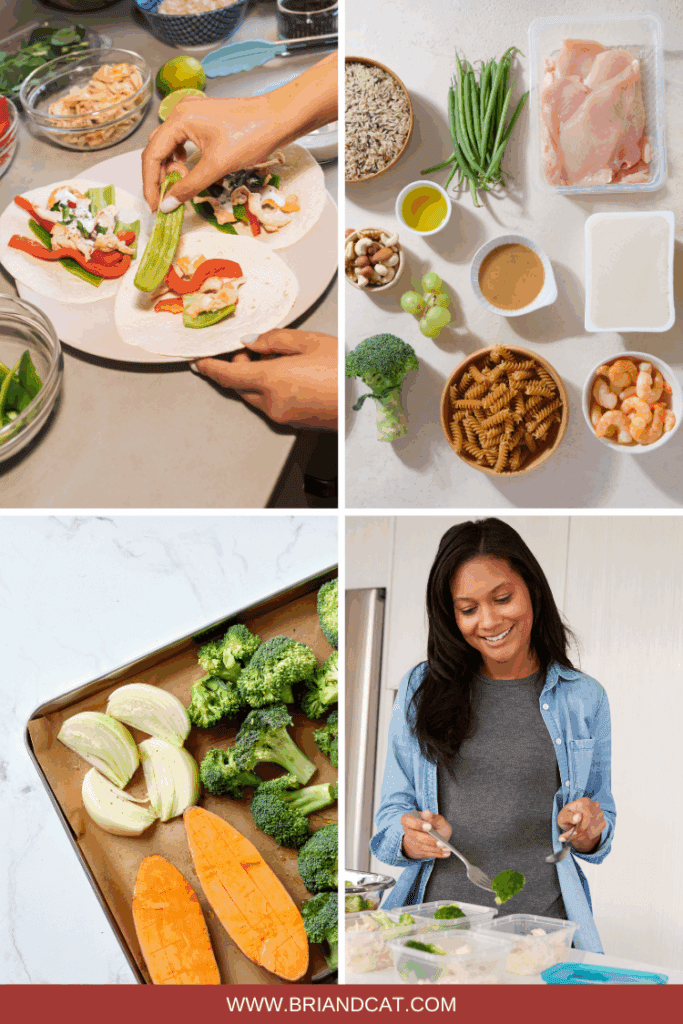
- Roast a tray of sweet potatoes and broccoli.
- Cook a big pot of rice or lentils.
- Wash and chop spinach or zucchini.
That way, when it’s 6:30 p.m. and I’m tired, I can throw things together quickly.
The Power of Repetition
One thing I had to make peace with: it’s okay to eat similar meals during the week. For a long time, I thought variety was key. But honestly, I’ve found that a little repetition makes life easier.
For example, I’ll often eat eggs for breakfast 4–5 days a week. Lunch might rotate between a grain bowl and a lentil soup. Dinner changes more often because that’s when I enjoy cooking, but even then, the same core ingredients show up.
Instead of feeling bored, I feel less stressed. Decision fatigue disappears when you know what’s on the menu.
My Go-To Pantry Staples for Simple Meal Planning
One thing that makes simple meal planning much easier for me is keeping a well-stocked pantry. Even when I don’t have fresh groceries, I can pull together a meal if I have a few reliable items on hand. I don’t go overboard, I just keep a short list of staples that I know I’ll use every week.
Here are the pantry items I always reach for:
- Canned beans (chickpeas, black beans, lentils) – perfect for soups, salads, and quick protein boosts.
- Grains (rice, quinoa, oats) – versatile bases for breakfast, lunch, and dinner.
- Tomato products (canned tomatoes, tomato paste) – sauces, soups, and stews come together fast.
- Olive oil – my everyday cooking oil and salad base.
- Spices (garlic powder, cumin, smoked paprika, chili flakes) – flavor without fuss.
- Nuts and seeds (almonds, pumpkin seeds, chia seeds) – great for snacks, yogurt bowls, or adding crunch.
- Broth cubes or cartons – instant soup starter.
Having these on hand means I never feel stuck. For example, on a night when the fridge looks empty, I can whip up a pot of lentil soup with canned lentils, tomato paste, broth, and spices, and it tastes like I spent hours cooking.
How to Involve the Whole Family in Simple Meal Planning
When I first started simple meal planning, I did everything myself, choosing recipes, writing lists, prepping food. It worked, but it also felt like a lot. Over time, I realized meal planning doesn’t have to be a one-person job. If you live with family, kids, or even roommates, you can share the load and make it fun.
Here are some ways I involve others:
- Ask for input. Each person picks one meal for the week. This prevents me from running out of ideas and ensures everyone has something they’re excited to eat.
- Delegate small tasks. Kids can wash veggies, stir pots, or set the table. My partner often takes charge of grilling or chopping while I prep sides.
- Turn prep into connection time. Instead of rushing, we’ll put on music and talk while prepping for the week. It feels less like a chore and more like a ritual.
- Create “theme nights.” Taco Tuesday, Soup Sunday, or Pasta Friday. Everyone knows what to expect, and it builds excitement.
Not only does this lighten the workload, but it also helps kids and partners feel more connected to the food they eat. Plus, when everyone’s involved, there’s less complaining at the table.
My Week of Meals
Here’s what a real week looked like recently, using my simple meal planning system:
Monday
- Breakfast: Greek yogurt with honey and walnuts
- Lunch: Lentil and spinach soup with feta
- Dinner: Salmon with rice and roasted broccoli
Tuesday
- Breakfast: Scrambled eggs with zucchini and toast
- Lunch: Chickpea salad with tomatoes and avocado
- Dinner: Chicken thighs with sweet potato mash
Wednesday
- Breakfast: Yogurt bowl again (easy win!)
- Lunch: Leftover chicken with spinach
- Dinner: Lentils with rice, garlic, and sautéed zucchini
Thursday
- Breakfast: Eggs with spinach
- Lunch: Grain bowl with quinoa, chickpeas, and avocado
- Dinner: Salmon again (no shame in repeating!) with broccoli
Friday
- Breakfast: Toast with avocado and egg
- Lunch: Leftover quinoa salad
- Dinner: Sweet potatoes topped with lentils and feta
It’s not glamorous, but it’s satisfying, healthy, and simple.

The Mistakes I Used to Make
I’ll be honest, I messed up a lot when I first tried meal planning. Some of my biggest mistakes:
- Overcomplicating recipes. I once tried making five new Pinterest meals in one week. Spoiler: it was chaos.
- Buying too many ingredients. Things went bad in the fridge, and I felt guilty wasting food.
- Not planning snacks. I’d do great at meals but end up grabbing chips or cookies when I got hungry at 3 p.m.
- Forgetting about my actual schedule. Planning big cooking nights when I had evening meetings was a disaster.
If you’ve done any of these, don’t worry, I’ve been there.
Time-Saving Hacks for Simple Meal Planning
One of the biggest reasons people avoid meal planning is the idea that it takes too much time. I used to feel that way too. But once I learned a few tricks, I realized I could save hours during the week without sacrificing flavor or nutrition.
Here are some of my favorite time-savers:
- One-pot meals. Soups, stews, and stir-fries are my go-to. Fewer dishes, less cleanup.
- Sheet pan dinners. Toss protein and veggies with olive oil and spices, spread on a pan, roast, and dinner’s done.
- Cook once, eat twice. If I make lentils on Monday, I’ll turn leftovers into tacos or soup on Wednesday.
- Double up on grains. Cooking extra rice, quinoa, or pasta at the start of the week saves me on busy nights.
- Frozen veggies are your friend. Spinach, peas, broccoli, and stir-fry blends save chopping time and don’t spoil.
- Pre-chopped or pre-washed produce. Yes, it costs a little more, but some weeks it’s worth every penny.
I used to think shortcuts were “cheating,” but now I see them as tools that keep me consistent. The less stressed I feel in the kitchen, the more likely I am to stick with my plan.
How to Make Simple Meal Planning Work for You
The beauty of this system is that it adapts to you. Whether you’re single, feeding a family, or cooking with roommates, you can tweak it. Here are some tips:
- Start small. Plan just 3 dinners and rotate leftovers.
- Think about your week. Busy nights? Plan something fast. Free night? Try a new recipe.
- Batch prep just enough. Don’t spend hours prepping if you know you won’t eat it.
- Use seasonality. In summer, I load up on tomatoes and zucchini. In winter, it’s all about sweet potatoes and kale.
Why This Matters Beyond Food
Here’s the thing I didn’t expect: simple meal planning gave me more than just food on the table. It gave me mental clarity. I stopped stressing about dinner. I freed up brain space for other things, work, hobbies, even rest.
I also started enjoying food more. When I wasn’t scrambling at the last minute, I could sit down and savor meals. Cooking stopped feeling like a chore and started feeling like a grounding ritual.
Simple meal planning isn’t about perfection. It’s about ease. It’s about creating nourishing meals without overwhelm. It’s about giving yourself grace when life gets busy.
If you’ve been overcomplicating your meals, try stripping it back. Choose a handful of ingredients, plan simple combinations, and let repetition work in your favor. You’ll save time, money, and stress, and maybe, like me, you’ll even start to love cooking again.
With love,
Bri & Cat
Related Posts You Might Like:
How to Grocery Shop Like a Minimalist and Cut Your Food Bill in Half in 8 Steps
The Ultimate Meal Prep Toolkit: Essentials That Make Consistency Easier (Even When You’re Busy)
The Best Sloppy Enchilada Skillet (Kid‑Approved Lunch That Came From Daycare!)
Leave a Reply