
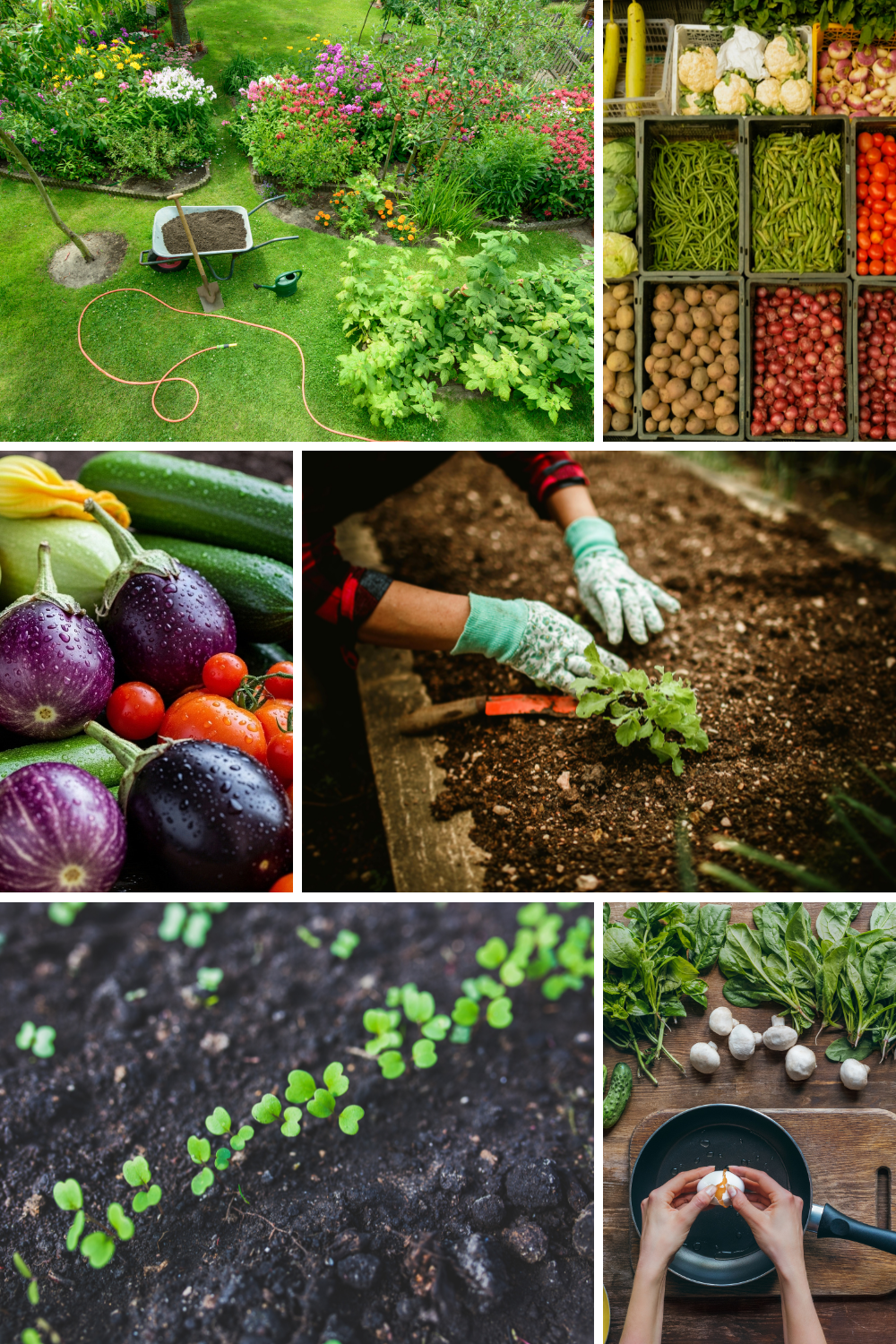
This site contains affiliate links, view the disclaimer page for more information.
When I first got my hands into the soil a few years ago, I had no clue what I was doing, but I quickly learned that the easiest vegetables for beginner gardeners can make all the difference between a fun hobby and a frustrating one.
I used to think gardening was for people with perfect sun-drenched yards and fancy tools. Spoiler: it’s not. My first garden was a tiny, uneven patch behind my apartment. I didn’t have raised beds or a greenhouse. I had a few pots, a lot of enthusiasm, and some seed packets I bought on sale. But with a little trial and error (okay, a lot), I figured out what thrives without fuss, and what’s better left for seasoned green thumbs.
If you’re dreaming of picking fresh veggies from your own garden without the overwhelm, this post is for you. I’m going to walk you through the easiest vegetables for beginner gardeners, stuff you can grow in containers, backyards, or even small balconies. No green thumb required.
Table of Contents
Why Start With Easy Vegetables?
Because confidence is everything.
Gardening can be incredibly satisfying, but if your first attempt ends in wilted plants or zero harvest, it can feel defeating. The vegetables I’m going to share grow quickly, don’t need a lot of babysitting, and give you visible, edible rewards pretty fast.
And once you taste a tomato straight off the vine or snap a pea pod in half on a warm morning, even with coffee in hand- you’ll be hooked.
My Go-To List: The Easiest Vegetables for Beginner Gardeners
Here are the beginner-friendly all-stars that I swear by. Some are quick growers. Some are nearly impossible to mess up. All of them are perfect for first-timers.

1. Radishes
Time to harvest: As little as 3-4 weeks
Why I love them: Instant gratification.
Radishes were one of the first things I grew that actually looked like real vegetables. You scatter some seeds, water a little, and boom, tiny green shoots appear in days. You can harvest them in under a month. I remember pulling up my first radish like it was buried treasure. They don’t even need deep soil or tons of sun.
Pro tip: Try “Cherry Belle” radishes. They’re reliable and mild.
2. Leaf Lettuce
Time to harvest: 30–45 days
Why it’s easy: Grows in shallow containers and regrows after cutting.
Lettuce loves cool weather and grows quickly from seed. I plant a mix of seeds in these planter boxes and call it my “salad box.” Just snip off what you need, and it keeps growing back for weeks.
Plus, who doesn’t love saying, “This salad? I grew it myself.”
3. Green Beans (Bush Variety)
Time to harvest: 45–60 days
Why beginners love it: No staking or trellising needed with bush beans.
The first summer I planted green beans, I didn’t expect much. But they took off. Every morning, I’d find more little green pods dangling from the plants like ornaments. Bush beans don’t sprawl too much, so they’re great for containers or small raised beds.
Bonus: They actually improve your soil by fixing nitrogen. Gardening nerd points, earned.
4. Zucchini
Time to harvest: 50–60 days
Why it’s a garden MVP: High yields and minimal care.
Zucchini is famous for being prolific. If you plant even one or two zucchini plants, prepare to be giving them away to neighbors by midsummer. The leaves get big, and they shade out weeds, which is a win. I’ve even grown zucchini in a 5-gallon bucket and still got a solid harvest.
Word of warning: Check the plants often, zucchini hides under those big leaves and can go from tiny to baseball bat overnight.
5. Cherry Tomatoes
Time to harvest: 60–75 days
Why I recommend them: Less fussy and more productive than large tomato varieties.
If you’ve ever eaten a sun-warmed cherry tomato straight from the vine, you know why these made my list. They’re easier than big slicing tomatoes, especially in these cute containers from AMAZON. I’ve had great luck with “Sun Gold” and “Sweet 100.”
Pro tip: Start with a seedling from a local nursery if you’re nervous about starting from seed. If you want to start from seed- check out the blog here for tips and tricks!
6. Peas (Sugar Snap or Snow Peas)
Time to harvest: 50–65 days
Why they’re perfect: Cool-weather, fast growers with sweet pods.
Peas are like garden candy. I plant them as soon as the soil is workable in early spring. You’ll need a little support (like bamboo sticks or a A frame trellis like this from AMAZON), but that’s part of the fun. Watching those tendrils climb is magic.
And yes, I’ve eaten more than one straight off the vine without even rinsing. Nature’s snack.
7. Spinach
Time to harvest: 30–40 days
Why it’s great: Hardy, cool-weather green that grows quickly.
Spinach was a surprise hit for me. It doesn’t bolt (go to seed) as fast as lettuce and does well even in partial sun. I grow it in the early spring and fall, and I love tossing the baby leaves into everything from smoothies to pasta dishes. I love this basic lettuce and greens seeds mix!
Bonus: You can freeze the extra for soups and stews later.
8. Scallions (Green Onions)
Time to harvest: 60–80 days (but can harvest young)
Why they’re beginner gold: Regrow from grocery store scraps.
Here’s the secret: I didn’t even buy scallion seeds the first time. I took the root ends from grocery store green onions, stuck them in a pot of soil, and watched them regrow. You can harvest again and again. They take up almost no space and need very little attention.
Great for garnishes, stir-fry, and feeling like a gardening genius.
Real-Life Wins
I have a friend that lives in a city apartment with no yard, just a fire escape and a windowsill. After seeing my container garden one day, she started her own with lettuce, cherry tomatoes, and basil in these window planter boxes (which I now use too). She sent me pictures two months later, big leafy greens and little red tomatoes on her kitchen counter. All grown by her.
You don’t need a massive yard or years of experience to grow your own food. But… you do need to choose the right veggies.
Tips for Beginner Gardeners That I Wish I Knew Earlier
To save you some time and a few dead plants:
- Start small. A couple of containers or a 4×4 raised bed is plenty.
- Don’t overwater. Stick your finger in the soil. If it feels moist an inch down, wait.
- Label your seeds. I once mixed up lettuce and broccoli seedlings- very different!
- Use good soil. Invest in quality potting mix or raised bed soil, worth the few extra dollars.
- Watch the sun. Most veggies need 6-8+ hours of direct sunlight. Choose your spot wisely.
- Start with seedlings for the tricky stuff. Tomatoes, peppers, and herbs are easier if you buy starts from a nursery.
Why Growing Your Own Veggies Matters
Besides the joy of eating something you grew with your own hands?
- It saves money. A $2 pack of seeds can yield weeks of food.
- It reduces waste. No plastic produce packaging.
- It boosts your mental health. Seriously, gardening is therapy. Dirt is cheaper than a shrink! (But really it is nature’s antidepressant!)
- It builds confidence. Watching a seed become a plant makes you feel like a magician.
There’s something deeply grounding about putting your hands in the soil. On hard days, I’ll take a cup of coffee out to my garden, check on my plants, and just… breathe. The quiet joy of watching things grow is healing in a way I didn’t expect.
Ready to Grow?
Whether you’ve got a big backyard or a sunny windowsill, you can grow your own vegetables. Start simple. Start small. And most importantly, start.
To recap, the easiest vegetables for beginner gardeners include:
- Radishes
- Lettuce
- Green beans
- Zucchini
- Cherry tomatoes
- Peas
- Spinach
- Scallions
You don’t need to grow them all. Pick one or two, give them some love, and watch the magic happen. Let me know what you’re growing this season, I’d love to cheer you on!
Have questions about starting your first veggie garden? Drop them in the comments, I’ll answer every one!
With love,
Bri & Cat
Related Posts You Might Like:
Companion Planting: A Busy Mom’s Guide
Affiliate Disclaimer:
As an Amazon Associate I earn from qualifying purchases. This comes at no additional cost to you. We only recommend products that we believe will add value to our readers.
Leave a Reply