

This site contains affiliate links, view the disclaimer page for more information.
Frozen immunity cubes are one of those recipes I didn’t expect to rely on as much as I do, but once they earned a permanent spot in my freezer, they never left.
I’m a planner in the kitchen. I batch cook. I prep ahead. I freeze sauces, broths, pestos, and marinades because I know how much easier life feels when the work is already done. These frozen immunity cubes fit into that same category for me. They’re not trendy. They’re not flashy. They’re practical, well-balanced, and incredibly useful.
They’re the kind of recipe that quietly supports your routine instead of demanding attention from it. And if you cook even a little, especially during fall and winter, you’ll understand why.
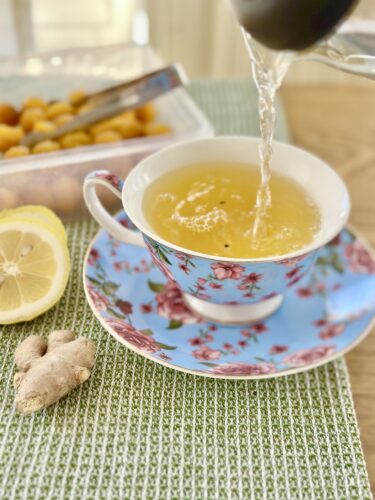
Table of Contents
The Problem This Recipe Solves
Most “immune-boosting” recipes sound good in theory but fall apart in practice.
They require:
- Fresh ingredients every single time
- Multiple steps when you’re already tired and run down
- Standing in the kitchen when all you want is something warm now
I’ve been there. In the kitchen with a lemon in one hand, ginger in the other, realizing I don’t actually have the energy to peel, chop, strain, and clean up, especially when I’m already feeling run down. That’s where frozen immunity cubes change everything. You do the work once. You store it. And then you benefit from it over and over again.
What Frozen Immunity Cubes Are
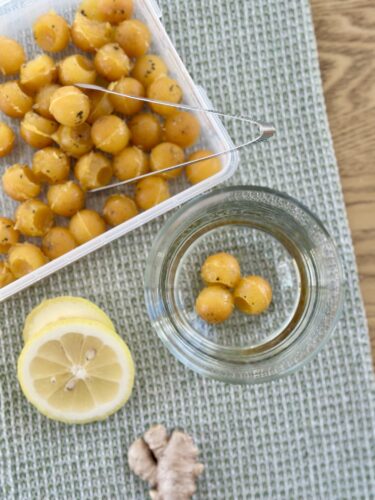
At their core, frozen immunity cubes are a strained citrus-ginger concentrate that you freeze into small portions and use as needed.
Think of them like:
- A freezer-ready citrus syrup
- A ginger-forward base for hot or cold drinks
- A flexible flavor concentrate you can dilute to taste
They’re intentionally neutral enough to work in multiple formats, but flavorful enough to stand on their own.
Why I Treat This Like a Recipe, Not a Remedy
I approach recipes like this as a recipe developer first, not a wellness influencer, and that distinction shapes every decision I make in the kitchen. I’m not chasing trends or dramatic claims, I’m focused on whether a recipe actually works in reality. Does it taste good enough that you’ll want it again tomorrow? Does it feel intentional, or does it feel like something you’re forcing yourself to consume because it’s “healthy”? If the answer isn’t clear and confident, the recipe isn’t finished.
Flavor and texture matter just as much here as they would in any other recipe. Citrus that’s too bitter, ginger that’s too sharp, or spices that settle into an unpleasant grit will stop people from making something again, no matter how beneficial it’s supposed to be. Your brain reacts to taste and mouthfeel first, long before it cares about ingredients or benefits. That’s why I strain the base, why I add spices after blending, and why I pay attention to how everything behaves once frozen and reheated.
Usability is the final piece, and it’s often the most important. A recipe can be well-balanced and thoughtfully developed, but if it’s awkward to use, messy to store, or requires extra effort at the exact moment you’re tired or not feeling great, it won’t last. Every step in this recipe exists to make it smoother, more reliable, and easier to reach for without thinking. Not because it’s complicated, but because it works.
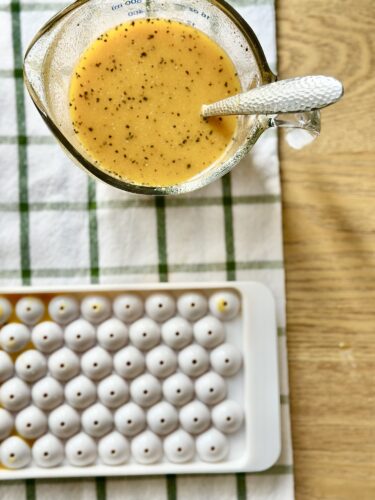
The Immune Support Behind Each Ingredient
While I always develop recipes with flavor, texture, and usability first, the ingredient list here is very intentional. Each component brings something specific to the table, and together they create a base that’s both functional and enjoyable to use regularly.
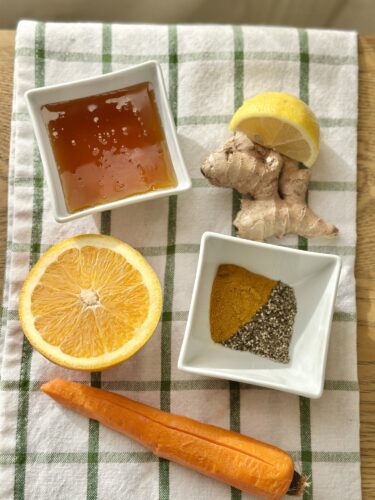
Orange
Oranges provide natural vitamin C along with hydration and gentle sweetness that makes this recipe pleasant to drink. Vitamin C supports normal immune function and helps reduce oxidative stress in the body, but from a cooking perspective, the orange also balances the sharpness of the lemon and the heat of the ginger. Peeling the orange keeps bitterness in check while still delivering brightness and body.
Lemon (with the peel)
Lemon contributes more than just acidity. Using the peel adds bioflavonoids and aromatic citrus oils, which support immune health and give the base a more complex, layered flavor. Once blended and strained, the bitterness softens, leaving a clean, vibrant citrus backbone that makes the cubes taste fresh even after freezing.
Ginger
Ginger is one of the most consistently useful ingredients for immune support. It’s naturally warming, supports circulation, and has long been used to help the body respond to inflammation. In this recipe, ginger also plays a major role in flavor, it gives the cubes depth and that unmistakable “feel better” quality without overwhelming the citrus once strained and diluted.
Carrot
Carrots contribute beta-carotene, which the body converts to vitamin A, an important nutrient for immune and respiratory health. From a recipe standpoint, carrot adds subtle sweetness and rounds out the sharp edges of the citrus and ginger. It’s optional, but especially nice during colder months when you want a slightly richer base.
Turmeric
Turmeric is included for its anti-inflammatory properties and overall immune support. It adds warmth and earthiness to the drink, making it feel grounding rather than sharp. Adding turmeric after straining ensures it disperses evenly without creating a gritty texture.
Black Pepper
Black pepper supports the absorption of curcumin, the active compound in turmeric, making the pairing more effective. It also adds a subtle heat that balances the sweetness of the honey and the brightness of the citrus. Because it settles easily, stirring before freezing is key to keeping the flavor consistent.
Honey (or Maple Syrup)
Raw honey has natural antimicrobial properties and is often used to soothe the throat, especially during cold and flu season. It also plays a critical role in making this recipe approachable, balancing acidity, softening spice, and giving the cubes a smooth finish. Maple syrup works well as a plant-based alternative with similar balancing effects.
Coconut Milk (optional)
While not an immune ingredient on its own, coconut milk adds healthy fats that help the body absorb fat-soluble compounds like curcumin from turmeric. It also makes the cubes feel richer and more comforting when used in hot drinks.
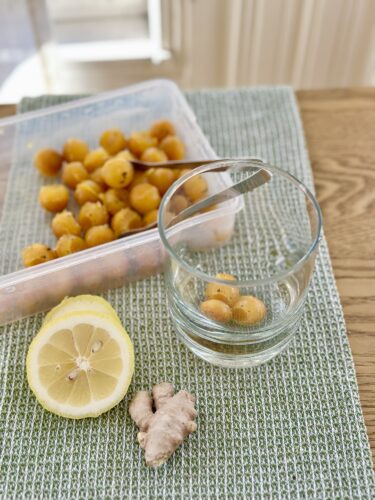
Optional Add-Ins (* see disclaimer)
Camu camu adds a concentrated source of vitamin C without dramatically changing flavor. Echinacea is often used short-term to support immune response, especially at the first sign of feeling run down. Oregano oil is potent and best used sparingly, offering strong antimicrobial support when needed. These are intentionally optional, the base recipe stands on its own without them.
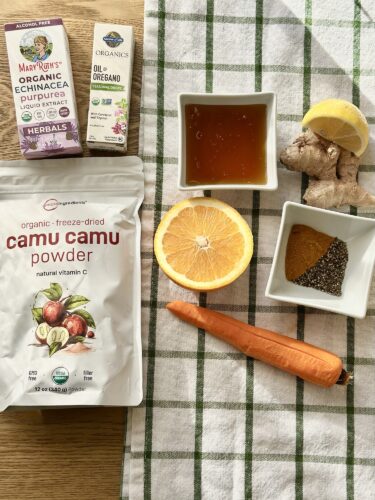
Taken together, these ingredients create a recipe that supports immune health without leaning into extremes. It’s food-first, balanced, and designed to be used regularly, which is ultimately what makes any nourishing habit effective.
Ingredient Breakdown:
I’m very intentional about what goes into these frozen immunity cubes. This isn’t a “throw everything in the blender” situation.

Navel Orange (Peeled)
The peeled navel orange provides natural sweetness, body, and balance against the lemon. Peeling the orange is important. Orange pith is bitter, and unlike lemon peel, it doesn’t mellow as nicely once strained. Removing it keeps the final flavor clean and drinkable.
Lemon (With the Peel)
The lemon peel is where much of the magic happens, adding bright acidity, depth, and citrus oils that make the drink feel fresh and intentional, while straining and sweetening softens the bitterness into a balanced, complex flavor.
Fresh Ginger
Fresh ginger is the backbone of this recipe, adding warmth, spice, and that unmistakable “feel better” quality, and I use more than you might expect because it mellows once strained and dilutes when the cubes are used, solving the problem of weak, underwhelming ginger tea.
Carrot
It adds subtle sweetness, a touch of earthiness, and a rounder mouthfeel, making it especially nice for hot drinks where the carrot adds body without competing with the citrus.
Water vs. Coconut Water
I’ve tested both options, and each has its strengths. Water creates a clean, neutral base that lets the citrus and ginger shine. Coconut water adds a touch of natural sweetness and some extra minerals. Either way, the flavor stays balanced and neither option overwhelms the citrus.
Adding Turmeric, Pepper, and Honey After Straining Out The Pulp

Once the base is strained, this is where the recipe becomes layered and balanced.
Turmeric
I use ground turmeric here for consistency and ease. It disperses evenly and adds warmth without overpowering the citrus.
Black Pepper
Black pepper does two things: it supports turmeric absorption and adds subtle heat and balance, but because it settles, always stir well before pouring into molds.
Honey (or Maple Syrup)
Sweetener isn’t optional in this recipe because balance matters, and honey adds sweetness, body, and a smoother finish, while maple syrup works beautifully as a vegan alternative.
Coconut Milk (Optional)
This turns the cubes into a concentrate for golden milk–style drinks, adding creaminess, richness, and a softer, more comforting texture, which I include when I plan to use them mostly hot.
Optional Add-Ins
These three are all truly optional, and I don’t include them every time. (* see disclaimer about taking supplements)
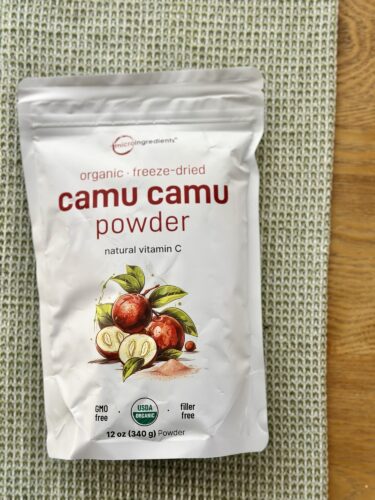
Camu Camu
Camu camu is a concentrated vitamin C source that blends easily into the strained base, and I add it when I want extra immune support without significantly altering the flavor.
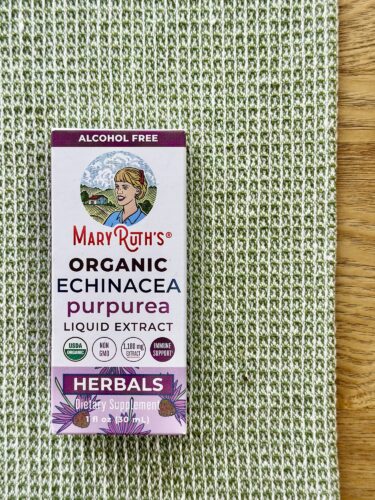
Echinacea
Echinacea is a short-term, situational ingredient in this recipe, which I don’t use daily or long-term. I include it mainly at the first sign of feeling run down, as it’s traditionally thought to support the immune system and help the body respond to seasonal stressors. It may help reduce the duration or severity of minor colds and respiratory discomfort, making it a useful boost when you need it most. Because its effects are intended for short-term use, I reserve it for specific moments rather than making it a daily habit.
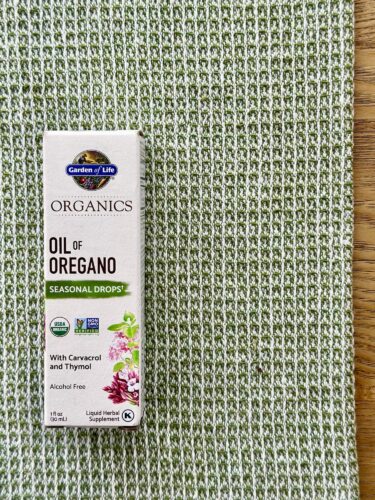
Oregano Oil
Oregano oil is potent, strong, and effective, but only when used correctly. Always use food-grade, diluted oregano oil in small amounts, treat it as optional, and avoid using it if you are pregnant or breastfeeding, as it may pose risks. Skipping it doesn’t make the recipe any less effective or useful.
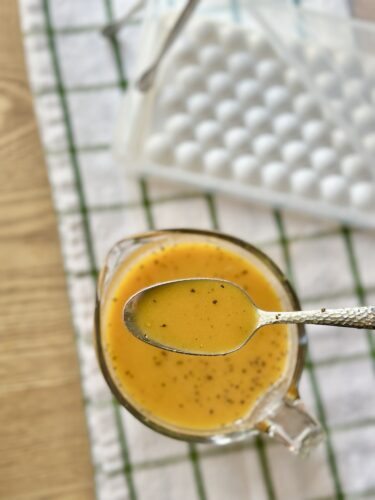
Turmeric Staining Note
Turmeric is powerful in both color and flavor, and it can stain surfaces if you’re not careful. When working with turmeric, especially ground turmeric, I recommend covering light-colored countertops or working over a cutting board or towel. If any spills happen, wipe them up right away with a damp cloth before the color has time to set. This is especially important around grout, wood, and porous stone surfaces, which can absorb the pigment quickly.
Step-by-Step Instructions
1. Blend the base
Add the orange, lemon, carrot, ginger, and water (or coconut water) to a high-speed blender. Blend until completely smooth, about 2–4 minutes.
Tip: Longer blending extracts more from the ginger and citrus peel.
2. Strain
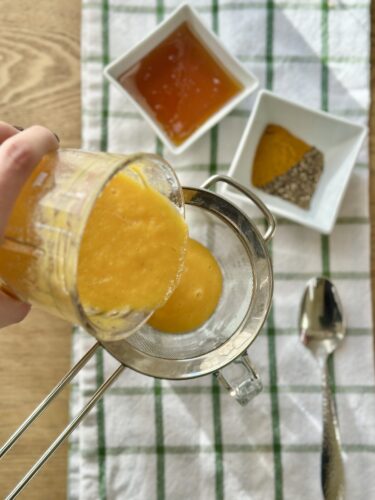
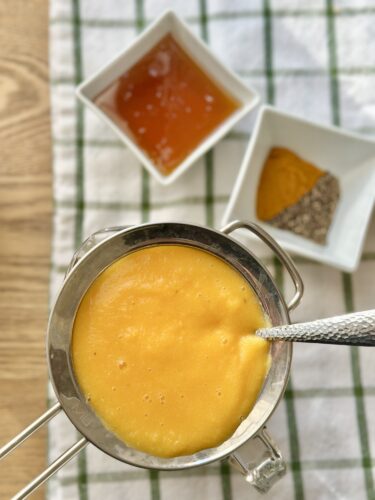
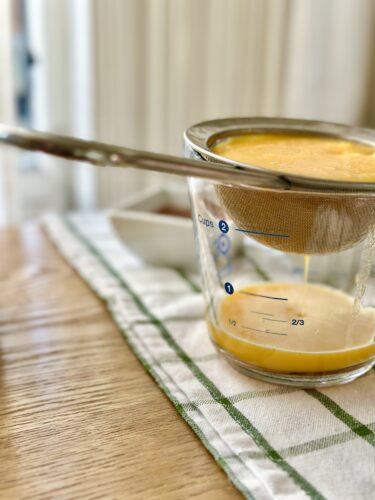
Strain through a nut milk bag or fine-mesh sieve into a large bowl or measuring cup. Press firmly to extract as much liquid as possible. Discard the pulp.
3. Add spices and sweetener
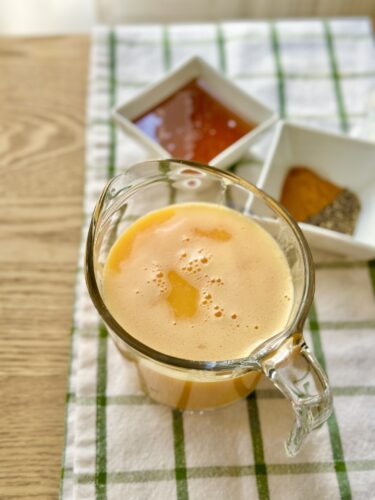
Whisk turmeric, black pepper, and honey into the strained liquid.
4. Add optional ingredients * (see disclaimer)
If using camu camu, echinacea, or oregano oil, stir them in now.
5. Stir before pouring
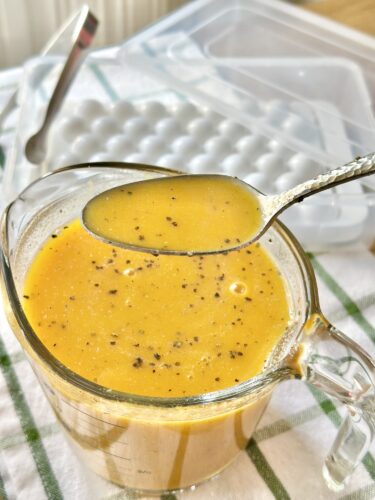
Pepper settles quickly. Stir well before filling molds.
6. Freeze
Pour into silicone molds or ice cube trays. Freeze until solid, then transfer to a freezer-safe container.
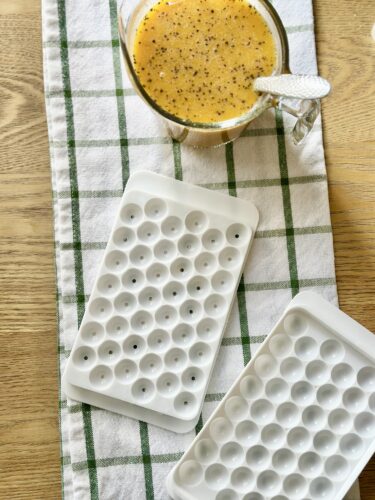
Best Ice Cube Trays to Use
When it comes to ice cube trays, flexibility matters. I like silicone trays best because the cubes release cleanly without cracking or struggling, especially with thicker mixtures like this one. Standard cube trays work fine if that’s what you have, but larger square molds are great if you plan to use the cubes for hot drinks and want a more concentrated base. The main thing is choosing a tray that fits how you’ll actually use them, easy release means you’re far more likely to keep making them.
Why the Base Is Blended and Strained First
This is the single most important technique in the entire recipe. In early versions, I threw everything into the blender at once and froze it. It worked, technically, but it wasn’t as pleasant to drink. Here’s what I learned. Blending and straining only the fresh produce and water gives you:
- A smoother liquid
- Cleaner citrus flavor
- Better control over spice distribution
It also removes excess fiber and bitterness from the peels and ginger, which can become overwhelming when frozen and reheated.

How I Use Frozen Immunity Cubes
This is where the recipe becomes truly versatile, and honestly, where it earns its place in my freezer. These cubes aren’t locked into one “right” way to use them. They’re designed to flex with how you feel that day, the time you have, and what sounds appealing in the moment.
Hot Drink
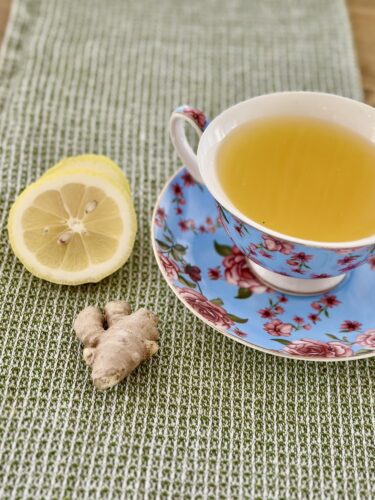
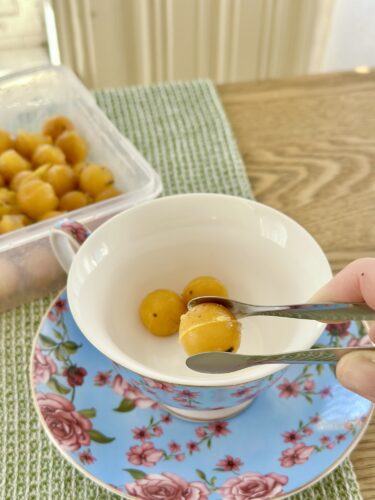
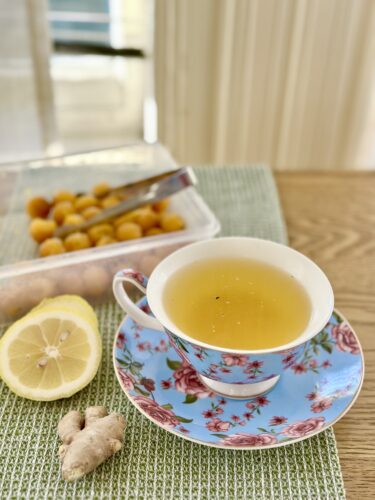
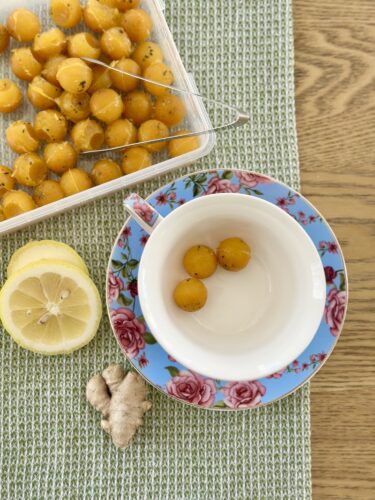
This is how I use them most often. I add 2–3 cubes to a mug and pour hot, not boiling, water over them, then stir until fully dissolved. Boiling water can dull the citrus and honey, so slightly cooler hot water keeps the flavor brighter and more balanced. The result is something closer to a light, citrusy tea than a heavy tonic: warming, gently spicy from the ginger, and easy to sip. If I’ve added coconut milk to the batch, it almost reads like a thin golden latte, especially cozy in the afternoon or evening.
Over Ice
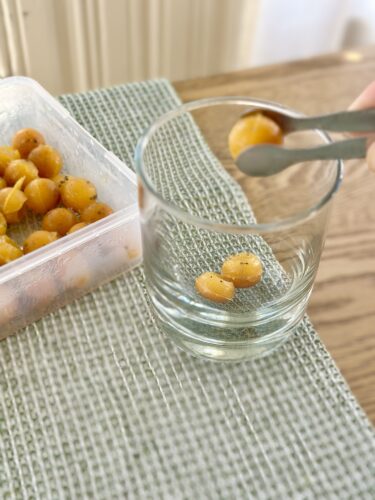
When I don’t want something warm, I let a few cubes melt with water for a cold, refreshing drink. This works surprisingly well, especially if you used coconut water in the base. As the cubes melt slowly, the flavor stays bright and clean instead of diluted all at once. It’s a great option when you want hydration with a little boost behind it, something more interesting than plain water, but not as heavy as juice.
Morning Shot
On busy mornings, I thaw 1–2 cubes overnight in the fridge and drink them straight. This is the most concentrated way to use them, and it’s perfect when you don’t have time to make anything or just want to get it over with quickly. Because the base is strained and balanced, it goes down smoothly without that harsh, gritty feeling that a lot of “shots” have. I treat this as an option, not a requirement, some days I want it, other days I don’t.
Smoothies
These cubes also work beautifully in smoothies. I’ll drop one straight into the blender instead of using fresh citrus or ginger, especially when I’m short on prep time. They add brightness, spice, and depth without watering anything down, and they pair well with ingredients like banana, mango, pineapple, greens, or vanilla protein. It’s an easy way to layer flavor without pulling out extra ingredients.
The point is flexibility. Whether you want something warm, cold, quick, or blended, the cubes adapt, which is exactly why they get used instead of forgotten.
Storage, Shelf Life, and Scaling
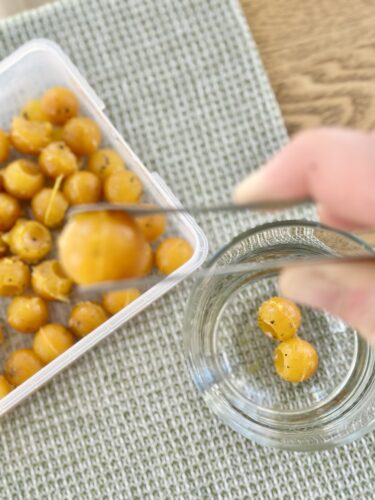
Once the cubes are fully frozen, I transfer them to an airtight container or freezer-safe bag to prevent freezer burn and keep the flavor clean. I always label the container with the date, because once you start making these regularly, batches can blur together. For best flavor and freshness, I aim to use them within two to three months, though they rarely last that long in my freezer. I almost always double the batch, because once you start reaching for them regularly, they disappear much faster than you expect.
Frozen Immunity Cubes Recipe
Ingredients
- 1 navel orange, peeled and chopped
- 1 lemon, chopped with peel
- 1 carrot, chopped (optional)
- 2–3 inches fresh ginger, washed and chopped
- 2 cups water or coconut water
- 1 teaspoon ground turmeric
- 1 teaspoon black pepper
- ⅓ cup raw honey or maple syrup
- ½ cup coconut milk (optional, for creamier cubes)
Optional Add-Ins * (see disclaimer)
- Camu camu powder
- Echinacea (tincture food-grade)
- Food-grade, diluted oregano oil (use sparingly)
Instructions
- Blend: Add orange, lemon, carrot, ginger, and water to a high-speed blender. Blend until completely smooth.
- Strain: Strain the mixture through a fine-mesh sieve or nut milk bag into a bowl or large measuring cup.
- Finish: Whisk in turmeric, black pepper, honey (or maple syrup), and coconut milk if using. Stir well, pepper settles.
- Add Optional Supplements*: If using camu camu, echinacea, or oregano oil, stir them in now.
- Freeze: Pour into ice cube trays. Freeze until solid.
- Store: Transfer cubes to an airtight container. Label and use within 2–3 months.
How to Use
- Hot Drink: Add 2–3 cubes to a mug and cover with hot (not boiling) water.
- Cold Drink: Let cubes melt with cold water for a refreshing drink.
- Morning Shot: Thaw 1–2 cubes overnight and drink straight.
- Smoothies: Add 1 cube to smoothies for citrus and ginger flavor.
Note: Always stir before pouring into molds. Optional supplements are not required for the recipe to work.
This recipe works because it’s make-ahead friendly, which means the effort happens once instead of every time you want to use it. It’s flexible enough to work hot, cold, blended, or straight, without needing adjustments or extra ingredients. The flavor is balanced and the texture is smooth, so it feels intentional and enjoyable instead of harsh or medicinal. Most importantly, it integrates easily into daily routines, no special timing, no complicated steps, no pressure to use it a certain way. It’s not about perfection or doing everything “right.” It’s about creating something you’ll actually reach for.
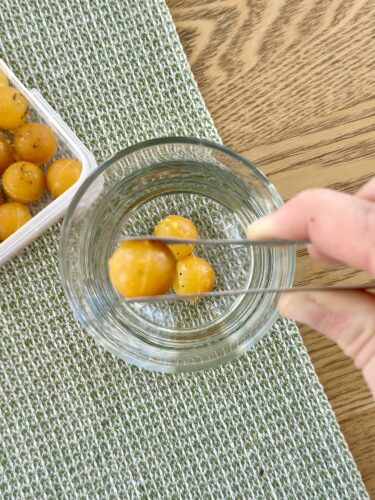
And that’s why frozen immunity cubes have earned their spot in my freezer year after year. If you make them, tweak them, or adapt them to your own kitchen, that’s exactly how they’re meant to be used.
With love,
Bri & Cat
* Disclaimer: This recipe includes optional ingredients like camu camu, echinacea, and oregano oil, which are considered dietary supplements. They are not a substitute for medical advice, diagnosis, or treatment. Always consult your healthcare provider before using supplements, especially if you are pregnant, breastfeeding, have underlying health conditions, or are taking medication.
Affiliate Disclaimer:
As an Amazon Associate I earn from qualifying purchases. This comes at no additional cost to you. We only recommend products that we believe will add value to our readers.
Frozen Immunity Cubes Recipe
Ingredients
- 1 navel orange peeled and chopped
- 1 lemon chopped with peel
- 1 carrot chopped
- 2 inches fresh ginger washed and chopped
- 2 cups water or coconut water
- 1 teaspoon ground turmeric
- 1 teaspoon black pepper
- ⅓ cup raw honey or maple syrup
- ½ cup coconut milk optional, for creamier cubes
- Camu camu powder
- Echinacea tincture food-grade
- Food-grade diluted oregano oil (use sparingly)
Method
- Blend: Add orange, lemon, carrot, ginger, and water to a high-speed blender. Blend until completely smooth.
- Strain: Strain the mixture through a fine-mesh sieve or nut milk bag into a bowl or large measuring cup.
- Finish: Whisk in turmeric, black pepper, honey (or maple syrup), and coconut milk if using. Stir well, pepper settles.
- Add Optional Supplements*: If using camu camu, echinacea, or oregano oil, stir them in now.
- Freeze: Pour into ice cube trays. Freeze until solid.
- Store: Transfer cubes to an airtight container. Label and use within 2–3 months.
Leave a Reply