
This site contains affiliate links, view the disclaimer page for more information.
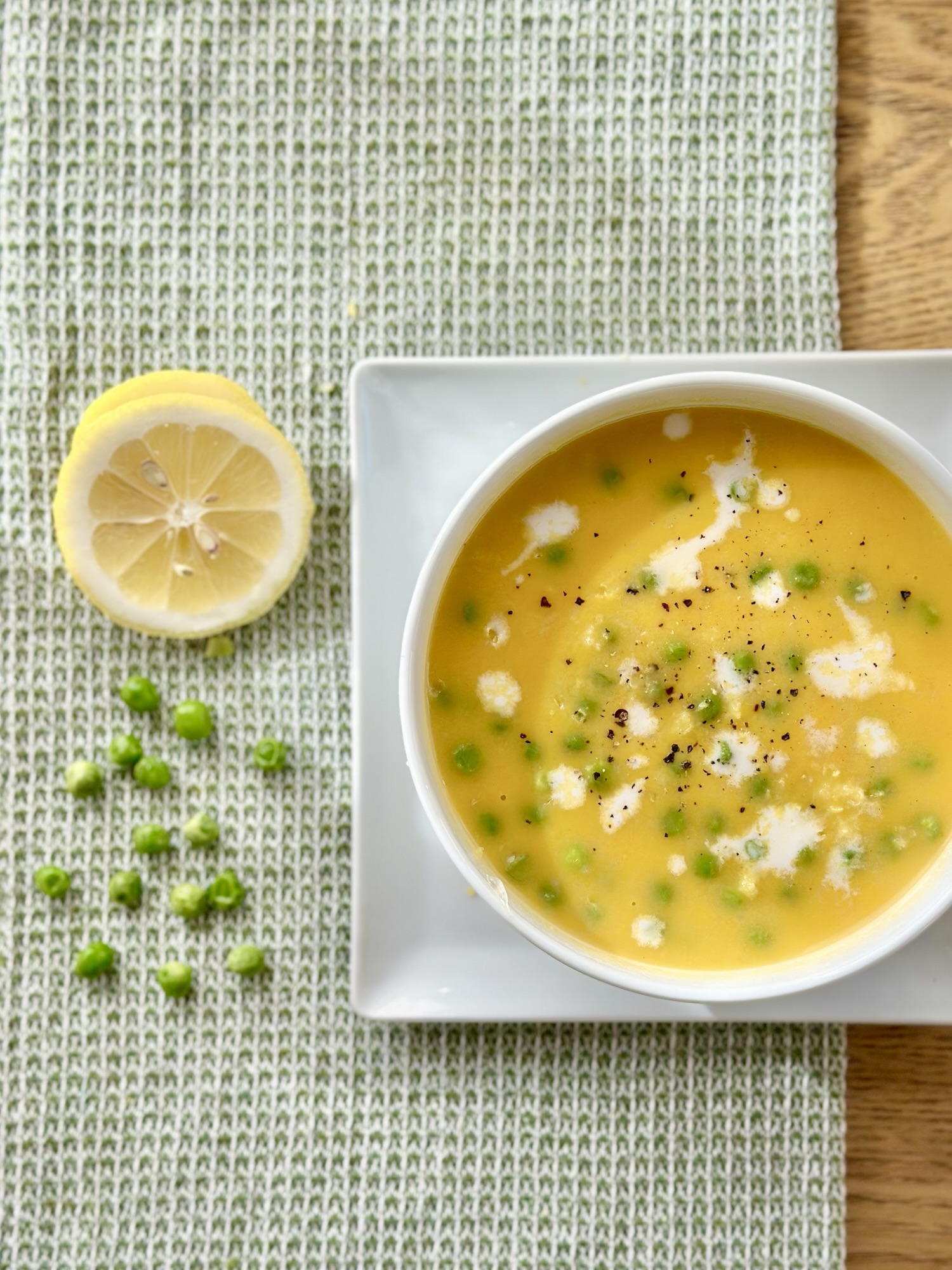
The first time I made this Lemon Coconut Soup, I wasn’t trying to invent anything new, I was just trying to save a pot of vegetables from feeling boring. It’s the kind of soup I make when the fridge looks unimpressive, when the weather can’t decide what season it is, or when I want something comforting that doesn’t leave me feeling weighed down afterward. It’s warm but bright. Creamy but not heavy. Familiar, but just different enough to feel special.
I’ve made versions of this soup while pregnant and craving citrus. I’ve made it on rainy spring afternoons when winter won’t quite let go. I’ve made it for friends who “don’t really like coconut” and watched them go back for seconds anyway. And every time, it works. Not because it’s flashy. But because its light and respects balance.

Table of Contents
Why Lemon Coconut Soup Works So Well
I’ve been cooking long enough to know that the best recipes usually aren’t the ones with the longest ingredient lists. They’re the ones where each ingredient has a purpose and nothing feels extra. This soup is a great example of that kind of balance.
The vegetables create a familiar, savory base that feels comforting right away. Blending part of the broth gives the soup a lightly creamy texture without making it heavy. The couscous adds substance and makes the soup feel satisfying, while still keeping it light. Chickpeas bring protein and help the soup feel filling, but they don’t overpower the broth. Coconut cream rounds everything out and adds richness, and the lemon at the end brightens the entire pot and keeps the flavors from feeling flat.
I’ve learned over the years, especially with soups, that it’s easy to overdo it. Too many spices, too many add-ins, too many competing flavors. But the soups I make on repeat are the ones that stay simple and balanced. This Lemon Coconut Soup works because every ingredient contributes something important, and nothing competes for attention.

The Kind of Soup I Actually Want to Eat
I love the idea of hearty vegetable soups, but in reality, they don’t always hit the mark for me. Some end up too brothy and thin, others are so thick they feel more like stew, and sometimes it just tastes like a bowl of plain cooked vegetables. Filling, sure, but not something I’m excited to go back for.
What I really want is something in the middle. I want a soup with a satisfying spoonful, a broth that has some body without being heavy, enough texture to keep it interesting, and enough brightness that I don’t get bored halfway through the bowl.
This soup does exactly that. The lightly blended broth gives it a creamy feel without weighing it down. The couscous cooks off the heat and absorbs flavor while staying tender. The chickpeas make it filling, but the soup still feels light and brothy rather than dense.
And the lemon? That’s what pulls everything together and keeps you reaching for another bowl.

A Quick Note on Coconut Cream
Yes, this soup uses coconut cream, but it doesn’t taste sweet, and it’s definitely not a curry. The coconut cream isn’t meant to stand out on its own. Instead, it adds a subtle richness that gives the broth more body and smooths out the sharpness of the lemon.
Think of it the same way you’d add a splash of cream to tomato soup. It doesn’t change the flavor entirely, it just brings everything together. The coconut cream makes the soup feel richer and more satisfying without overpowering the vegetables or citrus notes.

Lemon Coconut Soup Ingredients
This recipe serves about 4–6 people, depending on how generous your bowls are.
Ingredients
- 1–2 tablespoons olive oil
- 1 medium onion, diced
- 2 carrots, chopped
- 3 celery stalks, chopped
- 3 cloves garlic, minced
- 8 cups vegetable broth
- 3 bay leaves
- ¾ cup couscous
- 1 (15 oz) can chickpeas with their liquid
- 1 can coconut cream
- Zest of 1 lemon
- Juice of 1 lemon
- 1 cup frozen peas
- Salt and black pepper, to taste
That’s it. No specialty ingredients. No complicated prep. Just solid basics used well.
How I Make This Lemon Coconut Soup (And Why Each Step Matters)
Step 1: Build the Base Slowly
Heat the olive oil in a large pot over medium heat. Add the onion, carrots, and celery. Let them sauté for 5–7 minutes.


Step 2: Add the Garlic
Add the minced garlic and cook for 1–2 minutes, just until fragrant.
If you cook garlic too long here, it turns bitter. If you add it too late, it feels sharp. This short window is perfect.

Step 3: Simmer the Broth
Pour in the vegetable broth and add the bay leaves. Bring everything to a gentle simmer and let it cook for 15-20 minutes. This step gives the vegetables time to soften completely and infuse the broth. Your kitchen should smell like “soup is happening.”

Step 4: Remove Bay Leaves and Blend
Take out the bay leaves and discard them. Then use an immersion blender to blend the soup until it’s lightly creamy but still rustic. This is important. You’re not making a purée. You’re just giving the broth body.
I like to blend about half the soup, moving the blender around instead of holding it in one place. If you prefer a smoother soup then blend completely. This step is what makes the soup feel comforting without being heavy.


Step 5: Add Couscous and Chickpeas
Stir in the couscous and the chickpeas with their liquid. That chickpea liquid matters. It adds starch and richness that thickens the soup naturally. Turn off the heat. Cover the pot. Let it sit for 5 minutes. The couscous cooks gently, soaking up flavor without turning gummy.

Step 6: Finish with Lemon and Coconut Cream
After the couscous is tender and the soup is still warm, stir in:
- The juice of one lemon
- One can of coconut cream
- 1 cup of frozen peas


Season the soup generously with salt and black pepper, this is the moment when all the flavors really come alive. Taste it, and don’t be afraid to adjust: a little more salt, an extra squeeze of lemon, or a pinch more pepper can make all the difference. Trust yourself here.
Step 7: The Final Touches
Finish the soup with:
- Lemon zest
- A drizzle of coconut cream
- Freshly cracked black pepper
Sometimes I add the frozen peas right at the very end too, letting them warm through without losing their color.

Why I Love Making This Soup
There’s something about this Lemon Coconut Soup that keeps me coming back to it, no matter the season. It’s quick enough for a weeknight dinner but flavorful enough that I feel like I’ve spent time cooking something special. I love that it’s flexible, you can make it heartier with extra chickpeas or couscous, or lighten it up with more peas and greens. The bright citrus makes it feel fresh, while the coconut cream gives it a comforting richness that doesn’t weigh you down. It’s the kind of recipe that works for lunch, dinner, or even meal prep for the week, and every time I make it, it feels like a little win in the kitchen.
How I Serve Lemon Coconut Soup
This soup is hearty enough to stand on its own, but I almost always serve it with something simple alongside it. A piece of crusty bread with butter is usually my first choice, perfect for dipping into the broth and catching every last bite. Toasted sourdough works just as well and adds a little extra crunch, especially when it’s golden around the edges.
If I want to make it feel more like a full sit-down meal, I’ll add a simple green salad with a lemony vinaigrette. Nothing complicated, just fresh greens, a bit of acid, and maybe some shaved Parmesan. It balances the warmth and richness of the soup without competing with it.

I usually serve this soup in a few different ways:
- As an easy weeknight dinner with bread on the side
- For lunch the next day, reheated with a splash of broth
- As a light but filling meal when I don’t want anything heavy
- Paired with a salad when I’m feeding guests and want it to feel complete
Sometimes this is dinner the night I make it. Other times, it becomes lunch for a few days in a row as the flavors continue to deepen. And yes, this soup reheats beautifully, especially if you loosen it with a little extra liquid before warming it up.
Storage and Reheating Tips
One thing to keep in mind with this soup is that couscous continues to absorb liquid as it sits. That’s completely normal and not a problem, it just means the soup will thicken a bit as it rests, especially after being refrigerated.

When reheating leftovers, a small adjustment is all it takes to bring it back to its original texture. I usually add a splash of vegetable broth or water and give it a good stir as it warms. Once it’s hot, I’ll taste and adjust the seasoning as needed.
These silicone soup freezer molds make storing leftovers easy because they portion the soup into single servings and pop out cleanly once frozen. They’re perfect for this soup, especially since you can reheat just what you need and add a splash of broth or lemon to refresh it.
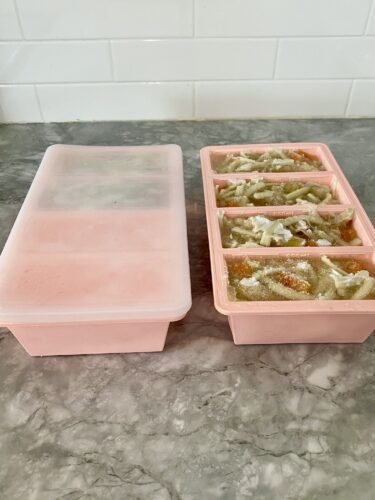

A quick reheating refresh usually looks like this:
- Add extra broth or water to loosen the soup
- Stir well while reheating so everything warms evenly
- Taste and re-season with salt and pepper if needed
- Finish with a small squeeze of fresh lemon to brighten it back up
That last bit of lemon makes a big difference. It wakes the soup back up and makes leftovers taste just as good, if not better, than the first day.
Variations I’ve Tried (And Loved)
I’ve made this soup countless times, and while I love it just as it is, there are a few easy ways to tweak it depending on what you’re in the mood for. These small adjustments let you make it heartier, lighter, or a little more vibrant without losing what makes it so good.
To Make It Heartier
- Add an extra half cup of chickpeas for more protein and substance
- Serve with a thick slice of crusty bread to soak up the broth
To Make It Lighter
- Use a little less couscous so the soup feels more brothy
- Add extra peas, spinach, or other greens for color and freshness
To Add Freshness
- Stir in chopped parsley, dill, or even a little cilantro at the very end
To Add Warmth
- A pinch of white pepper or red pepper flakes gives just a hint of heat without overpowering the flavors
What I Avoid
- Turning it into a curry, the lemon and coconut are the stars here
- Over-spicing or piling in extra strong flavors
- Adding too many vegetables that compete with the simple balance
The beauty of this soup is that it stays focused. Every ingredient has a role, and small tweaks can elevate it without ever feeling messy or overdone.
Lemon Coconut Couscous Vegetable Soup

Serves 4–6
Supplies Needed
- Large soup pot- I love using my Loge cast iron dutch oven
- Citrus juicer & zester
- Immersion blender or regular blender
Ingredients:
- 1–2 tbsp olive oil
- 1 medium onion, diced
- 2 carrots, chopped
- 3 celery stalks, chopped
- 3 cloves garlic, minced
- 8 cups vegetable broth
- 3 bay leaves
- ¾ cup couscous
- 1 (15 oz) can chickpeas, with liquid
- 1 can coconut cream
- Zest of 1 lemon
- Juice of 1 lemon
- 1 cup frozen peas
- Salt and black pepper, to taste
Instructions:
- Heat olive oil in a large pot over medium heat. Add onion, carrots, and celery. Sauté 5–7 min until softened.
- Add garlic and cook 1–2 min until fragrant.
- Pour in vegetable broth and add bay leaves. Simmer 10–15 min.
- Remove bay leaves. Use an immersion blender to blend the broth
- Stir in couscous and chickpeas with liquid. Turn off heat, cover, and let sit 5 min until couscous is tender.
- Stir in lemon juice and coconut cream. Season with salt and pepper.
- Finish with lemon zest, a drizzle of coconut cream, and freshly cracked black pepper.
- Optional: stir in peas at the end for color and sweetness.
─────────────────────────────
Tips & Variations:
- Soup thickens as it sits; add extra broth or water when reheating.
- Add herbs like parsley or dill for freshness.
- Make it heartier: extra chickpeas, serve with bread.
- Make it lighter: reduce couscous, add more greens.
- Add warmth: pinch of white or red pepper flakes.
─────────────────────────────
Storage:
- Refrigerate up to 4 days.
- Reheat gently, adding liquid as needed.
- Squeeze in fresh lemon before serving to brighten flavors.
A Soup I Come Back To
Some recipes you try once and then forget. And then there are recipes like this Lemon Coconut Soup, the ones that quietly become staples in your kitchen.
It’s the soup I reach for when I want something cozy but not heavy. The soup I make when I want vegetables to feel satisfying, not obligatory. The soup I turn to when I need a simple, fuss-free meal that still tastes thoughtful and complete.
It’s easy to make, but it rewards a little patience:
- Sautéing the vegetables slowly brings out their natural sweetness
- Letting the couscous soak up the broth keeps it tender without getting mushy
- Adding the lemon at the end brightens every spoonful
If you make it, I hope it becomes one of those go-to recipes for you too, the kind you don’t have to overthink because it just works, every time.
That’s the kind of recipe I love most: effortless, reliable, and delicious enough that you look forward to leftovers almost as much as the first bowl.
With love,
Bri & Cat
Affiliate Disclaimer:
As an Amazon Associate I earn from qualifying purchases. This comes at no additional cost to you. We only recommend products that we believe will add value to our readers.
Lemon Coconut Couscous Vegetable Soup
Ingredients
- 1-2 tbsp olive oil
- 1 medium onion diced
- 2 carrots chopped
- 3 celery stalks chopped
- 3 cloves garlic minced
- 8 cups vegetable broth
- 3 bay leaves
- ¾ cup couscous
- 1 can (15 oz) chickpeas, with liquid
- 1 can (15oz) coconut cream
- Zest of 1 lemon
- Juice of 1 lemon
- 1 cup frozen peas
- Salt and black pepper to taste
Equipment
- Large soup pot- I love using my Loge cast iron dutch oven
- Citrus juicer & zester
- Immersion blender or regular blender
Method
- Heat olive oil in a large pot over medium heat. Add onion, carrots, and celery. Sauté 5–7 min until softened.
- Add garlic and cook 1–2 min until fragrant.
- Pour in vegetable broth and add bay leaves. Simmer 10–15 min.
- Remove bay leaves. Use an immersion blender to blend the broth
- Stir in couscous and chickpeas with liquid. Turn off heat, cover, and let sit 5 min until couscous is tender.
- Stir in lemon juice and coconut cream. Season with salt and pepper.
- Finish with lemon zest, a drizzle of coconut cream, and freshly cracked black pepper.
- Optional: stir in peas at the end for color and sweetness.
Notes
Add herbs like parsley or dill for freshness.
Make it heartier: extra chickpeas, serve with bread.
Make it lighter: reduce couscous, add more greens.
Add warmth: pinch of white or red pepper flakes. Storage: Refrigerate up to 4 days.
Reheat gently, adding liquid as needed.
Squeeze in fresh lemon before serving to brighten flavors.
Leave a Reply