
This site contains affiliate links, view the disclaimer page for more information.
A family banana bread recipe carries more than ingredients and instructions, it carries stories, habits, and the quiet rhythms of the people who baked it before us. This family banana bread recipe came from my great aunt, written in simple handwriting on a worn recipe card, and over the years it has become one of the most meaningful recipes in my kitchen.
It’s the banana bread I make when bananas turn too brown on the counter. The one I bake on slow Sundays. The one that fills the house with a smell that feels instantly familiar, even if you’ve never made it before. And while I’ve adjusted a few things for modern kitchens: swapping shortening for butter and sour milk for buttermilk, the heart of the recipe remains exactly the same. Because the goal wasn’t to reinvent it, the goal was to keep it alive.

Table of Contents
The Story Behind This Family Banana Bread Recipe
My great aunt wasn’t someone who measured life in teaspoons. She cooked the way many home bakers once did, confidently, practically, and without overthinking anything. Her recipes were short. Almost suspiciously short. No explanations. No baking science. No notes about texture or timing.
Just instructions like:
- Cream butter and sugar.
- Add eggs and bananas.
- Bake until done.
That was it. When I first read the recipe card, I remember thinking: Is this really enough information? But that’s how family recipes worked. They assumed you already understood the basics. Baking knowledge was passed through watching, not reading. I never baked this banana bread with her, but somehow, through the recipe, I still feel guided by her decisions, the ingredient choices, the simplicity, the practicality. And every time I make it, I imagine her pulling a loaf from the oven, setting it on the counter, and slicing it while it was still a little too warm.

Why Family Recipes Feel Different
There’s something special about a family banana bread recipe that you simply don’t get from a cookbook or viral internet recipe. Family recipes are imperfect in the best way. They evolve naturally. Ingredients change. Techniques adjust. Kitchens modernize. But the intention stays the same.

Older recipes especially reflect a different era of cooking:
- Ingredients were chosen based on availability.
- Waste was avoided whenever possible.
- Baking was practical, not performative.
- Desserts were meant to feed people, not photograph perfectly.
Banana bread itself became popular because it solved a problem: overripe bananas. Instead of throwing food away, families transformed it into something comforting. And honestly, that mindset still resonates today. How many times have you looked at spotted bananas and thought, I should bake something? Exactly.
The Updated Family Banana Bread Recipe
Ingredients
- ½ cup butter, softened (instead of shortening)
- 1 cup sugar
- 2 eggs
- 3 tablespoons buttermilk (instead of sour milk)
- 1 teaspoon baking soda
- 1 teaspoon baking powder
- 3 bananas
- 2 cups flour
- Optional add ins: 1 cup of chocolate chips or walnuts
Instructions
- Cream the butter and sugar together.
- Add eggs and bananas.
- Use very overripe bananas for best flavor.
- Add milk and flour last.
- Pour into a greased 9×5-inch baking dish.
- Bake at 350°F for 50–60 minutes.
- Let cool for 10 minutes.
- Remove from pan and enjoy.
Supplies Needed:
Simple. Direct. No extra commentary. And surprisingly, it works perfectly.
Reading Between the Lines of an Old Recipe
When I started baking this family banana bread recipe, I realized older recipes often hide technique inside simplicity.
For example:
Creaming Butter and Sugar
This step isn’t just mixing together. It incorporates air into the batter, creating structure and softness. My great aunt didn’t explain that because bakers of her time already knew.
Overripe Bananas
Using very ripe bananas.
- Sweeter flavor
- Better moisture
- Softer crumb
Now I wait until bananas are almost brown before baking. Patience equals flavor.
Adding Flour Last
This prevents overmixing, something modern recipes explain in detail, but older bakers learned through repetition. It’s fascinating how much baking knowledge lives quietly inside a few short sentences.
Updating the Recipe for Modern Times
I didn’t want to modernize this recipe by turning it into something trendy or complicated. My goal was simple: Keep the spirit. Improve practicality.

Here are the two main substitutions I made.
1. Swapping Shortening for Butter
My Great Aunt’s original banana bread recipe used shortening because:
- It was affordable.
- It stored well without refrigeration.
- It produced reliable texture.
But butter adds something shortening never could: flavor. The aroma alone changes the experience. When butter melts into sugar, it creates a rich, warm smell that fills the kitchen before the bread even finishes baking.

The result?
- A deeper flavor
- Slightly richer crumb
- More homemade character
It still feels traditional, just more aligned with how most of us bake today.
2. Replacing Sour Milk with Buttermilk
My great aunt’s generation often used “sour milk,” which was simply milk that had turned slightly acidic. Why? Because acidity activates baking soda. Today, buttermilk does that job more consistently.
Using buttermilk:
- Creates tenderness
- Balances sweetness
- Improves rise
- Adds subtle tang
It’s a small change, but it makes the recipe incredibly reliable. I have also made this recipe with 3 tablespoons of regular milk and with heavy whipping cream and it still turned out great.
My First Time Making This Family Banana Bread Recipe
I remember the first loaf vividly. I doubted the simplicity. I reread the instructions multiple times, convinced I was missing steps. No vanilla? No spices? No complicated mixing order?
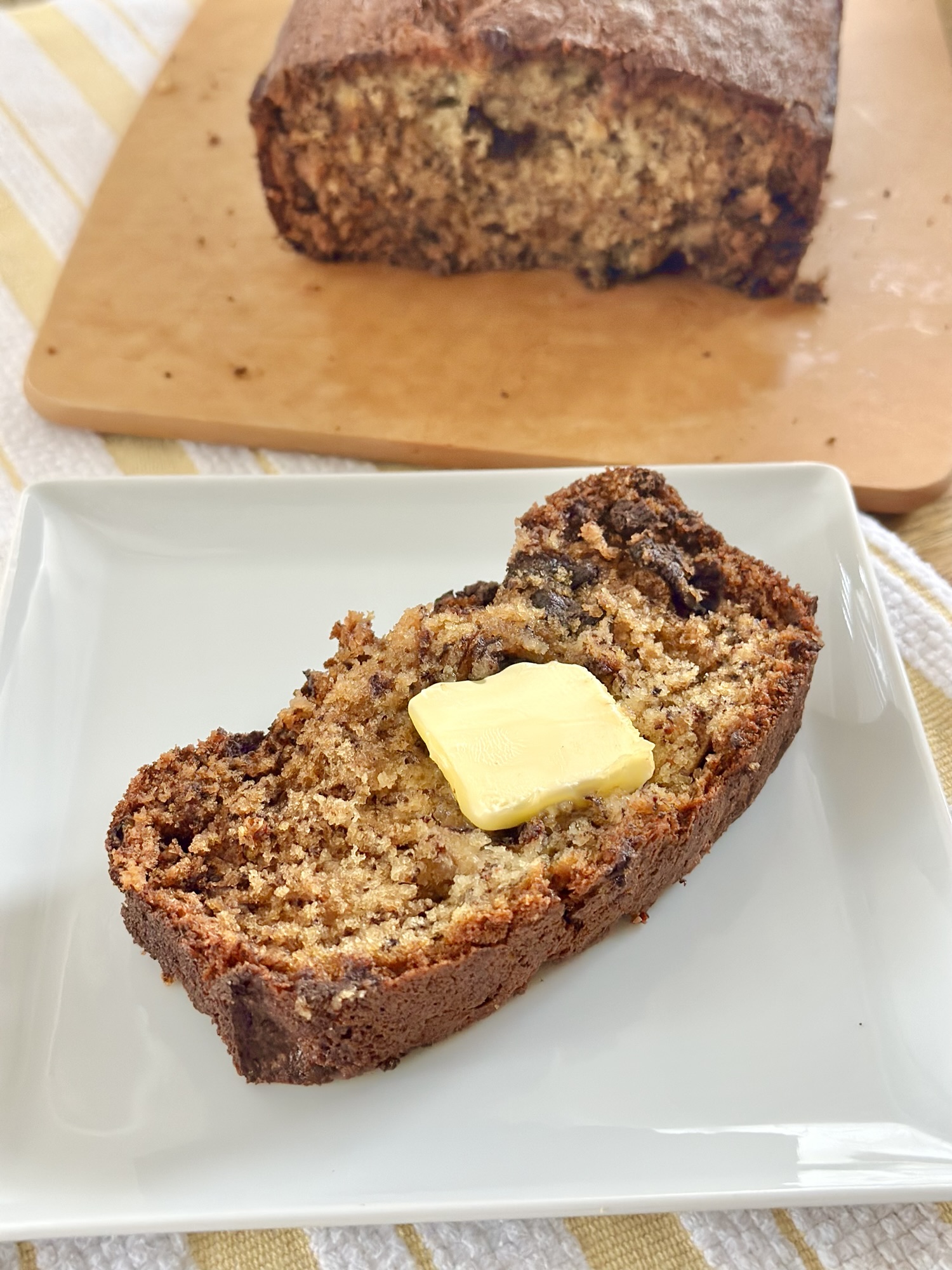
But I followed the recipe exactly. As it baked, the smell slowly filled the kitchen, warm banana, caramelized sugar, buttery sweetness. It wasn’t flashy or bakery-style. It smelled like home. When I sliced into it, the texture was soft but sturdy. Moist without being dense. Sweet but not overpowering. It tasted… perfect. And that’s the word I keep coming back to. Honest baking.

Tips I’ve Learned After Making This Recipe Many Times
Over the years, I’ve picked up a few habits that make this family banana bread recipe even better.

Banana Tips
- The darker the peel, the better.
- Mash bananas thoroughly for even texture. Sometimes I mash them up a bit in the peel before dropping into the bowl.
Mixing Tips
- Cream butter and sugar for at least 2–3 minutes.
- Mix gently once flour is added.
- A few lumps are completely fine.
Baking Tips
- Start checking at 50 minutes.
- A toothpick should come out mostly clean.
- If the top browns too quickly, loosely tent with foil.
Cooling Matters
Waiting 10 minutes before removing from the pan prevents breaking, a lesson I learned the hard way.
Why This Banana Bread Works So Well
After baking countless loaves, I’ve realized this recipe succeeds because it’s balanced.
It has:
- Enough fat for richness
- Enough banana for moisture
- Just enough sugar for sweetness
- Proper leavening for lift

Nothing overwhelms anything else. Many modern banana breads try to do too much, extra toppings, excessive sweetness, dense textures. This one doesn’t need improvement. It just needs good ingredients and attention.
Modern Variations I Sometimes Add
While I love the original, I occasionally make small additions depending on mood.
Some favorites:
- A handful of chopped walnuts
- Chocolate chips for a dessert-style loaf
- Cinnamon for warmth in winter
- A sprinkle of coarse sugar on top for crunch
But honestly? Most of the time I keep it exactly as written. Because tradition tastes good.

What This Recipe Has Taught Me About Baking
This family banana bread recipe changed how I think about cooking in ways I didn’t expect when I first pulled that worn recipe card from the drawer. At the time, I thought I was just making banana bread. Instead, I was learning a completely different approach to being in the kitchen, one that felt slower, more intuitive, and surprisingly comforting.
It reminded me that:
- Recipes don’t need to be complicated to be meaningful. Some of the most memorable foods come from the shortest ingredient lists.
- Consistency matters more than perfection. A slightly uneven loaf still tastes like home.
- Food connects generations quietly, without needing explanation or ceremony.
There’s something humbling about baking the same recipe someone else once made in a completely different time. I often think about how my great aunt probably baked this without measuring cups perfectly leveled, without timers on her phone, without worrying whether the top cracked or the loaf rose evenly. She baked it because there were bananas to use and people to feed.

Cooking doesn’t always have to be creative or ambitious. Sometimes it’s just about paying attention, using what you have, and trusting that simple things done with care are enough. And every time I slide the loaf into the oven, I feel connected to that mindset, practical, patient, and quietly joyful, which feels exactly like something my great aunt would have done.
How We Eat It at Home
Fresh from the oven is wonderful, but this banana bread gets even better the next day.
Here’s how we usually enjoy it:
- Warm slices with salted butter
- Warmed up with coffee in the morning
- Packed into lunchboxes
- Served alongside afternoon tea
- Frozen in slices for easy breakfasts
I’ve even turned leftovers into banana bread French toast, which feels slightly indulgent but completely worth it.

Baking Tips for Different Pans: Glass, Aluminum, and Tinfoil
One thing older recipes, including this family banana bread recipe, rarely mention is what kind of pan to use because at the time most kitchens had one dependable loaf pan and everyone understood how it behaved.
Modern kitchens are a little different. We bake in glass dishes, lightweight aluminum pans, disposable tinfoil pans for sharing, and sometimes whatever clean pan we can find in the cabinet. Over time, I’ve learned that the pan you choose can noticeably change how banana bread bakes. Same batter. Same oven. Different results. Here’s what I’ve learned after making this recipe in all three.
I personally reach for aluminum pans most often, and over time they’ve become my favorite for this recipe. But each type has its place depending on what you’re looking for.
Aluminum Loaf Pans (My Go-To Choice)
Aluminum pans are what I use the majority of the time when baking this family banana bread recipe. They give the most consistent results in my kitchen and create the texture I associate with classic homemade banana bread.

Why I prefer aluminum:
- Heats quickly and evenly
- Helps the loaf rise nicely
- Creates a beautifully golden crust
- Bakes more predictably from loaf to loaf
The first thing I notice when using aluminum is how evenly the bread browns. The edges develop a gentle caramelization that adds flavor without drying the loaf out. The center stays soft while the outside gets just enough structure to slice cleanly.
My aluminum pan tips:
- Bake at 350°F as written in the recipe.
- Start checking for doneness around 50-55 minutes.
- Grease thoroughly or line with parchment for easy removal.
- Let the bread rest 10 minutes before removing from the pan.
If you want that nostalgic bakery-style look, golden edges, slightly domed top, clean slices, aluminum pans really shine here.
Glass Loaf Pans
Glass pans bake more gently and retain heat longer. I use them occasionally when I want an extra soft crust or when aluminum pans are already in use.
What to expect with glass:
- Slower, more gradual baking
- Softer edges
- Very moist texture
Tips for glass pans:
- Consider lowering oven temperature by 25°F if edges brown too quickly.
- Allow extra cooling time since glass holds heat longer.
- Check doneness starting around 55-60 minutes.
Glass produces a tender loaf, but I find aluminum gives me the texture I grew up loving most.
Tinfoil (Disposable) Loaf Pans
Tinfoil pans come out when I’m baking multiple loaves to share, holidays, gatherings, or dropping banana bread off for friends.
They’re convenient but require a little attention.
How foil pans behave:
- Heat up quickly because they’re thin.
- Edges can brown faster than the center.
- Need extra support when moving.
Tips for success:
- Always place foil pans on a baking sheet.
- Check early, around 45 minutes.
- Tent loosely with foil if the top browns too quickly.
- Cool completely before slicing.
These pans make sharing easy, which feels very in line with the spirit of a family recipe.
Quick Pan Comparison
| Pan Type | Baking Speed | Crust | My Typical Use | Check time |
|---|---|---|---|---|
| Aluminum | Medium-fast | Golden & structured | My everyday choice | 50-55 min |
| Glass | Slower (cook at 325) | Soft | Extra-moist loaves | 55-60 min |
| Tinfoil | Fast edges | Light crust | Gifting & batches | 45 min |
Over time, I’ve realized that part of making a recipe your own isn’t changing ingredients, it’s learning how your tools behave. Using aluminum pans regularly has helped me understand exactly how this family banana bread recipe should look, smell, and feel when it’s done. And that familiarity is what turns a recipe into a tradition.
Preserving Family Recipes Matters
Have you ever noticed how many family recipes live only in memory? One generation cooks by instinct, a pinch of this, a handful of that, and everything works because they’ve made it hundreds of times before. Then suddenly the next generation realizes nothing was ever written down. Measurements are guesses, steps are forgotten, and the small details that made the recipe special slowly fade. That realization is partly why I’m sharing this family banana bread recipe now. I didn’t want it to exist only as a story or a vague memory of something that once tasted like home.

Writing recipes preserves more than food; it preserves moments and personalities. A recipe carries the habits of the person who made it, how they measured, what they prioritized, what they believed mattered in the kitchen. Even small notes, like “use very ripe bananas,” feel personal, almost like advice passed directly from one cook to another across time. When we write recipes down, we’re saving traditions in a form that can be experienced again and again, not just remembered.
If you have a handwritten recipe tucked into a drawer somewhere, pull it out and give it new life. Make it exactly as written once, then adjust it to fit your kitchen and your routines. Write notes in the margins. Add dates, substitutions, and little reminders about what worked best. Let it evolve alongside you instead of staying frozen in the past. That’s how recipes survive, not by staying perfectly unchanged, but by continuing to be used, shared, and loved.
Recipe Card: Family Banana Bread Recipe

Ingredients
- ½ cup softened butter
- 1 cup sugar
- 2 eggs
- 3 tablespoons buttermilk
- 1 teaspoon baking soda
- 1 teaspoon baking powder
- 3 very ripe bananas
- 2 cups flour
Instructions
- Preheat oven to 350°F.
- Cream butter and sugar together.
- Add eggs and mashed bananas.
- Mix in buttermilk.
- Add baking soda, baking powder, and flour last until fully encorporated.
- Pour batter into a greased 9×5-inch loaf pan.
- Bake for 50–60 minutes.
- Cool for 10 minutes, remove from pan, slice, and enjoy.
Baking Across Generations
Every time I make this family banana bread recipe, I think about how small actions carry forward. Someone wrote this recipe decades ago without realizing it would still be baked years later in a completely different kitchen. And yet here it is, still relevant, still comforting, still dependable. Maybe that’s what makes banana bread special. It isn’t fancy. It isn’t complicated. It doesn’t try to impress anyone. It simply shows up, does its job well, and brings people together. And sometimes, that’s exactly what we need from both food and tradition. So the next time your bananas turn brown, don’t throw them away. Bake something that lasts longer than the ingredients themselves. Enjoy!
With love,
Bri and Cat
Affiliate Disclaimer:
As an Amazon Associate I earn from qualifying purchases. This comes at no additional cost to you. We only recommend products that we believe will add value to our readers.
Family Banana Bread Recipe
Ingredients
- 1/2 cup softened butter
- 1 cup sugar
- 2 eggs
- 3 tbsp buttermilk
- 1 tsp baking soda
- 1 tsp baking powder
- 3 very ripe bananas
- 2 cups all purpose flour
Equipment
- Bread Loaf Pan
- Mixing Bowl
Method
- Preheat oven to 350°F.
- Cream butter and sugar together.
- Add eggs and mashed bananas.
- Mix in buttermilk.
- Add baking soda, baking powder, and flour last until fully encorporated.
- Pour batter into a greased 9×5-inch loaf pan.
- Bake for 50–60 minutes.
- Cool for 10 minutes
- Remove from pan, slice, and enjoy.


Leave a Reply