
This site contains affiliate links, view the disclaimer page for more information.
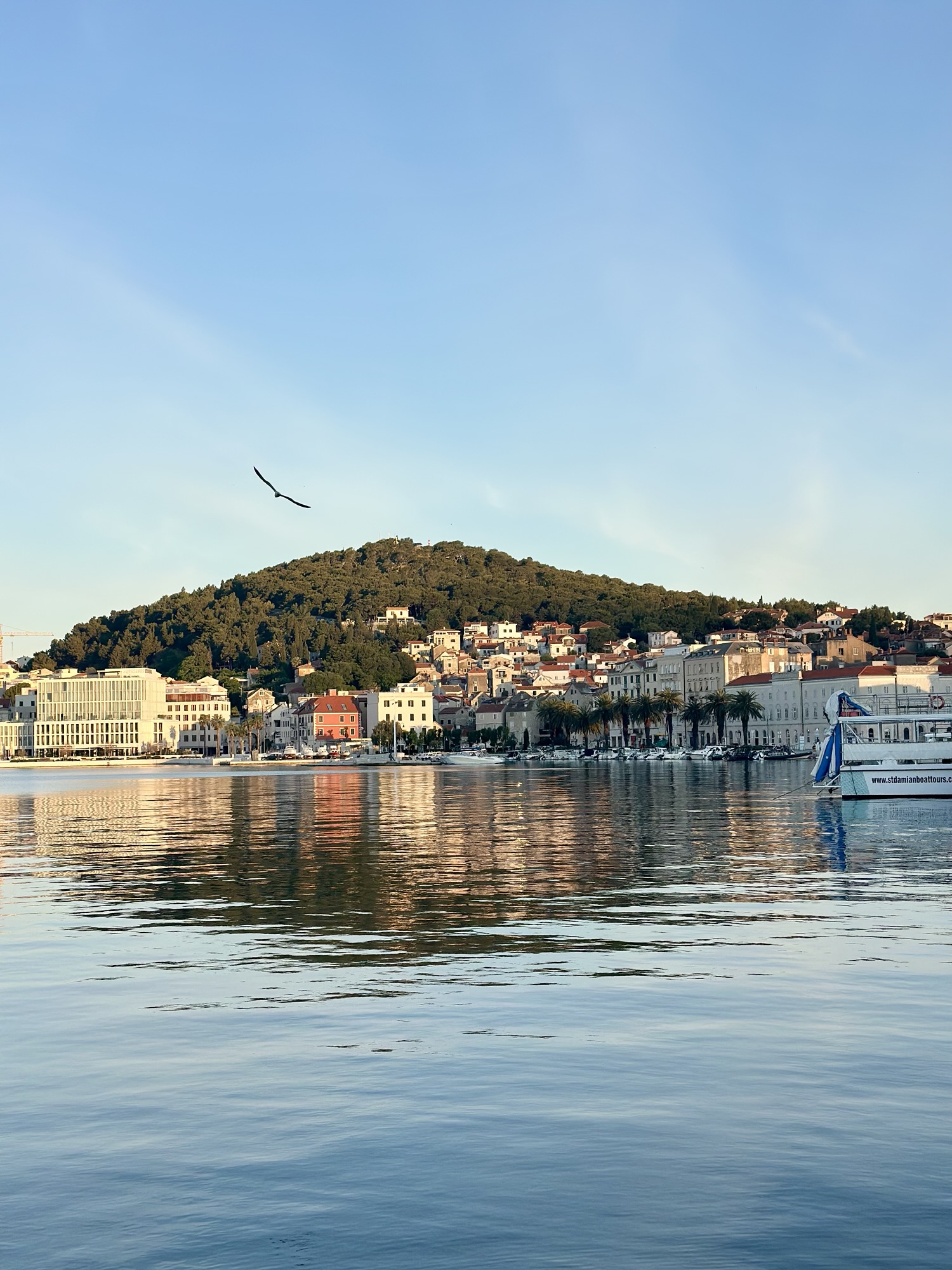
Split Croatia stopped me in my tracks the moment I stepped off the ferry. I had been traveling through Europe for two weeks, city after city, museum after museum, and I was starting to feel the particular numbness that sets in when every beautiful place starts to look like the last beautiful place. Then Split happened, and I remembered why I travel in the first place.
There is something almost unfair about this city. It refuses to be just one thing. Split is ancient and modern at the same time. It is relaxed and energetic. It is sophisticated and completely unpretentious. It hands you 1,700 years of Roman history and then asks if you would like a coffee and a seat in the sun. It sends you hiking through canyon rivers one day and loafing on Adriatic beaches the next. And it sits at the heart of the Dalmatian Coast like a quiet brag, with ferries leaving for the islands of Brac and Hvar right from the harbor.
If you have been wondering whether Split Croatia deserves a spot on your travel list, let me save you the deliberation: it does. Here is everything you need to know to make the most of your time there.
Table of Contents
Why Split Croatia Belongs on Your Radar
Croatia has been on the European travel scene for years now, and Dubrovnik tends to get all the attention. Understandably so. But if Dubrovnik is Croatia’s showstopper, Split is its soul.
The city has roughly 170,000 people, which makes it Croatia’s second largest. It is big enough to feel like a real, living, breathing place, not a theme park built for tourists, but small enough that you can walk from the Roman palace walls to the waterfront in under five minutes. Everything in the heart of Split is layered. Literally. You walk down into the underground cellars of a Roman emperor’s palace and then walk back up into a bustling street lined with restaurants and bars. The ancient and the everyday sit right on top of each other, and somehow neither one diminishes the other.
I also want to be upfront about something: Split is not a hidden gem anymore. Shoulder season aside, summer brings real crowds, especially in July and August. But unlike some over-touristed destinations that feel hollowed out, Split still has a local pulse. Locals eat at the konobas. Kids play football near the palace gates. The fish market runs every morning. This city was not built for tourists. It was built for an emperor, and then it just kept living.
The Heart of It All: Diocletian’s Palace
Let me tell you about the moment I realized Diocletian’s Palace was different from every other historical site I had ever visited.
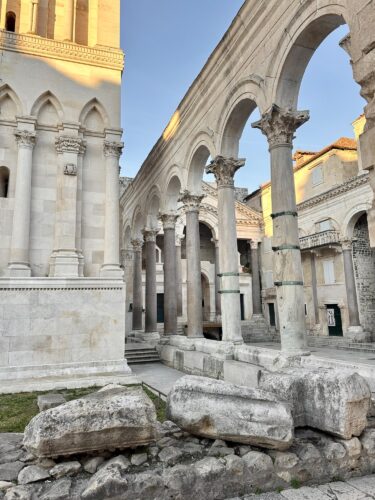
I had been wandering for about twenty minutes, camera in hand, trying to capture the way the afternoon light hit the stone walls. I turned a corner into a narrow alley and nearly walked into a woman hanging laundry between two ancient columns. A cat was sleeping on a Roman capital. Someone was playing guitar three stories up through an open window. This was not a museum. This was someone’s neighborhood, and the neighborhood happened to be inside a palace built in the fourth century for a Roman emperor.
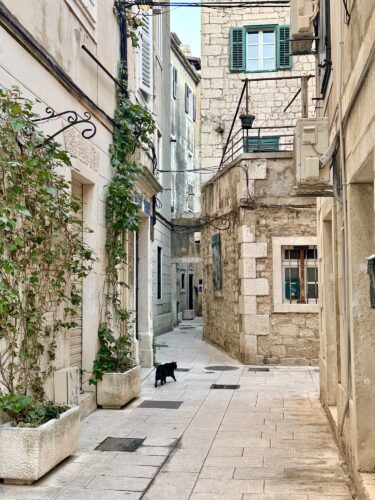
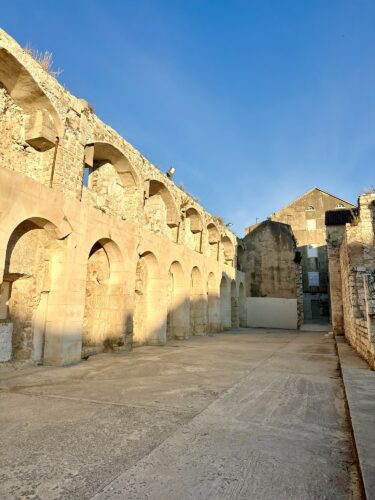
Diocletian’s Palace is a UNESCO World Heritage Site, and that designation barely scratches the surface of what it actually is. Emperor Diocletian commissioned it as his retirement residence around 305 AD. It covers about 30,000 square meters and originally housed the emperor’s apartments, a mausoleum, temples, and enough soldiers to protect a former ruler of the Roman Empire. Today, it houses about 3,000 residents, dozens of restaurants and bars, boutique shops, art galleries, and enough tourists to keep everyone busy.
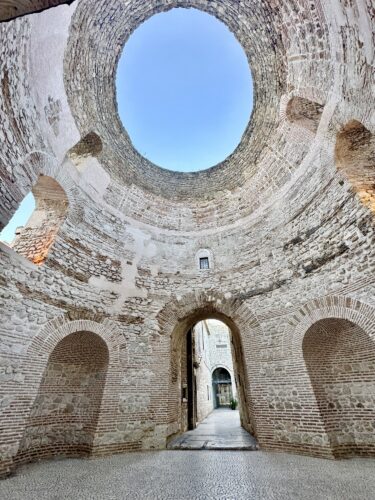
Here is what I recommend doing inside the palace:
- Start early. The palace is significantly more atmospheric before the tour groups arrive. If you can get there by 8am, you will have the stone alleys largely to yourself. The light is better anyway.
- Visit the Peristyle. This is the ceremonial courtyard at the center of the palace, and it is jaw-dropping. Columns from the third century frame an open sky. There is a small Egyptian sphinx that has been there since Diocletian brought it from Egypt. Sit on the steps and just look around.
- Climb the Bell Tower of Saint Domnius. The cathedral itself was Diocletian’s mausoleum, converted to a church in the seventh century (there is something wonderfully ironic about a Christian cathedral built inside the tomb of a man who persecuted Christians). Climb the bell tower for panoramic views over the red rooftops and the Adriatic beyond. It is worth the mild vertigo.
- Go underground. The cellars beneath the palace are one of the best things to do in Split Croatia, and they are strangely underrated. Because the emperor’s apartments were built above them, the cellars preserve the exact layout of rooms that no longer exist. Walking through them feels like stepping into the skeleton of ancient Rome. They also host art installations and exhibitions, so there is usually something on.
- Get lost. Seriously. Put the map away for thirty minutes and just wander. The palace has a way of rewarding aimlessness. You will find courtyards that are not on any tourist map, quiet corners with Byzantine details, doorways that open into surprise gardens. Some of my favorite moments in Split happened when I stopped trying to find anything in particular.
A practical note: entrance to the palace district is free. You pay separately for the cathedral, the bell tower, and the cellars. Budget a couple of hours minimum, but if you are the kind of person who can lose an entire morning in a place like this (I am that person), plan for longer.
The Riva: Where Split Goes to Breathe
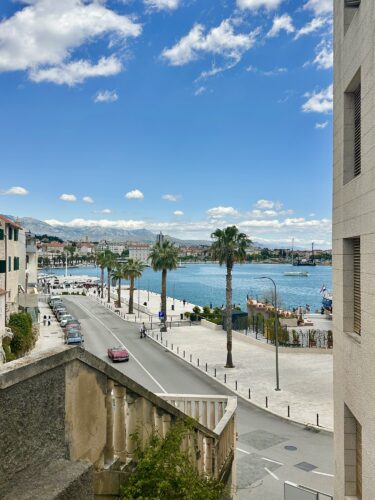
After a morning inside the palace, the Riva waterfront promenade will hit you like a deep exhale. The Riva runs along the southern edge of the Old Town, right where the palace walls meet the Adriatic Sea. It is a long, broad marble promenade lined with palm trees, open-air cafes, and restaurants with tables practically hanging over the water. On one side, the harbor. On the other, the golden walls of the palace. In between, half the population of Split and most of its visitors, all doing the same thing: absolutely nothing in particular, and doing it very well.
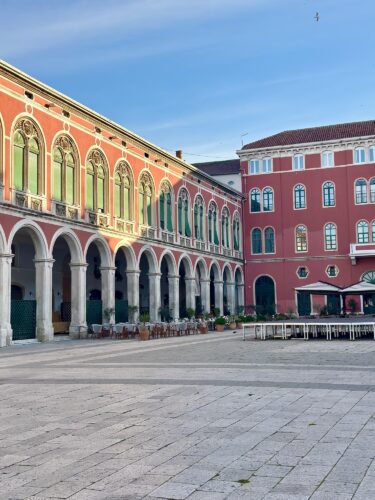
I spent an embarrassing amount of time on the Riva. I would have one coffee, and then another, and then look at the harbor for a while, and then decide I might as well stay for lunch. The Croatian coffee culture deserves its own essay. Nobody rushes a coffee here. You order it, it arrives slowly and perfectly, and then you sit with it for as long as you want. Nobody will bring you the bill until you ask for it. This is a country that has institutionalized the art of lingering.
For lunch on the Riva, go for the seafood. Grilled branzino, black risotto made with squid ink, fresh mussels in white wine and garlic. Croatia’s Dalmatian cuisine is built on proximity to the sea, and the fish in Split is as fresh as it gets. I had a plate of grilled sea bream with local olive oil and a glass of Posip (a crisp local white wine) that I still think about regularly.
The Riva is also the place to watch the evening ritual known as the Korzo. Every evening, especially in summer, locals come out to walk, socialize, and see who else is out. It is a deeply Mediterranean tradition, unhurried and communal, and watching it happen against the backdrop of the lit-up harbor is one of those travel moments that you cannot manufacture or rush. You just have to be there when it happens.
Day Trip: Cetina River Rafting
Okay. If you are the kind of traveler who needs at least one day of genuine physical adventure, this is the section you have been waiting for.
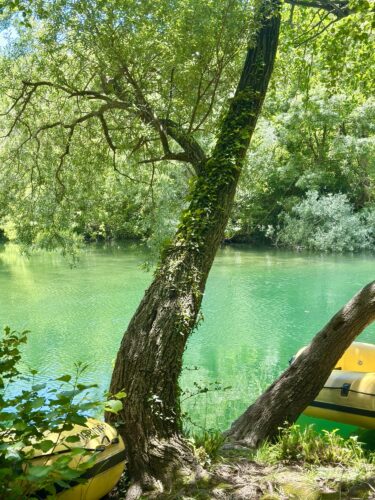
About an hour’s drive from Split, the Cetina River cuts through a dramatic limestone canyon before eventually spilling into the sea near the town of Omis. The canyon walls rise sharply on both sides, streaked with vegetation and occasional waterfalls. The river is cold and impossibly clear. And if you sign up for a rafting tour, you will spend a few hours paddling through all of it while guides shout instructions and everyone gets thoroughly soaked.
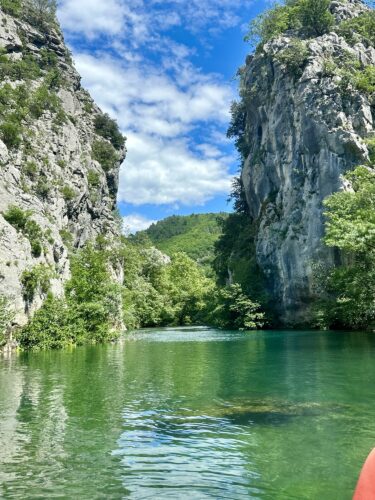
I went with a group of eight people, ranging from experienced rafters to complete beginners, and the experience worked beautifully for everyone. Most tour operators on the Cetina run beginner-friendly routes specifically designed for people who have never been in a raft. The rapids are exciting without being dangerous, and there are calm stretches in between where you can float, look up at the canyon walls, and feel extremely far from any city. Guides also stop at a waterfall midway through, which is a natural photo opportunity and a reason to jump into the river if you are brave enough. The water is bracing even in summer.
A few things to know before you book:
- Book ahead in peak season. Cetina rafting tours fill up quickly from June through August. Most can be arranged from Split through your hotel or any number of tour operators in the city.
- Wear clothes you do not mind getting wet. You will get wet. This is not optional.
- Bring a waterproof bag or leave valuables behind. Most operators provide waterproof bags for phones, but do not assume.
- The whole excursion runs about five to six hours, including transport from Split. Plan your day accordingly.
- Bring snacks but plan for a lunch stop. Many Tours end near Omis so plan for finding a spot for lunch before heading back to Split
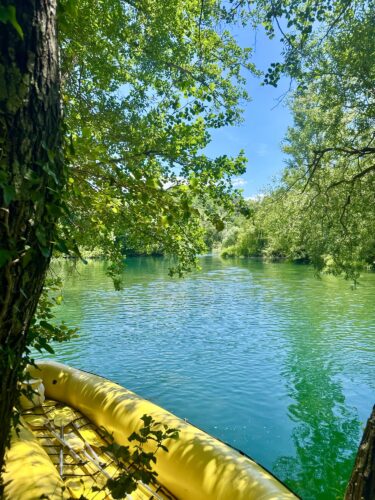
The contrast between the Cetina River experience and the Diocletian’s Palace experience is one of the things that makes Split Croatia such a compelling destination. In one city, you can go from Roman emperor to river raft in the span of a few days, and both experiences feel equally essential.
Ferries to Brac and Hvar: Island Life is One Boat Ride Away
Here is something that makes Split uniquely valuable as a base: it is the ferry hub for the Dalmatian islands, and some of the most beautiful islands in Croatia are shockingly easy to reach.
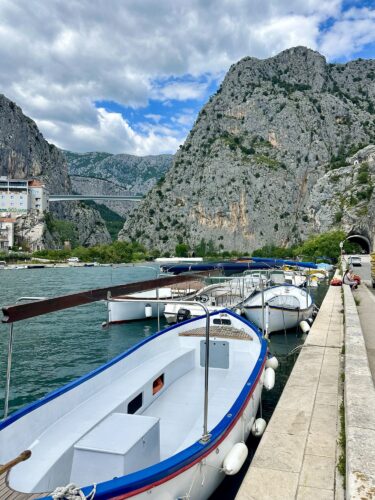
The ferry terminal sits right next to the Riva, which means you can finish your morning coffee, watch the boats in the harbor, and then walk fifty meters and get on one. The logistics of island hopping from Split Croatia are remarkably painless.
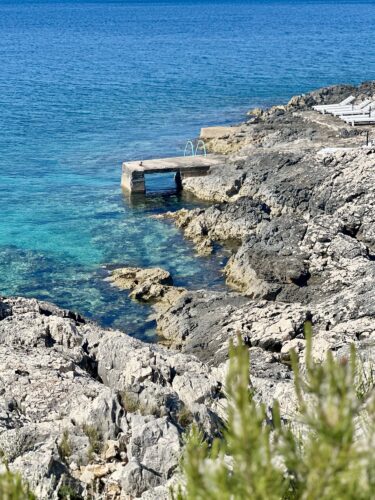
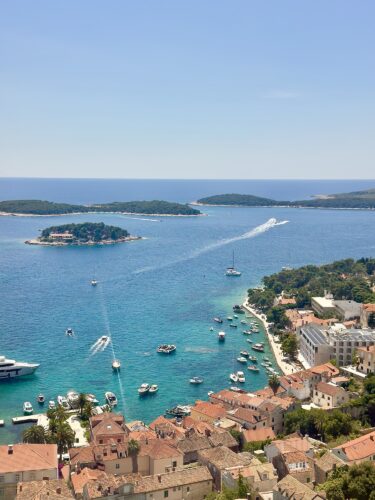
Brac is the closest large island, with ferries running the crossing in about 50 minutes. Most people head to Bol, a small town on the south coast of the island that is home to Zlatni Rat, arguably the most photographed beach in Croatia. The beach is a triangular spit of white pebble that extends into brilliant turquoise water and shifts shape slightly depending on currents. It is genuinely as beautiful in person as the photographs suggest, which is rare. Brac is also known for its white limestone, the same stone used to build Diocletian’s Palace and supposedly, the White House.
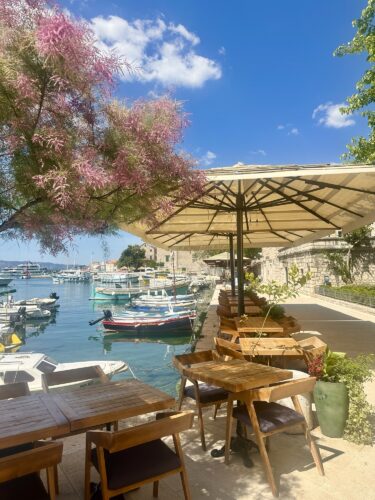
Hvar is a longer ride, around two hours from Split, and it has a different energy entirely. Hvar Town is glamorous and lively, full of boutique hotels, excellent restaurants, and a nightlife scene that draws a certain kind of European crowd in July and August. But Hvar is a big island, and once you get away from the main town, it becomes something quieter and more beautiful. Lavender fields, olive groves, villages where time moves slowly, and water that looks like it was painted. I took a water taxi from Hvar Town out to the Pakleni Islands one afternoon and swam in a cove so blue and calm that I had to resist the urge to never go back to land.
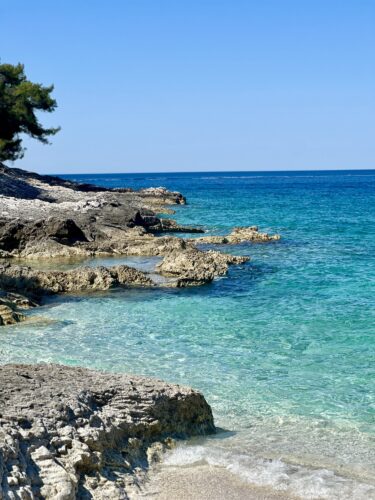
A practical point worth making: Hvar is genuinely expensive by Croatian standards, especially in peak summer. Budget accordingly, or visit in May, June, or September when the crowds thin and prices drop.
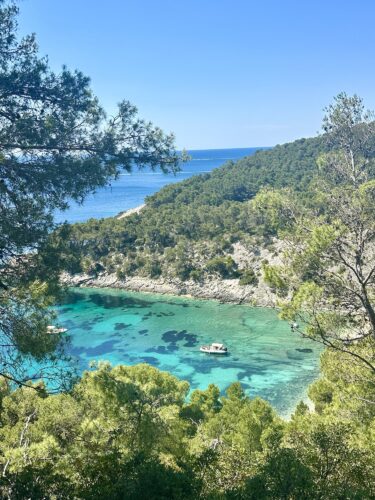
If you are planning more than three or four days in Split Croatia, build at least one island day into your itinerary. The ferry connections make it easy, and the contrast between the urban energy of Split and the island pace is exactly the kind of reset that good travel provides.
When to Visit Split Croatia
The honest answer is: it depends on what you want.
May and June are my personal recommendation. The weather is warm but not punishing, the Adriatic is warm enough for swimming, the crowds are manageable, and prices are noticeably lower than peak season. The city still has its full energy, restaurants are all open, ferries are running to the islands, and you can actually get a seat at a popular restaurant without a reservation made weeks in advance.
July and August are peak season for a reason. The weather is glorious, the sea is perfect, the cultural calendar is full, and the city is absolutely buzzing. But crowds are real, prices spike, and the Old Town can feel overwhelmingly busy in the middle of a summer afternoon. If you go in peak summer, book accommodation early and plan your palace visit for early morning or evening.
September and October are genuinely excellent. The summer crowds have thinned, the sea is still warm from months of sun, the light is extraordinary, and the city has a slightly more relaxed quality. September might actually be the sweet spot for people who want warmth, beauty, and breathing room.
Winter is a different experience. The Riva is quiet. The Old Town feels like a secret. Prices are the lowest of the year. Some restaurants and ferry services reduce their hours or close. But Split is still very much a functioning city, not a seasonal resort, and there is something lovely about wandering the palace walls in November with no crowds and low grey light. Not for everyone, but absolutely for some people.
Where to Stay in Split Croatia
The Old Town is the obvious first choice for accommodation, and if budget allows, staying inside or immediately adjacent to the palace walls is special. Waking up inside a UNESCO World Heritage Site does not get old. There are several boutique hotels and apartment rentals within the palace itself, ranging from simple rooms to genuinely beautiful spaces with stone walls and vaulted ceilings.
If the Old Town feels claustrophobic or noisy (and in peak season, it can be both), the neighborhoods of Bacvice and Meje are worth looking at. Bacvice is a residential area about ten minutes’ walk from the palace, known for its sandy beach (one of the few in Split) and a slightly more local atmosphere. Meje is quieter and more residential, with good walking access to the waterfront.
Budget travelers will find a decent range of hostels in and around the Old Town. The hostel scene in Split is solid, with several well-reviewed options that offer social spaces, organized tours, and the kind of crowd that is there to actually explore the city.
Practical Bits Before You Go
A few final things that will make your trip smoother:
Currency. Croatia adopted the Euro in January 2023, which simplifies things considerably if you are coming from elsewhere in the eurozone.
Language. Croatian is the official language. English is widely spoken in tourist areas, hotels, and restaurants. Learning a few basic Croatian phrases (hvala means thank you, molim means please) will earn you genuine warmth from locals.
Getting to Split. Split Airport receives direct flights from much of Europe, especially in summer. You can also reach Split by bus or car from Dubrovnik (about three hours), or by ferry from various points along the coast and from Italy.
Getting around. The Old Town and Riva are entirely walkable. For day trips to Cetina or other surrounding areas, most people book organized tours. Taxis and Uber operate in the city for longer distances.
Tipping. Not mandatory but appreciated. Rounding up or leaving ten percent is standard practice in restaurants.
What to Pack for Split Croatia: Must-Bring Travel Items
Split is a city where you will walk cobblestone alleys, sit on marble promenades, swim in the Adriatic, bounce around on a raft, and then sit down for a nice dinner, sometimes all in the same day. Your bag needs to handle that range without weighing you down.
Comfortable walking shoes with grip. This is not negotiable. The stone streets inside Diocletian’s Palace are ancient and uneven, and they get slippery when wet. I made the mistake of wearing sandals on my first full day and spent half the morning watching my step instead of looking up at the architecture. A pair of supportive sneakers or light hiking shoes will serve you far better than anything stylish but flat-soled. Save the nice shoes for dinner on the Riva.
Water shoes. Croatia’s beaches are almost entirely pebble and rock, not sand. This is part of what makes the water so brilliantly clear, but it also means walking into the sea barefoot is a painful shuffling experience that nobody warns you about until it is too late. A pair of lightweight water shoes or mesh beach shoes solves this completely. They are also useful on the Cetina rafting trip, where you may be scrambling over wet rocks near the water’s edge. Pack a pair that dries fast and takes up minimal space in your bag.
A quality reef-safe sunscreen. The Adriatic sun is serious, especially on the water. Whether you are on a ferry to Hvar, swimming at Zlatni Rat on Brac, or sitting at a Riva cafe for two hours longer than you planned, you will burn without protection. I bring a factor 50 reef-safe option because the Croatian coastline and its marine ecosystems deserve the consideration, and an increasing number of popular beaches are moving toward eco-conscious guidelines.
A reusable water bottle. Split has public water fountains throughout the Old Town, and the tap water is clean and good. Carrying a refillable bottle saves money, cuts down on plastic waste, and keeps you hydrated through long days of walking in summer heat. I use an insulated bottle that keeps water cold for hours, which matters a lot when the temperature climbs in July.
A lightweight dry bag. Essential if you are doing the Cetina River rafting day trip, and genuinely useful any time you are on a ferry or near the water. I use a small roll-top dry bag for my phone, cards, and cash. It has saved me from catastrophe more than once.
A small crossbody or anti-theft bag. Split is not a high-crime city, but it is a busy tourist destination in summer, and crowded spaces anywhere attract opportunists. A crossbody bag with a zip closure keeps your essentials secure without turning you into someone who spends the whole trip anxious about their belongings. I travel with a compact crossbody that holds my phone, passport copy, cards, and some cash, and I barely notice it is there.
A plug converter. Croatia uses the Type F European plug (the standard two round-pin plug), which means travelers coming from the US, UK, or Australia will need an adapter. This is one of those things that is completely obvious in hindsight and completely easy to forget in the pre-trip rush. A universal travel adapter covers you in Croatia and every other country on the same trip.
A portable battery pack. Long days of navigating, photographing, and looking things up drain a phone faster than you expect. A compact battery pack means you are never choosing between having a working map and having a working camera.
One thing I always tell people who ask how to pack for a trip like this: pack less than you think you need, and pack better versions of fewer things. A week in Split does not require a full wardrobe. It requires the right shoes, sun protection, a bag you trust, and the freedom to move without checking a suitcase everywhere you go.
The Part I Keep Coming Back To
Travel writing can make places sound impossibly perfect. Every city becomes a paradise, every meal becomes unforgettable, every moment becomes transcendent. I try not to do that, because it sets expectations that no real place can meet.
So let me be specific about what I think makes Split Croatia worth your time, beyond the obvious. It is the way the city is built on actual human use. Diocletian’s Palace was not preserved in amber. It was lived in, modified, built over, reclaimed, and adapted for seventeen centuries, and it shows. The imperfections are the point. That crumbling wall has a flower growing out of it. That Roman column has a street sign bolted to it. That ancient courtyard has a restaurant with plastic chairs and a chalkboard menu. None of it is precious. All of it is alive.
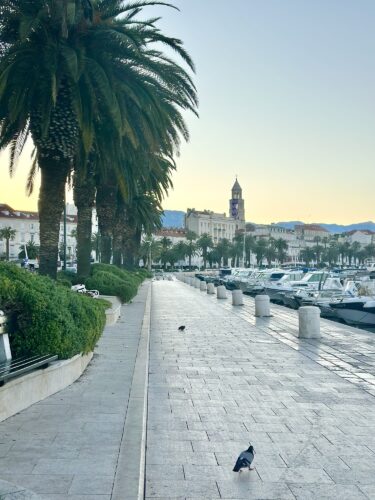
And that aliveness is what stays with you. Not the views, though the views are exceptional. Not the food, though the food is very good. It is the particular feeling of a city that has been continuously inhabited for thousands of years and does not think that is a very big deal. It is just Tuesday in Split. Here is your coffee.
Go see for yourself.
With love,
Bri and Cat
Check out my other posts from Croatia:
Tips for Visiting Hvar, Croatia: Best things to Do, See, and Eat
Cetina River Rafting in Croatia: Everything You Need to Know Before You Go
Brac Croatia: The Island That Surprised Me More Than Any Other in Dalmatia
Affiliate Disclaimer:
As an Amazon Associate I earn from qualifying purchases. This comes at no additional cost to you. We only recommend products that we believe will add value to our readers.


Leave a Reply