
This site contains affiliate links, view the disclaimer page for more information.
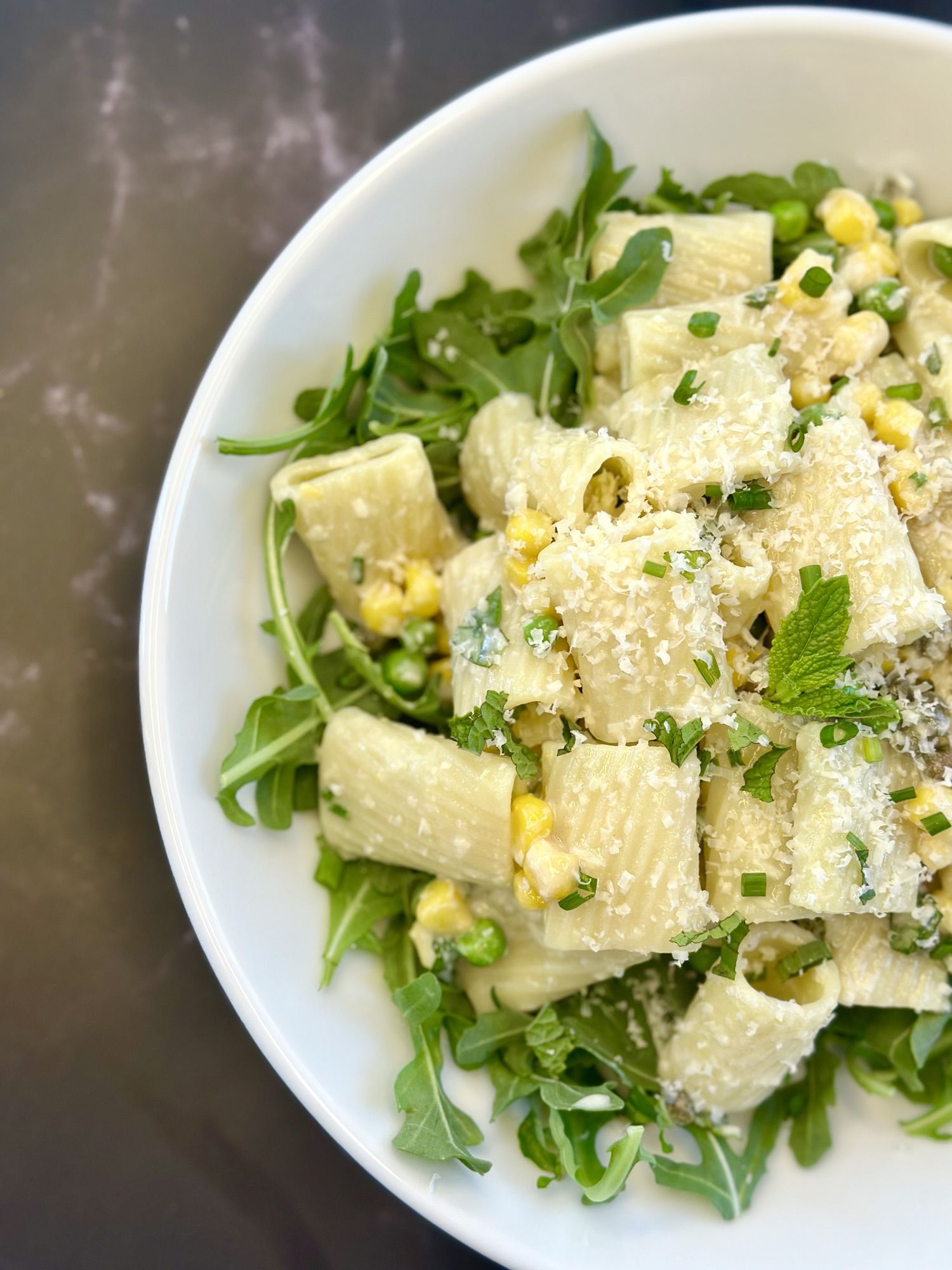
If you have never made a Miso Corn and Lemon Pasta before, I promise this is the recipe that is going to change the way you think about weeknight pasta. It is creamy, bright, a little briny, and packed with the kind of layered flavor that makes people ask you for the recipe before they have even finished their bowl.
I have been making versions of this dish for a few years now, and it started the way a lot of my favorite recipes do: at someone else’s dinner table. A friend made a pasta years ago at a dinner party that I could not stop thinking about. It had this umami depth that I couldn’t quite place, a creaminess that felt light rather than heavy, and herbs scattered through it that made every bite taste like summer. I never got the full recipe. I just got the memory of it, and honestly that has been enough fuel to keep me tinkering in my kitchen until I landed on something I love even more.
This version is my own, built from scratch through a lot of happy experimenting. And it has become one of those recipes I turn to when I want something that feels impressive but comes together in about 30 minutes.
Table of Contents
Why This Pasta Works
I know the ingredient list might give you a moment of pause. Coconut cream? Miso? In a pasta? With lemon?
I get it. It sounds like a lot of things happening at once. But here is the thing: every single ingredient in this sauce is doing a specific job, and they all happen to work beautifully together.
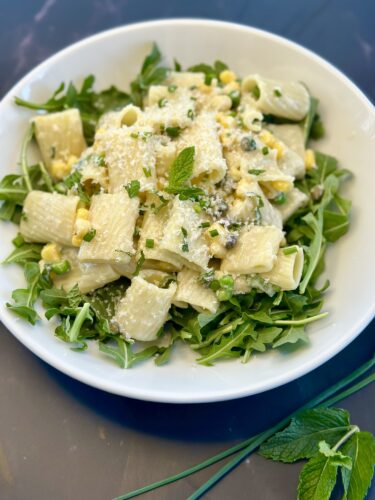
The white miso brings a deep, fermented savory note that you cannot get from salt alone. It rounds out the sauce and gives it a complexity that makes people lean in for another bite wondering what that flavor is. The coconut cream creates a silky, lush base without the heaviness of traditional cream sauces. It is dairy-light and lets the other flavors come forward rather than muffling them. The lemon cuts through all of that richness with brightness and acidity, and the butter ties everything together into something cohesive and glossy.
Then you have the corn, peas, and capers playing off each other in the best way. Sweet, sweet, and briny. It is a combination that works the same way olives and citrus work together, or capers and herbs on a piece of salmon. The contrast is what makes it interesting.
And the herbs. Do not underestimate the herbs. Fresh chives and torn mint stirred in at the end make this pasta taste alive in a way that dried herbs simply cannot replicate.
The Dinner Party That Started It All
I think about that dinner party more than is probably reasonable for a pasta dish. It was one of those relaxed summer evenings where someone just casually produced an incredible bowl of food from their kitchen and set it on the table like it was nothing. There were maybe eight of us, and I remember watching the bowl empty faster than anything else on the table.
I asked what was in it. Got a vague list of ingredients, no quantities, no method. Just vibes and a general direction.
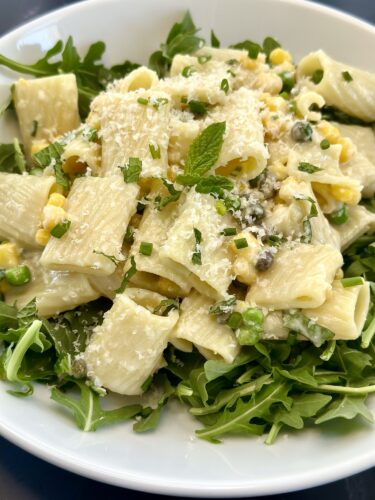
For a long time I kept trying to recreate it with what I remembered and kept landing somewhere close but not quite right. Too heavy, too flat, missing something. It was not until I started leaning into miso as a building block in more of my cooking that I had the breakthrough. That fermented depth was the thing I had been missing.
This recipe is not a copy of what I had that night. It is my own interpretation, shaped by what I love to cook and eat. But every time I make it I think about that table and feel pretty good about where the dish has ended up.
What You Will Need
Let me walk you through the ingredients before we get into the method, because a few of them are worth a little extra context.
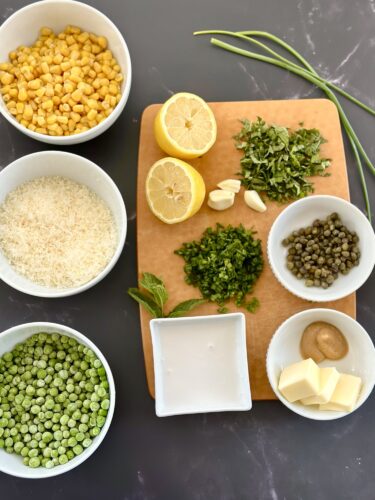
For the sauce:
- Juice of 1 whole lemon
- 3 cloves garlic, minced
- 1/2 cup coconut cream
- 1 tbsp white miso
- 1/2 cup pasta water
- 3 tbsp butter, melted and slightly cooled
- 1/4 cup chives, thinly sliced
- 1/4 cup mint, finely torn
For the pasta and mix-ins:
- 3 cups Paccheri pasta
- 1 cup corn
- 1 cup frozen peas
- 3/4 cup freshly grated parmesan
- 3 tbsp capers
- Arugula for serving
A few notes on specific ingredients:
Paccheri pasta. I am loyal to Paccheri for this dish. They are wide, thick tubes that scoop up the sauce in a way that smaller pasta shapes just cannot. Every bite has that perfect ratio of pasta to coating. If you cannot find Paccheri, go for rigatoni or another large tube shape. Avoid anything too thin or delicate. This sauce deserves something it can hold onto.
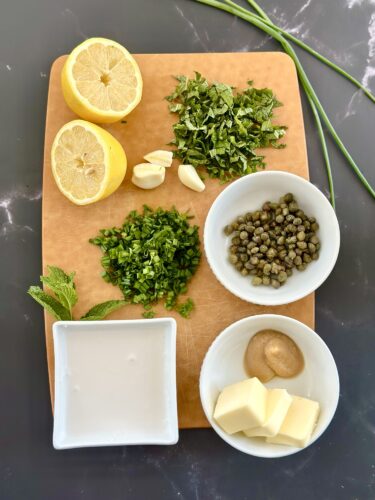
White miso versus other types. White miso (shiro miso) is the mildest and sweetest variety, which is exactly what you want here. Red miso is more intense and fermented, and it will overpower the lemon and herbs. Stick with white miso and you are in good shape.
Coconut cream versus coconut milk. These are not interchangeable in this recipe. Coconut cream is thicker and richer, which is what gives the sauce its body. Coconut milk is too thin and will make the sauce watery. Look for canned coconut cream, not the sweetened cream of coconut you would use in a cocktail.
Pasta water. This is one of the most important elements of any pasta sauce and I want to make sure you do not skip it. The starchy water you reserve from cooking the pasta does two things here: it helps dissolve the miso (which is thick and paste-like) so it blends smoothly into the sauce, and it loosens the finished sauce to just the right consistency. Set a measuring cup next to your pot and pull that water before you drain.
Fresh corn versus frozen. Either works, but fresh corn cut straight off the cob in the summer is absolutely worth it if you have it. The sweetness and slight crunch is wonderful against the creamy sauce. Frozen corn is a perfectly good substitute in any other season.
Frozen peas. No need to thaw them. They will warm through when you toss them into the hot pasta.
How to Make Miso Corn and Lemon Pasta
This comes together quickly, so I like to have everything prepped and ready before the pasta goes in the water. Mince your garlic, slice your chives, tear your mint, and measure out your sauce ingredients. Once the pasta is cooking you want to be able to move fast.
Step 1: Cook the Pasta
Bring a large pot of well-salted water to a boil. I mean really salt it. The water should taste like the sea. This is your only opportunity to season the pasta itself, and under-salted pasta water leads to flat-tasting pasta no matter how good your sauce is.
Cook the Paccheri according to the package instructions, aiming for al dente. You want a little bite left because the pasta will continue to absorb the sauce after you toss it. Before you drain, scoop out at least 1/2 cup of pasta water and set it aside. Then drain the pasta and set it aside while you finish the sauce.
Step 2: Build the Sauce
In a large mixing bowl, combine the coconut cream, minced garlic, and lemon juice. Stir them together until combined. This is your base.
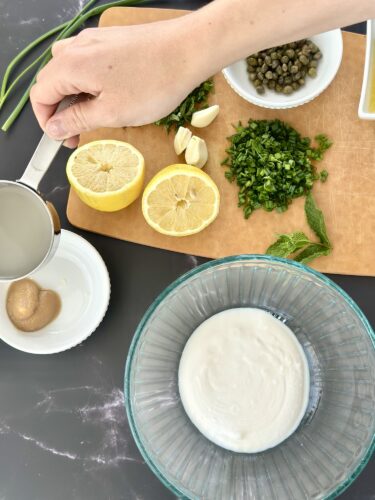
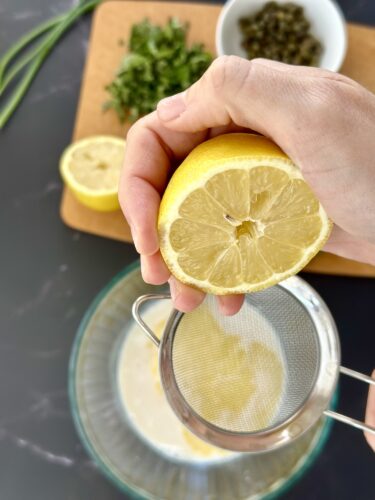
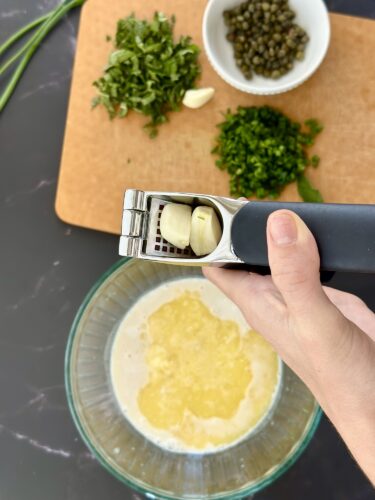
In a small separate bowl or cup, add the white miso and pour the warm pasta water over it. Use a fork or small whisk to mix them together until the miso is fully dissolved and there are no lumps. This step matters. Miso does not dissolve easily when added directly to a cold or thick base, and undissolved clumps mean uneven flavor distribution in your finished sauce. Taking 30 extra seconds to do this properly makes a difference.
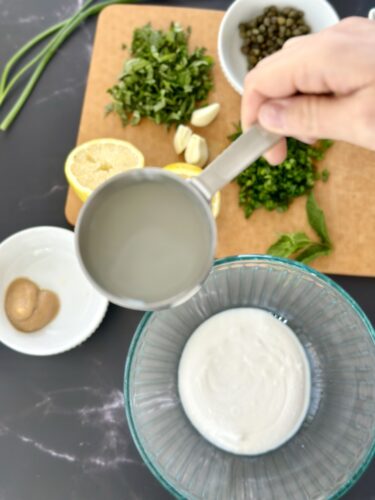
Add the miso and pasta water mixture to the coconut cream base and stir to combine.
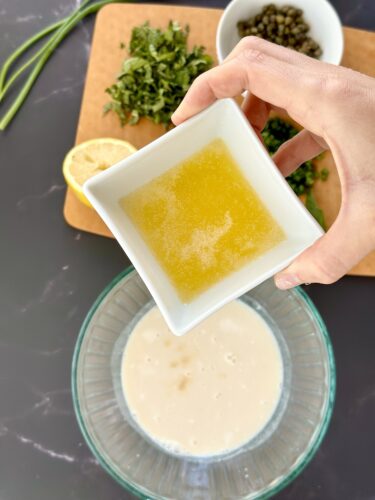
Now add the melted butter. I want to call out the “slightly cooled” instruction here because it is not just a suggestion. If your butter is very hot when it hits the coconut cream and lemon, it can cause the sauce to separate. Let it sit off the heat for a minute or two until it is warm but not steaming, then stir it into the sauce. The result should be glossy, cohesive, and smell absolutely incredible.
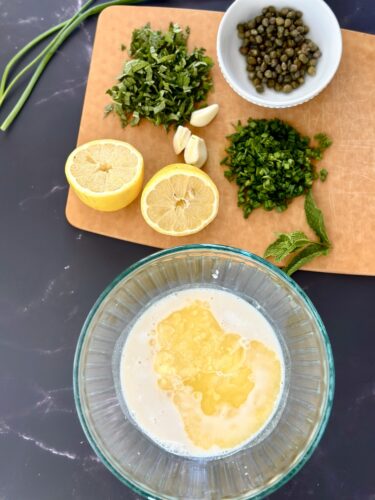
Step 3: Bring It All Together
Add the drained pasta directly to the sauce bowl and toss well to coat every piece. If the sauce feels too thick, add a small splash of additional pasta water and toss again.
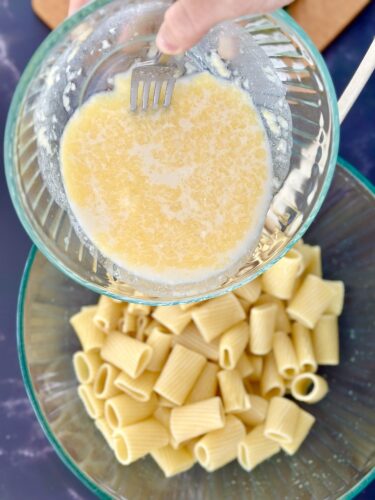
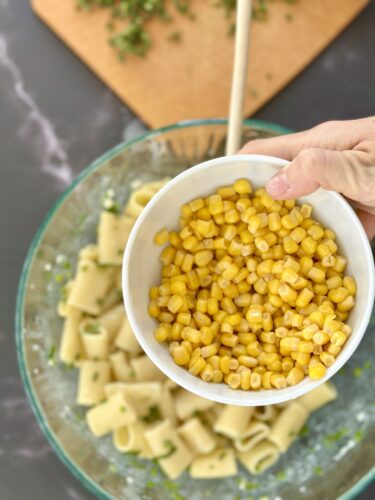
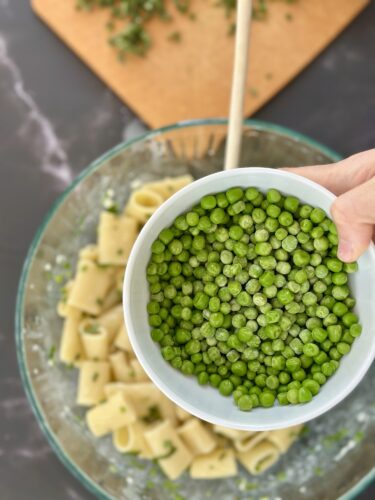
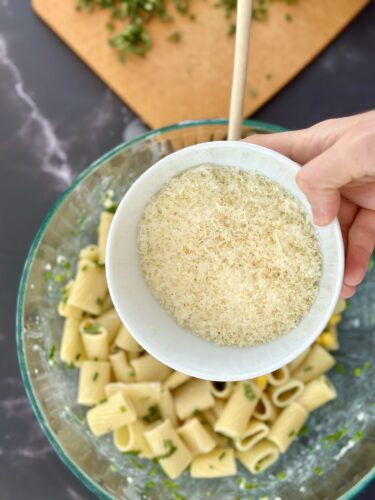
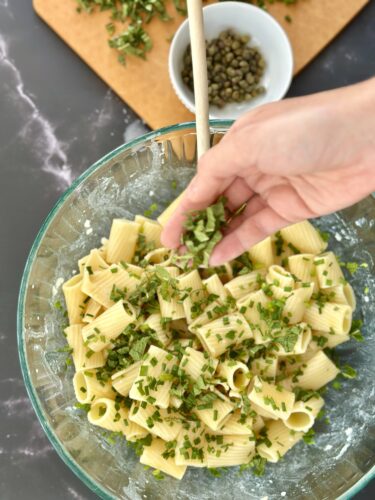
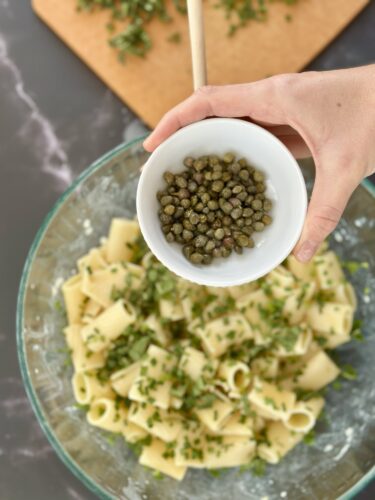
Now stir in the corn, peas, capers, parmesan, chives, and mint. Toss everything together until the mix-ins are distributed evenly and the parmesan has melted into the sauce. Taste it. Does it need more lemon? More salt? A little more parmesan? Adjust to your preference.
Step 4: Serve
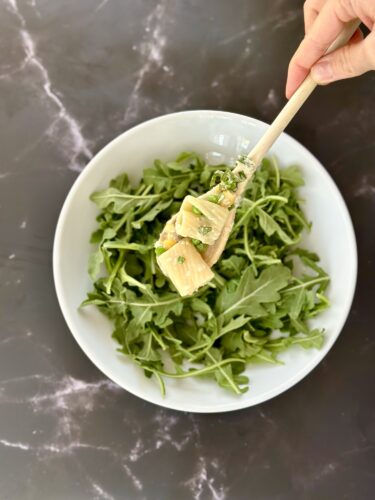
I like to serve this on a generous bed of arugula. The peppery bitterness of arugula is a perfect counterpoint to the creamy, lemony sauce, and as the warm pasta sits on top it wilts the arugula just slightly. It adds freshness and makes the whole bowl feel lighter.
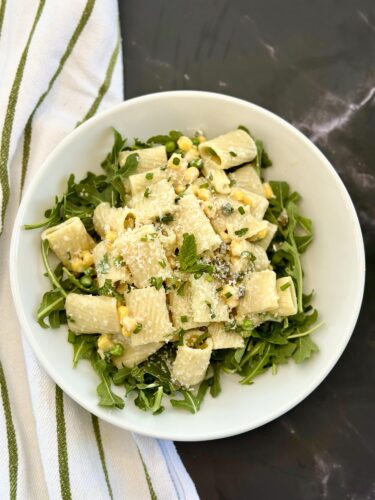
Finish with an extra crack of black pepper and more parmesan if you are feeling generous, which I always am.
Warm or Cold: This Pasta Does Both
One of the things I love most about this recipe is how well it works as a cold pasta.
Most cream-based pastas turn into a congealed mess when they cool down. This one does not. The coconut cream base stays looser than a dairy cream sauce, the lemon keeps it bright, and the herbs stay vibrant. When I make a big batch on a Sunday I will eat it warm that night and cold straight from the refrigerator the next day for lunch, and honestly it is just as good both ways.
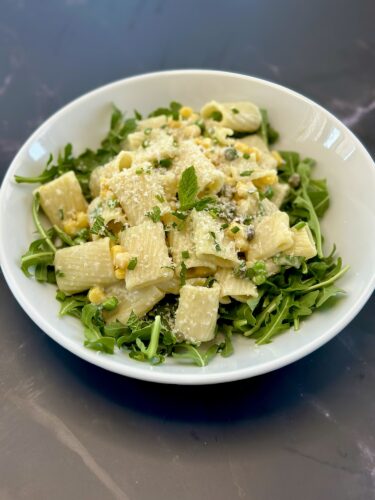
If you are making it specifically to serve cold, a few adjustments help:
- Add a small squeeze of extra lemon before serving. The acidity brightens back up after time in the fridge.
- Toss in a fresh handful of arugula when you serve it rather than letting it sit underneath.
- Give the pasta a good stir before serving cold because the sauce will settle to the bottom of the container.
This also makes it a great dish to bring to a potluck or a summer gathering. Make it a few hours ahead, keep it covered in the refrigerator, and pull it out when you are ready to eat. It travels well and holds up beautifully.
Tips for Getting This Right
A few things I have learned from making this repeatedly:
Use good parmesan. The parmesan in this dish is not a garnish, it is a structural part of the sauce. It melts into the creamy base and adds a salty, nutty depth that ties the whole thing together. Buy a block and grate it yourself. Pre-grated parmesan has anti-caking agents that prevent it from melting smoothly, and you will taste the difference.
Do not overcook the pasta. Al dente is non-negotiable here. Overcooked pasta turns mushy when it gets tossed in the sauce, especially if you are planning to eat leftovers cold the next day.
Do not skip the capers. I know capers are polarizing. Some people love them, some people pick them out of everything. But in this dish they provide a briny, acidic pop that the sauce genuinely needs. They balance the sweetness of the corn and peas and give the whole dish a savory edge. If you are truly opposed to capers, a small amount of finely chopped green olives will do a similar job.
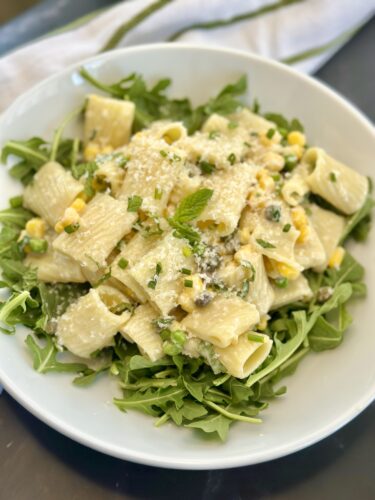
Reserve more pasta water than you think you need. I always pull a full cup even though the recipe only calls for half. Pasta water is free and you cannot add it back once you have drained the pot, so err on the side of too much.
Tear the mint, do not chop it. Chopping mint with a knife bruises it and can make it turn dark and slightly bitter. Tearing it by hand into small pieces keeps it bright and fresh tasting. It takes about ten more seconds and is completely worth it.
Can You Make This Without the Coconut Cream?
Yes, but the dish will change. Heavy cream is the closest substitute and will give you a similar richness and body. The coconut flavor in coconut cream is actually quite subtle in the finished sauce because it is balanced by so many other strong flavors, but heavy cream will make the dish feel a bit more classically Italian and a bit less surprising.
If you want to keep it dairy-free, you could try full-fat cashew cream as an alternative. I have not tested it in this exact recipe but cashew cream behaves similarly to coconut cream in sauces and the neutral flavor would work well here.
I would not recommend using oat milk or almond milk. They are too thin and do not have the fat content needed to build a proper sauce.
What to Serve Alongside
Honestly, this pasta is a full meal on its own, especially served on arugula with parmesan. But if you want to round it out:
- A simple green salad with a sharp vinaigrette is a nice contrast to the creamy pasta
- Good crusty bread for scooping up any sauce left in the bowl
- A glass of something crisp and acidic. A light white wine or a sparkling water with lemon both work well
Storing Leftovers
Store any leftovers in an airtight container in the refrigerator for up to three days. The pasta will absorb more of the sauce as it sits, so it may look drier when you pull it out. A small splash of water or a drizzle of olive oil stirred through before eating will bring it back to life.
I do not recommend freezing this one. The coconut cream sauce does not hold up well to freezing and thawing, and the herbs will lose their freshness entirely.
A Recipe Worth Holding Onto
I have made a lot of pasta recipes over the years. Some of them are straightforward and reliable, weeknight workhorses that I make on autopilot. And then there are the recipes like this one, the ones that make you slow down a little, take a bite, and feel genuinely pleased with yourself.
This Miso Corn and Lemon Pasta is the second kind. It is not complicated. It comes together in about 30 minutes with ingredients that are mostly pantry staples. But it tastes like something you would order at a restaurant and then try to reverse engineer on your own.
Which is, fittingly, exactly how it came to exist in the first place.
I hope it earns a place at your table the way it has at mine. If you make it, I would love to hear what you think. Leave a comment below, save it to Pinterest for later, or tag me if you share it. Nothing makes me happier than seeing this kind of food show up in other people’s kitchens.
With love,
Bri and Cat
Miso Corn and Lemon Pasta with Coconut Cream
Ingredients
- Juice of 1 whole lemon
- 3 cloves garlic minced
- 1/2 cup coconut cream
- 1 tbsp white miso
- 1/2 cup pasta water reserved from cooking
- 3 tbsp butter melted and slightly cooled
- 1/4 cup chives thinly sliced
- 1/4 cup mint finely torn
- 3 cups Paccheri pasta
- 1 cup corn
- 1 cup frozen peas
- 3/4 cup freshly grated parmesan
- 3 tbsp capers
- Arugula for serving
Equipment
- Large pot for boiling pasta
- Large mixing bowl
- Small bowl or cup for dissolving miso
- Colander
- Measuring cups and spoons
- Fork or small whisk
- Box grater (for Parmesan)
Method
- Bring a large pot of well-salted water to a boil. Cook Paccheri according to package instructions until al dente. Before draining, reserve 1/2 cup of pasta water. Drain the pasta and set aside.
- In a large mixing bowl, combine the coconut cream, minced garlic, and lemon juice. Stir until combined.
- In a small separate bowl, combine the white miso and warm pasta water. Mix with a fork or small whisk until the miso is fully dissolved with no lumps. Add to the coconut cream mixture and stir to combine.
- Add the melted, slightly cooled butter to the sauce and stir until the sauce is glossy and cohesive.
- Add the drained pasta to the sauce bowl and toss well to coat.
- Stir in the corn, peas, capers, parmesan, chives, and mint. Toss until evenly combined and the parmesan has melted into the sauce. Taste and adjust seasoning as needed.
- Serve on a generous bed of arugula with extra parmesan and black pepper on top. Serve warm or refrigerate and serve cold.
Notes
- Reserve more pasta water than you need. Pull a full cup from the pot before draining just in case you need to loosen the sauce.
- Let the melted butter cool slightly before adding it to the sauce to prevent separation.
- Dissolve the miso in pasta water separately before adding to the sauce for even flavor throughout.
- Tear the mint by hand rather than chopping it to keep it bright and fresh tasting.
Frozen peas do not need to be thawed before adding. - Do not skip the capers. They provide a briny balance to the sweetness of the corn and peas.
- This pasta is just as good served cold the next day. Add a squeeze of lemon before serving to freshen it back up.
- Stores in an airtight container in the refrigerator for up to 3 days.
Affiliate Disclaimer:
As an Amazon Associate I earn from qualifying purchases. This comes at no additional cost to you. We only recommend products that we believe will add value to our readers.
Leave a Reply