
This site contains affiliate links, view the disclaimer page for more information.
Lemon mint ginger tea cubes are the single best thing I’ve added to my wellness routine in years, and I can’t believe it took me this long to figure them out. I’m not a morning person. Never have been. I’m the person who hits snooze twice, stumbles into the kitchen with one eye open, and needs something warm and soothing in my hands before I can form a complete sentence. For a long time, that meant reaching for whatever herbal tea bag was closest. It worked, but it wasn’t special. And honestly? Most store-bought tea bags taste like dried dust compared to the real thing. Then I started making these lemon mint ginger tea cubes, and everything changed.
Table of Contents
What Are Lemon Mint Ginger Tea Cubes, Exactly?
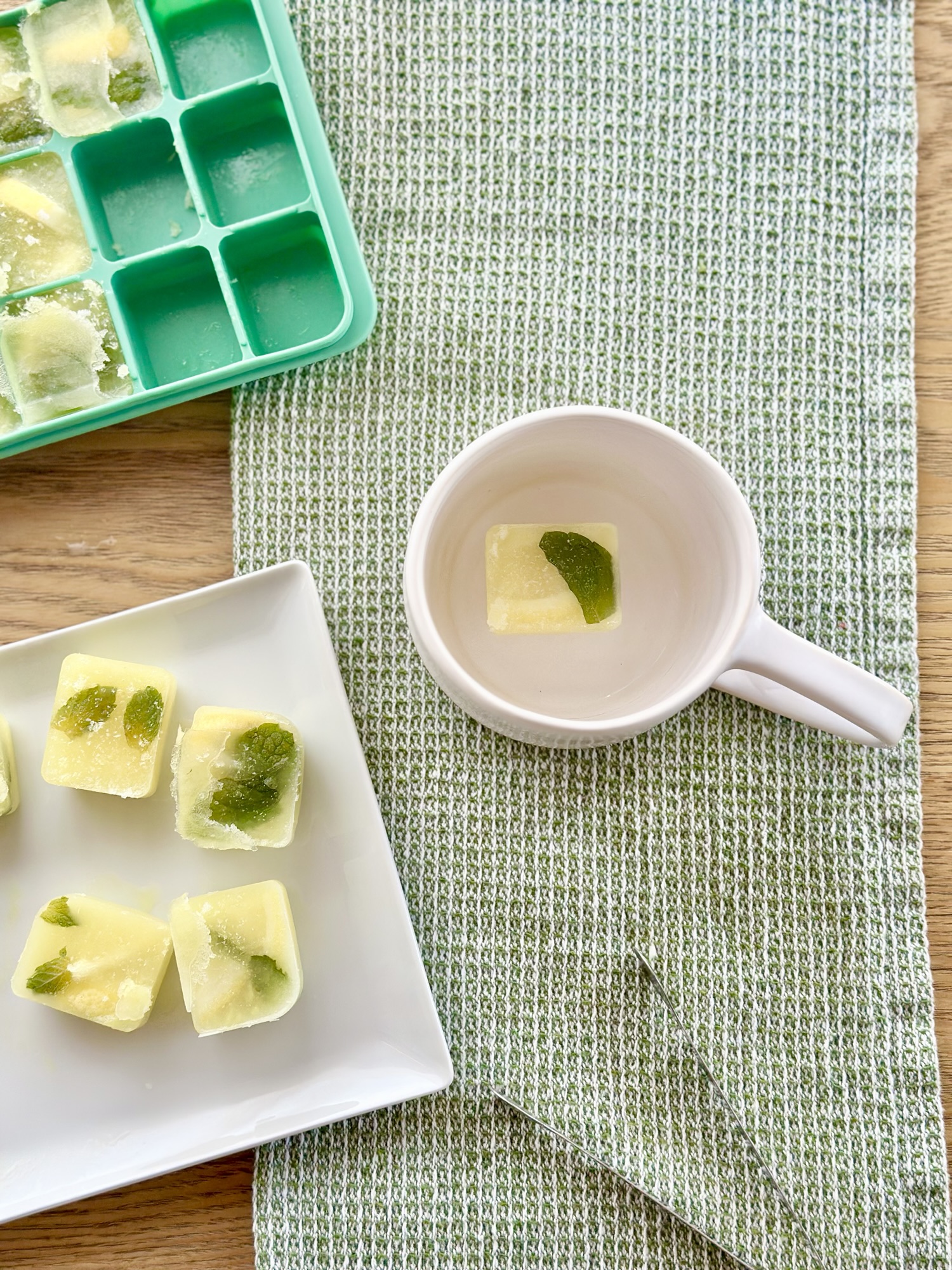
If you’ve never heard of tea cubes before, let me explain, because this concept is genuinely brilliant and I wish someone had told me about it sooner. A tea cube is essentially a frozen concentrate made from fresh ingredients. You blend everything together, strain it, pour the liquid into an ice cube tray with a few fresh garnishes, and freeze it overnight. When you want a cup of tea, you drop one cube into a mug and pour hot water over it. The cube melts, releasing everything, the bright citrus, the cool mint, the spicy warmth of ginger, all at once.
It’s like having a tiny, frozen, handmade tea bag sitting in your freezer, ready to go whenever you are. The difference between a tea cube and a regular cup of herbal tea is like the difference between a freshly squeezed orange juice and a glass of the stuff from concentrate. Both technically get the job done. But one of them makes you close your eyes for a second and actually taste it.
Why This Flavor Combination Is So Good
Let me be honest with you: I didn’t invent this combination out of thin air. Lemon, mint, and ginger have been used together in teas and tonics for centuries, and for good reason. These three ingredients are individually powerful, but together they create something that feels both energizing and calming at the same time, which sounds like a contradiction until you actually drink it.
Here’s why each ingredient earns its place:
Lemon brings brightness and acidity that wakes up your senses. It cuts through the heaviness of early mornings and gives the tea a clean, fresh quality. There’s also a reason lemon has been used in folk remedies forever, the vitamin C content is real, and the warmth of hot water draws out the flavor in a way that cold water just doesn’t.
Mint is cooling and aromatic. Even in a hot drink, mint creates this refreshing sensation that makes the cup feel light rather than heavy. I grow mint in a pot on my kitchen windowsill, and there is truly nothing like walking over, pinching off a few leaves, and dropping them into something you made yourself.
Ginger is the backbone. It adds warmth and a gentle spice that lingers in a satisfying way. Fresh ginger, and I really do mean fresh, not the powder, has a brightness to it that you simply cannot replicate any other way. It’s also one of the most well-researched natural ingredients for digestive support, and on mornings when my stomach feels unsettled, this is the first thing I reach for.
Together, the three create a tea that is layered, interesting, and genuinely delicious. Not just “healthy but tolerable.” Actually delicious.
The Ingredients You’ll Need
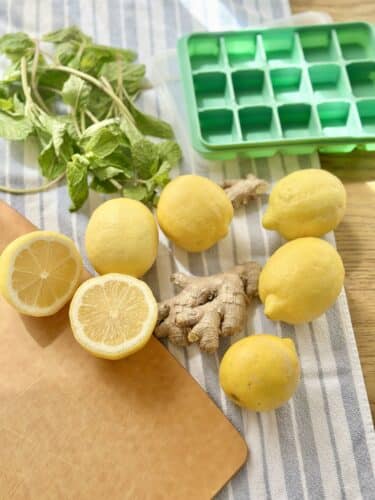
One of the things I love most about this recipe is how short the ingredient list is. No obscure items, no specialty grocery store required. Here’s everything:
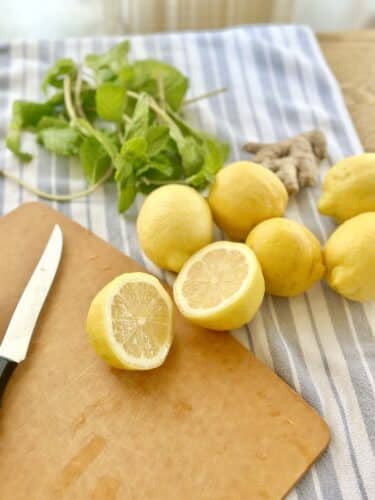
- 6 lemons
- 1 bunch of fresh mint
- 2.5 inches of fresh ginger
- ½ cup of water
- Honey to taste (optional, but highly recommended)
That’s it. Five ingredients, four of which are fresh produce. I usually grab these all in one go during my weekly grocery run, and the whole prep process takes maybe 20 to 25 minutes, most of which is hands-off.
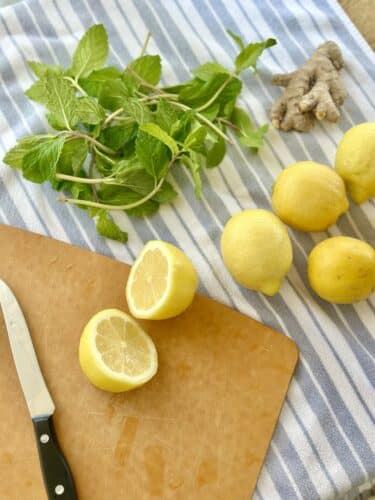
A word on the lemons: use the best ones you can find. I know that sounds fussy, but citrus varies wildly in quality. When you’re building a recipe around lemon as the primary flavor, a bright, juicy lemon is going to give you a noticeably better result than a sad, dry one that’s been sitting in a bag for two weeks. Whenever I can, I buy organic lemons for this recipe specifically because we’re blending in some of the peel, and I’d rather not add pesticide residue to my wellness tea.
How to Make Lemon Mint Ginger Tea Cubes
Let’s walk through this together. I’ll share exactly what I do and why I do it that way, because a few small details make a real difference in the final result.
Step 1: Juice Your Lemons
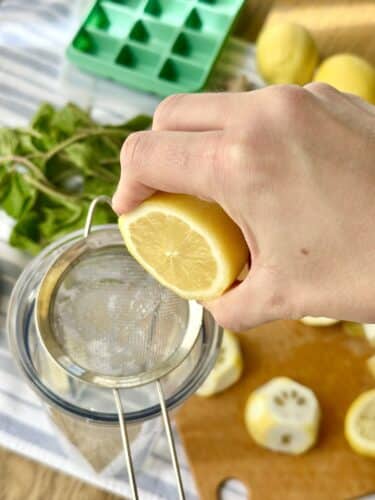
Start by juicing 4.5 lemons directly into your blender. I juice them straight in rather than into a separate bowl because there’s no need to dirty an extra container. A handheld citrus juicer works perfectly here, nothing fancy required.
Why 4.5 and not 5 or 6? Because we’re about to add one whole lemon (with some peel) to the blender, and the peel brings a concentrated bitterness that we want in small doses. The 4.5 juiced lemons create the bright, clean citrus base. The blended lemon adds depth and complexity. And the remaining half lemon gets sliced into rounds to press into each ice cube as a garnish, more on that in a minute.
Step 2: Add the Whole Lemon
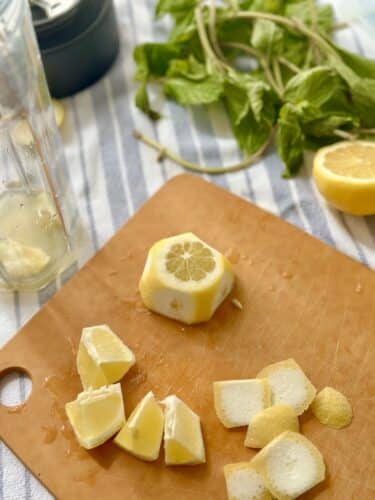
Take one full lemon and slice it up before it goes into the blender. Here’s an important detail that I learned the hard way: remove all the seeds before blending. Every single one. Lemon seeds are intensely bitter, and if even a few end up in your mixture, you’ll taste it in every cup.
Slicing the lemon first makes seed removal much easier than trying to pick seeds out of lemon halves. I cut mine into rounds, pick out the seeds, and drop the slices straight in. I leave some peel on, not all of it, because that would be overpowering, but enough to get those essential oils into the blend. The peel is where so much of the aromatic quality of lemon lives, and it adds a dimension to this tea that juice alone just can’t provide.
Step 3: Add the Ginger and Water
Peel your ginger and add it to the blender along with the half cup of water. Fresh ginger peels easily with the edge of a spoon, you don’t even need a knife or a peeler. Just scrape the skin away and you’re done.
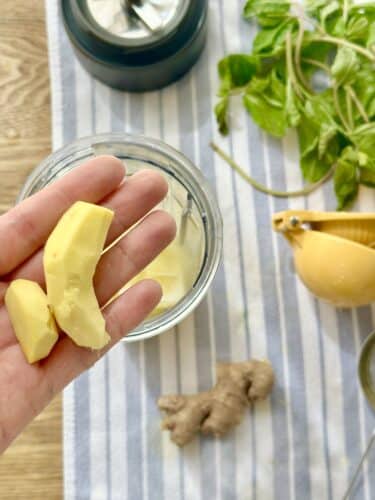
The water is there to help the blender process everything smoothly and to dilute the concentrate just enough. You’re not making juice here, you’re making a concentrated base that will be stretched with hot water when you brew your cup. Don’t add more water than the recipe calls for, or you’ll dilute the flavor too much before it even hits the freezer.
Step 4: Blend on High for One Full Minute
This is not the moment for gentle blending. Crank it up to the highest speed your blender has and let it run for a full minute. You want the ginger completely broken down, the lemon integrated, and the whole mixture as smooth as possible.
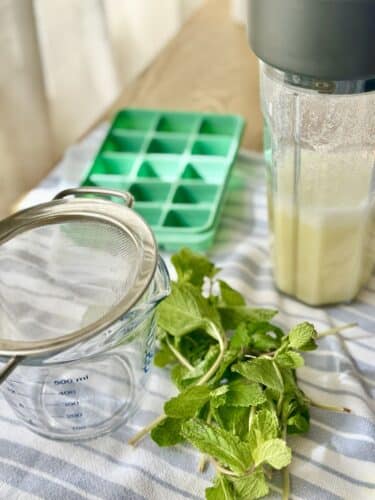
Step 5: Strain the Mixture
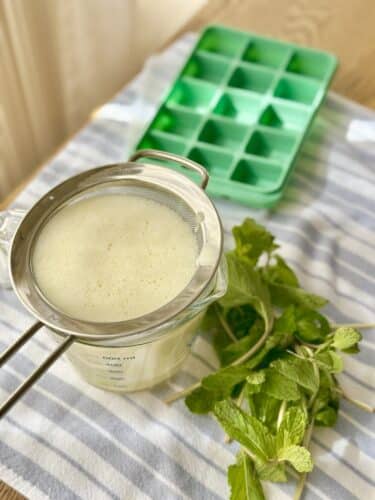
Pour the blended mixture through a fine mesh strainer into a bowl or large measuring cup with a pour spout. Press the pulp gently with the back of a spoon to extract as much liquid as possible.
Don’t skip the straining step. The pulp of the lemon and the fibrous bits of ginger will make your cubes cloudy and slightly gritty if you leave them in. The strained liquid is smooth, clear, and beautiful, exactly what you want.
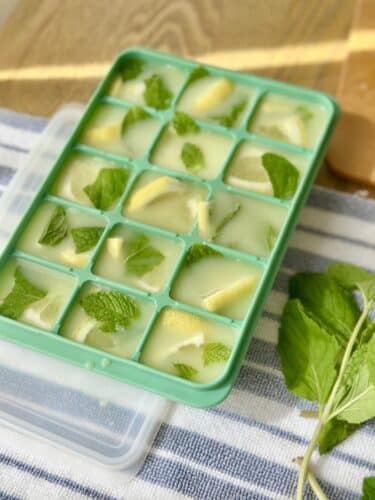
Step 6: Pour Into the Ice Cube Tray
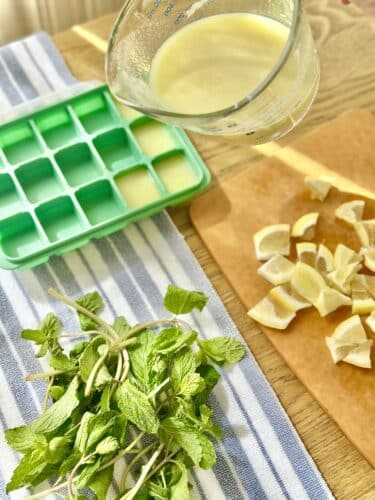
A silicone ice cube tray is your best friend here. I used a plastic tray the first time and spent an embarrassingly long time trying to pop the cubes out without shattering them. A silicone tray flexes, and the cubes slide right out.
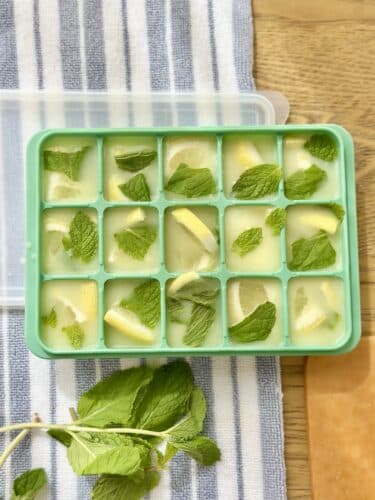
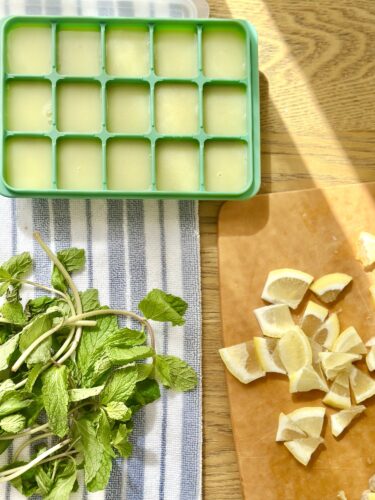
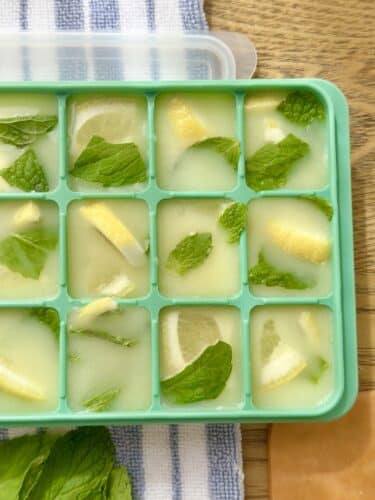
Pour the strained liquid into each cube compartment, filling them about three-quarters of the way up. Leave a little room for the garnishes.
Step 7: Add the Mint and Lemon Garnish
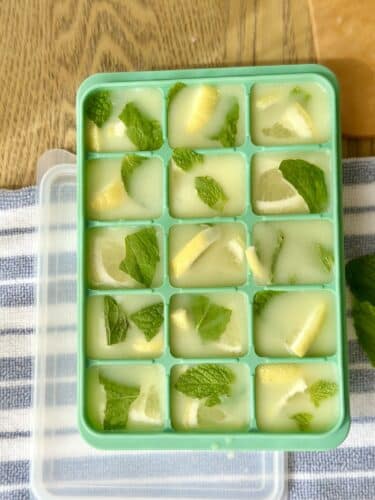
This is my favorite step, and not just because it makes the cubes look beautiful (though it really does). Take 2 to 3 fresh mint leaves and press them into each cube. Then take that reserved half lemon, slice it into thin rounds, cut those rounds into small pieces, and press one piece into each cube.
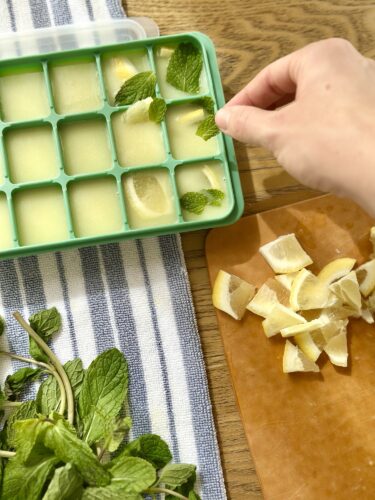
The mint leaves and lemon slices frozen inside the cubes are partly decorative and partly functional. As the cube melts in your mug, the mint blooms and releases its oils into the hot water. The little lemon slice looks charming and adds a final burst of fresh citrus.
When I first made these, I set a few aside to give to my neighbor who is always fighting some kind of cold. She texted me an hour later asking for the recipe. That’s when I knew I had something worth sharing.
Step 8: Freeze Overnight
Place the tray in the freezer and leave it alone for at least 6 to 8 hours. I always make mine the night before. There’s something very satisfying about going to bed knowing that tomorrow morning’s tea is already handled.
How to Brew Your Cup
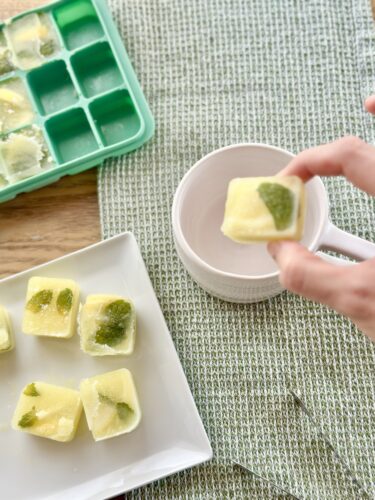
This is the part where it all comes together. Take one cube out of the tray and drop it into your favorite mug. Pour hot water over it, I usually use water that’s just off the boil, around 200°F. Watch the cube melt and the color bloom into the water. Stir gently as it dissolves.
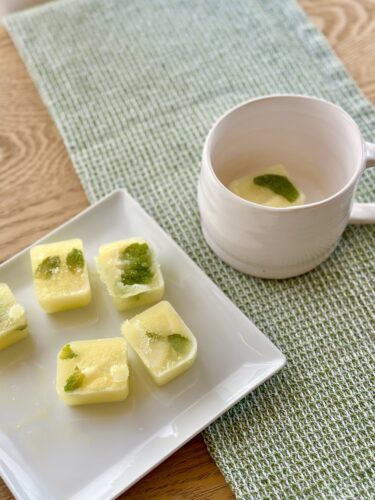
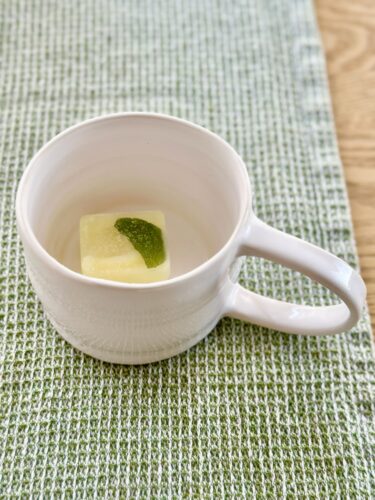
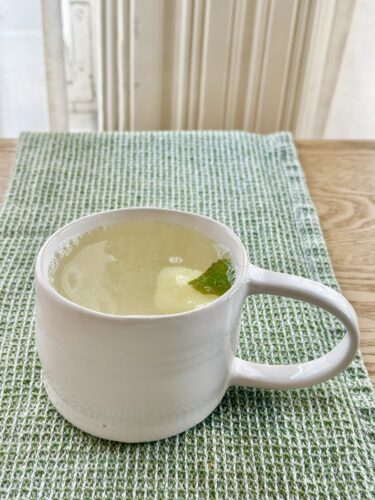
If you like your tea sweet, add honey while the water is still hot so it dissolves easily. I use a light wildflower honey that doesn’t overpower the lemon and ginger, but any honey you love will work. Want a stronger cup? Use two cubes. Want to make it a cold drink? Drop a cube into a glass and pour cold sparkling water over it. I’ve done this on warm afternoons and it’s genuinely refreshing.
How to Store Your Tea Cubes
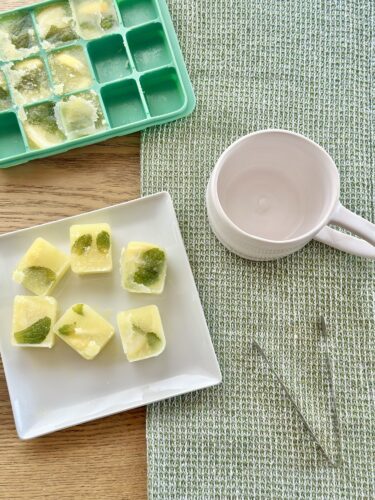
Once the cubes are fully frozen, pop them out of the tray and transfer them to a labeled zip-lock freezer bag. This frees up your tray for the next batch (because you will absolutely be making another batch) and keeps the cubes from absorbing any freezer odors.
Stored properly, these lemon mint ginger tea cubes will keep for up to three months in the freezer, though in my house they never last more than two weeks because everyone keeps reaching for them.
Variations Worth Trying
Once you’ve made the base recipe, it’s easy to experiment. A few of my favorite variations:
- Add turmeric: A half teaspoon of ground turmeric blended in gives the cubes a golden color and an earthy, anti-inflammatory boost. Add a small pinch of black pepper to help your body absorb it.
- Add jalapeño: A small slice of jalapeño in the blender adds a spicy kick that works beautifully with the ginger. This one is bold, start small.
- Swap the mint: Fresh basil works surprisingly well here. So does lemongrass if you can find it. Both give the tea a completely different personality while keeping the same bright, citrusy base.
- Add a squeeze of orange: Replace one of the lemons with an orange for a slightly sweeter, more mellow citrus flavor.
The Health and Wellness Benefits of Lemon, Mint, and Ginger
This tea is not medicine, but there’s a reason these three ingredients have shown up in wellness traditions around the world for centuries, and it’s worth knowing what you’re actually sipping.
- Lemon has been a cornerstone of natural wellness rituals for good reason. It’s a reliable source of vitamin C, which plays a well-known role in supporting immune function, especially during cold and flu season when we need it most. The juice is also thought to support digestion and help the body feel more alkaline and balanced first thing in the morning, which is why warm lemon water has such a devoted following. In this recipe we go a step further and blend in some of the peel, which contains flavonoids and essential oils that may offer additional antioxidant support and give the tea a richness that juice alone simply can’t provide.
- Ginger contains gingerol, an active compound that has been widely studied for its potential anti-inflammatory and antioxidant properties. It’s one of the most consistently supported natural options for easing nausea and digestive discomfort. whether that’s an unsettled stomach in the morning, bloating after a meal, or that general unwell feeling that comes with a cold.
- Mint The natural menthol in fresh mint leaves is widely recognized for supporting respiratory comfort, that gentle, opening sensation you feel when you breathe in the steam is your sinuses responding to it in real time. Mint is also traditionally used to help soothe the digestive tract, making it a natural partner to ginger in a tea like this one. And its bright, cooling aroma has been studied for its potential to support alertness and mental clarity, which makes this cup a genuinely good choice for slow, foggy mornings when you need a little help waking up.
- Honey, if you choose to add it, rounds out the blend beautifully and brings more than just sweetness to the mug. Raw honey has long been valued for its natural antimicrobial properties and is one of the most widely used traditional remedies for soothing sore throats and calming irritating coughs. Choosing a raw or minimally processed variety, local wildflower honey is a wonderful option, means you’re getting more of those naturally occurring enzymes and antioxidants that make honey worth adding in the first place.
Together, these ingredients create a cup that supports your body in small but meaningful ways with every sip. Whether you reach for it when you’re feeling run down, as part of a morning ritual, or simply because it tastes incredible, you’re giving your body something genuinely good.
Lemon Mint Ginger Tea Cubes
Ingredients
- 6 lemons
- 1 bunch fresh mint
- 2.5 inches fresh ginger peeled
- 1/2 cup filtered water
- honey to taste optional
Equipment
- BlenderHandheld
- citrus juicer
- Fine mesh strainer
- Large bowl or measuring cup with pour spout
- Silicone ice cube tray (standard size, 15–16 cube capacity)
- Spoon or spatula for pressing pulp
- Zip-lock freezer bag for storage
- Knife and cutting board
Method
- Juice 4.5 lemons directly into the blender.
- Slice the remaining whole lemon into rounds, remove all seeds, and add to the blender with some peel left on.
- Slice the reserved ½ lemon into thin rounds and set aside for garnish.
- Peel the ginger and add it to the blender along with ½ cup of water.
- Blend on high speed for 1 full minute.
- Strain the mixture through a fine mesh strainer into a bowl or measuring cup, pressing the pulp to extract all liquid.
- Pour strained liquid into a silicone ice cube tray, filling each compartment ¾ full.
- Press 2–3 fresh mint leaves and one small lemon slice into each cube.
- Freeze overnight or for a minimum of 6–8 hours.
- Drop one cube into a mug. Pour hot water over the cube and stir gently as it melts. Add honey to taste. For a stronger cup, use two cubes.
Notes
Enjoy!
I started making lemon mint ginger tea cubes because I wanted something better than a tea bag and easier than brewing fresh tea from scratch every morning. What I ended up with was a ritual. Something small and intentional at the start of my day that reminds me to slow down for five minutes, wrap my hands around a warm mug, and actually taste what I’m drinking.
If you make this recipe, I want to hear about it. Tell me in the comments what variations you tried, whether you added honey, whether you gave them as gifts. And if you’ve been looking for a way to make your mornings feel a little more grounded and a little less rushed, start here. One batch, one night of freezing, and you’ll have ten days of the best cup of tea you’ve ever made yourself.
With love,
Bri & Cat
Affiliate Disclaimer:
As an Amazon Associate I earn from qualifying purchases. This comes at no additional cost to you. We only recommend products that we believe will add value to our readers.
Check out our other tea cube recipe:
Frozen Immunity Cubes: The Make-Ahead Freezer Recipe I Use All Cold & Flu Season
Leave a Reply