

This site contains affiliate links, view the disclaimer page for more information.
As a family of four with two little boys, we have been focused on improving our health and eating habits, making small changes for overall healthier eating and mindfulness of what we are consuming. One major shift has been eliminating processed foods and making more homemade meals and snacks. One of the big changes was, you guessed it, FLOUR!
For years, I bought flour from the grocery store without thinking twice about it. I’d pick up a bag of all-purpose or whole wheat flour, bring it home, and use it for my baking needs. It wasn’t until I started looking into the nutritional differences between freshly milled flour and store-bought flour that I realized I had been missing out on a world of flavor, nutrition, and baking quality.
I initially started with the KitchenAid milling attachment, thinking it would be a great way to test milling my own flour. However, I quickly realized that it did not mill the flour fine enough, resulting in dense bread with little to no rise. After more research, I found the Nutrimill Classic Grain Mill, which was a game-changer. It mills flour to a much finer consistency, allowing me to bake light, airy loaves while still enjoying the benefits of whole wheat.
Since making the switch, I’ve been milling my own flour using hard white, hard red, and soft white wheat berries, creating everything from hearty homemade bread to delicate pastries with fresh, flavorful flour.
Why I Started Milling My Own Flour

The journey to home-milled flour started with my passion for homemade foods. I love cooking from scratch, whether it’s fresh bread, pizza dough, english muffins, or banana muffins for my family. But beyond the satisfaction of homemade baking, I wanted to ensure we were eating the freshest, most nutrient-dense ingredients possible.
Here’s why I made the switch:
- Nutritional Superiority: Store-bought flour is often stripped of its natural nutrients during processing, and even “whole wheat” flour loses much of its vitality due to oxidation. Freshly milled flour retains the bran, germ, and endosperm, meaning more fiber, vitamins, and essential oils.
- Superior Taste and Texture: Freshly ground flour has a nutty, rich flavor that enhances any baked good. The texture is also noticeably better, giving homemade bread a heartier, more wholesome feel.
- Control Over Ingredients: Milling my own flour ensures I know exactly what’s in it-no preservatives, no bleaching, no additives. Just pure, natural whole wheat.
- Cost-Effective in the Long Run: Buying wheat berries in bulk is more economical than constantly purchasing high-quality specialty flour. Over time, the savings add up.
The Wheat Berries I Use and What They’re Best For
Not all wheat berries are the same. Different varieties have unique characteristics that make them suited for specific recipes. While I’ll focus on wheat berries in this post, it’s worth mentioning that there are a wide variety of grains and nuts you can mill for different purposes. From barley and spelt to oats and rye, each has its own flavor profile and texture, perfect for all kinds of baking and cooking. And it doesn’t stop there- nuts like almonds, hazelnuts, and even seeds like quinoa can be milled into flour for added variety. I’ll dive deeper into these options in future blogs, but for now, let’s start with wheat berries and how I use them in my baking.

1. Hard White Wheat Berries
- Best for: Sandwich bread, dinner rolls, pizza crust, tortillas, and pancakes
- Hard white wheat has a mild, slightly sweet flavor and a lighter color than hard red wheat. It’s my go-to for soft, fluffy bread while still providing whole grain benefits. It works well in recipes where I want a light wheat taste without being overpowering.
- I use Grand Teton for their hard white wheat berries and you can order them here on AMAZON! They are US grown and 100% organic!
2. Hard Red Wheat Berries
- Best for: Artisan bread, rustic loaves, bagels, pretzels, and hearty baked goods
- Hard red wheat is darker in color and has a robust, nutty flavor. It produces denser, more textured bread with a deeper wheat taste. If you love traditional whole wheat bread, this is the variety to use. I often mix it with hard white wheat to balance flavor and texture.
- I use Great River Organic Milling for their hard red wheat berries and you can order them here on AMAZON! I love that they are local- from Wisconsin, and 100% organic!
3. Soft White Wheat Berries
- Best for: Pastries, cakes, muffins, cookies, biscuits, and pie crusts
- Soft white wheat is lower in protein and gluten, making it ideal for tender, delicate baked goods. If I’m making a cake or scones, I’ll use this variety because it creates a finer, more refined texture without compromising on whole grain nutrition.
- I use Great River Organic Milling for their soft white wheat berries and you can order them here on AMAZON! Again, I love supporting local and using organic!

How I Use My Nutrimill Classic Grain Mill

When I first started milling, I wasn’t sure how much work it would be. I quickly realized that using the Nutrimill Classic Grain Mill is incredibly easy. Here’s how my typical process looks:
- Measure the wheat berries – I determine how much flour I need for my recipe and measure out the corresponding amount of wheat berries.
- Set up the mill – The Nutrimill Classic has an adjustable fineness setting, so I choose between fine, medium, or coarse flour depending on what I’m making.
- Mill the flour – I turn on the mill, pour in the wheat berries, and within minutes, I have fresh, warm flour ready to use.
- Use immediately or store – Freshly milled flour is best used immediately, but I also store some in an airtight container for up to a few days to maintain freshness.
Recipes That Shine with Freshly Milled Flour
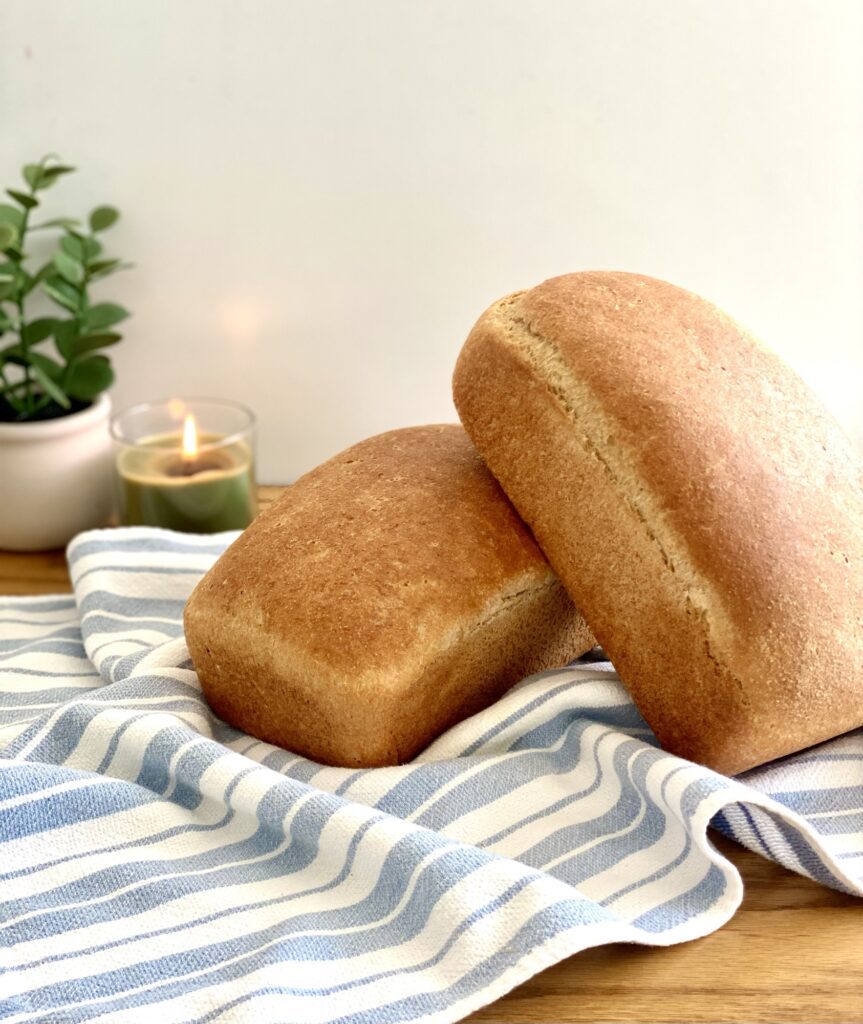
Switching to freshly milled flour has elevated my home baking. Here are some of my favorite recipes and how different wheat varieties impact the final product:
- Whole Wheat Sandwich Bread (Mixture of Hard Red and Hard White Wheat Berries) – Soft, fluffy, and kid-friendly with a light, nutty flavor.
- Grandma’s Homemade Sandwich Bread (Hard White Wheat Berries) – Soft, fluffy, light and mild, with a bit sweetness.
- Rustic Sourdough (Hard Red Wheat Berries) – Deep, complex taste with a chewy crust and hearty crumb.
- Homemade Pasta (Hard White Wheat + Soft White Wheat Blend) – Perfect balance of structure and tenderness.
- Focaccia– (Soft White Weat)– Crispy outer crust with soft pillowy inside crumb
- English Muffins (Soft White Wheat) – Fluffy, light, and melt-in-your-mouth delicious.
- Chocolate Chip Cookies (Soft White Wheat) – Slightly nutty but soft and chewy, a step above traditional white flour cookies.
Milling my own flour has been one of the best decisions I’ve made for my family’s health and my love of baking. The difference in taste, texture, and nutrition is undeniable, and I love having complete control over the ingredients I use. With my Nutrimill Classic Grain Mill and a variety of wheat berries, I can create an endless array of homemade baked goods that are wholesome, flavorful, and truly fresh.

If you’re considering making the switch to home-milled flour, I highly recommend giving it a try. The process is simpler than it seems, and the benefits far outweigh the effort. Whether you love baking bread, experimenting with new recipes, or simply want to nourish your family with the best ingredients possible, milling your own flour is a rewarding and transformative experience.
Are you already milling your own flour? What are your favorite wheat varieties to use? Let’s chat in the comments below!
Happy Baking!
With Love,
Bri & Cat
Affiliate Disclaimer:
As an Amazon Associate I earn from qualifying purchases. This comes at no additional cost to you. We only recommend products that we believe will add value to our readers.
Leave a Reply