

This site contains affiliate links, view the disclaimer page for more information.
Milling my own flour has been one of the most worthwhile healthy food journeys I’ve been on. It all began with a simple desire: to make healthier bread for my family. Store-bought flour, even the “whole wheat” kind, often undergoes processing that strips away vital nutrients. By milling my own flour, I discovered a world of flavor, nutrition, and mindfulness that transformed our kitchen.

The Spark That Ignited the Journey
A few years ago, I stumbled upon an article discussing the benefits of freshly milled flour. It mentioned that commercial flours lose a significant portion of their nutrients shortly after milling. Specifically, wheat flour can lose up to 40% of its vitamin content within the first 24 hours after milling and up to 85-90% after a few more days . This revelation was eye-opening.
I thought, “If I could retain more nutrients by milling flour at home, why not give it a try?” So, I invested in a small grain mill and began experimenting.

The Immediate Benefits I Noticed
1. Enhanced Flavor
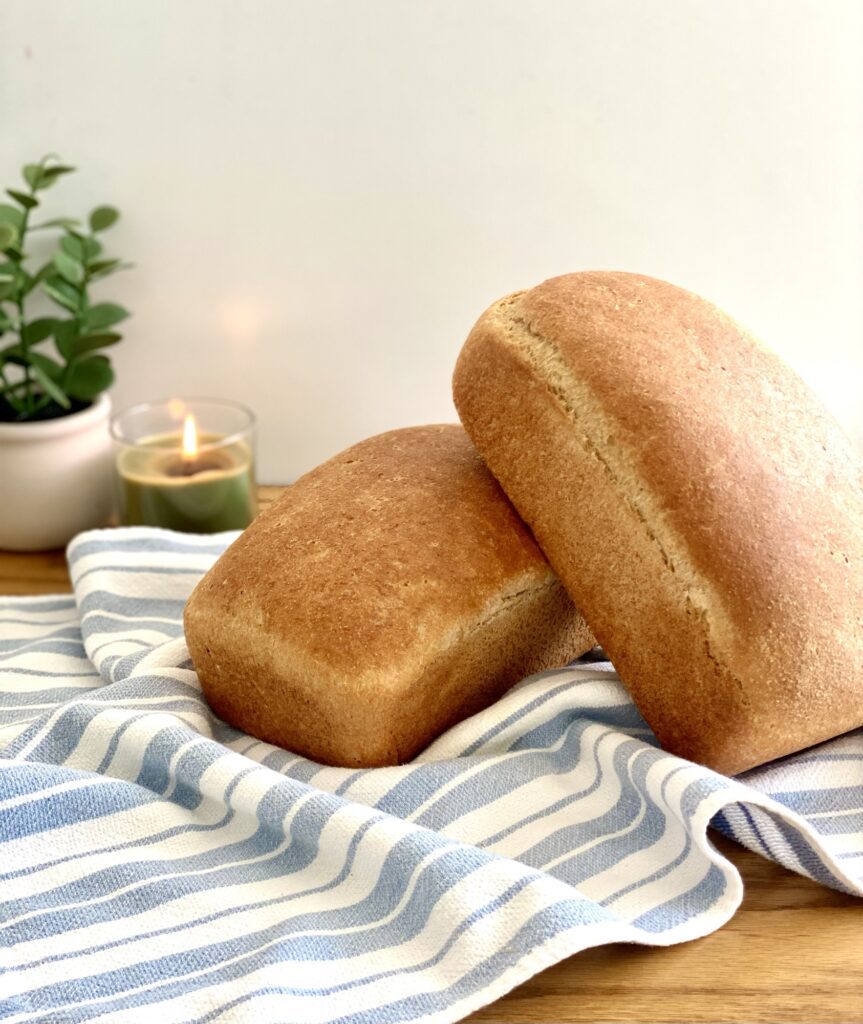
The first loaf of bread I baked with freshly milled flour was a revelation. The aroma was richer, and the taste had a depth I hadn’t experienced before. Freshly milled flour retains the bran and germ, which contribute to its nutty and robust flavor .
2. Improved Nutrition
By milling whole grains, I ensured that all parts of the grain, the bran, germ, and endosperm, were present in the flour. This means higher fiber content, essential fatty acids, and a range of vitamins and minerals that are often lost in commercial milling processes .
3. Satiety and Digestive Health
With the increased fiber and nutrient content, I found that my family felt fuller for longer after meals. Additionally, the natural enzymes present in freshly milled flour seemed to aid digestion, making meals more satisfying and comfortable.

The Milling Process: Simple and Rewarding
You might be wondering, “Isn’t milling flour at home complicated?” Surprisingly, it’s quite straightforward.

Choosing the Right Equipment
I started with a basic electric grain mill. There are various options available, from manual mills to high-powered electric ones. The key is to choose one that fits your needs and budget. I love the NutriMill Classic High Speed Electric Grain Mill. It is very efficient, makes fine flour for bread making, and is middle of the road price range. I started with the KitchenAid Grain Mill attachment (keep reading) and it did NOT mill the flour fine enough for breads and pastries; my dough did not rise well and left my breads dense. I would not recommend this attachment for flour, but it does work well for milling nuts and oily seeds.
Selecting Grains
I began with hard red wheat berries, hard white wheat berries, and soft white wheat berries which are versatile and readily available. Over time, I experimented with spelt, rye, and einkorn, each bringing its unique flavor and nutritional profile to the table.

The Milling Routine
Milling flour became a part of my weekly routine. I’d measure out the grains, feed them into the mill, and within minutes, have fresh flour ready for baking. The process is not only efficient but also deeply satisfying.
Applications Beyond Bread
While bread was my initial focus, I soon realized the versatility of freshly milled flour.
- Pancakes and Waffles: The flavor of whole grains added a delightful twist to our weekend breakfasts.
- Cookies and Muffins: Baked goods had a richer taste and more satisfying texture. I love making these blueberry english muffins with fresh milled flour.
- Pasta: Homemade pasta with freshly milled flour had a depth of flavor that store-bought versions couldn’t match.
Common Questions and Concerns I Had
Storage and Shelf Life
Freshly milled flour doesn’t have the extended shelf life of commercial flours. However, by milling only what I needed for the week and storing it in airtight containers in a cool place, I maintained its freshness and nutritional value. Whole berries can be stored for 25+ years if kept in airtight containers in a cool place.
Baking Adjustments
Baking with freshly milled flour required some adjustments. The flour’s absorption rate can differ, so I learned to tweak hydration levels in recipes. Freshly milled flour is more water absorbent so I usually decrease the amount of flour by a little bit. Over time, these adjustments became second nature.

The Mindful Connection
Milling flour at home became more than just a culinary practice; it evolved into a mindful ritual. The act of selecting grains, milling, and baking fostered a deeper connection to the food I prepared. It reminded me to slow down, appreciate the process, and nourish my family with intention.
Tips to Get Started
If you’re considering milling your own flour, here are some tips to get started:
Start Small: Begin with a basic grain mill and a single type of grain- hard white wheat berries are a pretty versatile option to start with.
Educate Yourself: There are numerous resources and communities dedicated to home milling. Engage with them to learn and share experiences. Check out our post on the: The 5 Best Grain Millers and Tips to Start Milling Your Own Flour at Home
Experiment: Don’t be afraid to try different grains and recipes. Each brings its unique flavor and benefits.
Be Patient: There’s a learning curve, but the rewards, both in taste and health, are well worth the effort. It took me about 6 different batches of bread before I perfected the perfect loaf, and now it is a family staple I make weekly with the boys help! Click here for my Grandma’s Homemade Sandwich Bread Recipe!
Milling my own flour has transformed my approach to cooking and eating. It’s a practice that aligns with my values of simple, healthy, and mindful living. The journey from grain to goodness is one of discovery, nourishment, and connection.

If you’re seeking a way to enhance your culinary experiences and well-being, consider embracing the art of home milling. It’s a step towards a more intentional and flavorful life.
Happy Baking!
With love,
Bri & Cat
Related Posts You Might Like:
Easy Homesteading Projects That Will Keep Your Kids Happy and Learning
Why I Mill My Own Flour at Home: A Journey to Healthier, Fresher Baking
Grandma’s Homemade Sandwich Bread: A Fresh Take on a Family Favorite
Note: This blog post is based on personal experiences and insights. For detailed guides and resources on home milling, consider exploring reputable sources and communities dedicated to this practice.
Leave a Reply